Designer Suit Dry Cleaning: What Professionals Do Differently
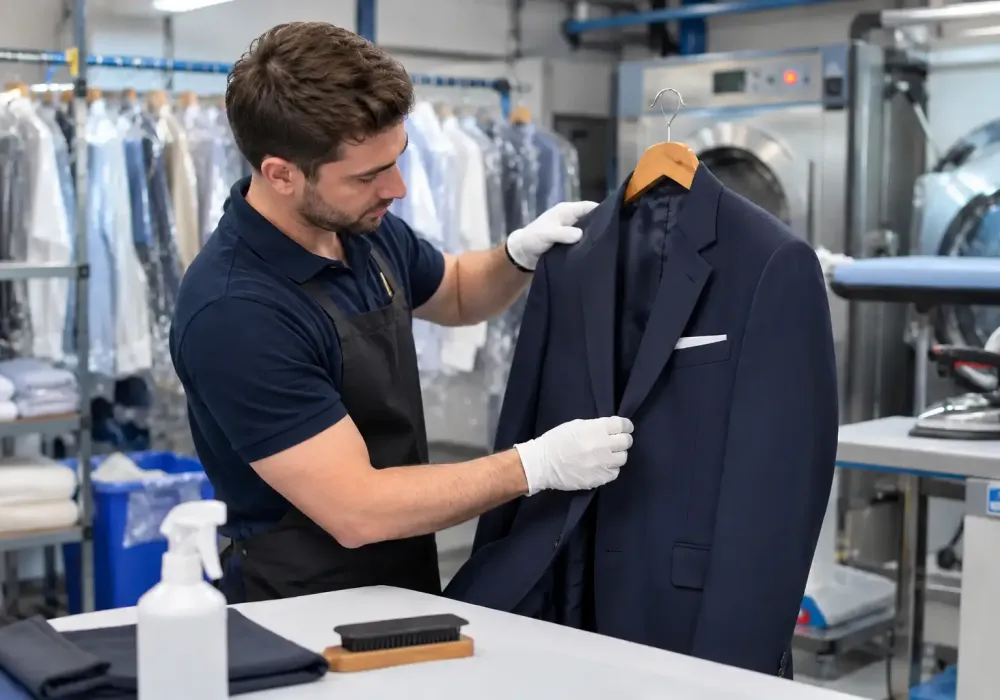
A designer suit is more than an ordinary outfit. It often features fine fabrics, carefully constructed shoulders, quality lining and a precise fit. Designer suit dry cleaning requires careful attention to these details because an unsuitable cleaning method can affect the fabric, shape and overall appearance.
Professional cleaners do more than remove visible dirt. They inspect the garment, identify delicate areas, select a suitable cleaning method and finish the suit with careful pressing and shaping. This approach helps protect the quality of the garment and maintain its original appearance.
If you own an expensive tailored suit, understanding the cleaning process can help you make better garment care decisions. Bandbox Laundry in Manchester provides professional garment care for customers who want to look after their clothing properly.
Why Designer Suits Need More Than Standard Dry Cleaning
Designer suits often use specialist fabrics and internal construction techniques that help create their tailored appearance. Treating them like everyday clothing can put unnecessary stress on these features.
Here is why luxury suits need more attention during cleaning.
Fine Wool, Silk Blends, and Luxury Fabrics
Many designer suits use fine wool, silk blends and other premium materials. These fabrics can feel comfortable and look elegant, but they may need specific cleaning and finishing techniques.
For example:
- Fine wool: Can react to unsuitable heat, moisture and mechanical action, potentially causing shrinkage or changes in texture.
- Silk blends: May be sensitive to moisture, friction and certain cleaning products.
- Luxury fabric blends: Different fibres within the same garment may respond differently to cleaning.
- Delicate finishes: Some fabrics have special textures or surface treatments that need careful handling.
This is why a professional should check the garment before choosing a cleaning process. The correct method depends on the fabric composition and the manufacturer's instructions.
Canvas, Lining, and Shoulder Structure
The appearance of a designer suit depends on its internal construction as much as its outer fabric.
Many tailored jackets contain canvas, padding and lining that help the garment sit correctly on the body. These components give the jacket its shape and support.
Incorrect cleaning or excessive heat can affect these elements, leading to problems such as:
- Shoulders that appear uneven or distorted.
- Lapels that no longer sit neatly.
- A lining that feels twisted or uncomfortable.
- Changes to the jacket's overall fit.
- Creases that affect the garment's tailored appearance.
Professional luxury garment care considers the complete construction of the suit rather than focusing only on the outer material.
Why One Wrong Clean Can Change the Fit
A designer suit is usually tailored to create a particular silhouette. Even a small change in its structure can affect how it looks and feels.
An unsuitable cleaning process may cause shrinkage, fabric distortion or damage to internal components. The trousers may also lose their original shape or develop unwanted creases.
For this reason, professional cleaning should always follow the garment's care requirements. A suitable process helps reduce unnecessary stress on the material and construction.
What Professionals Check Before Designer Suit Dry Cleaning

Before cleaning a designer suit, a professional cleaner should inspect its condition and identify any areas that need special attention.
This assessment helps determine the most suitable treatment and reduces the risk of avoidable damage.
Reading the Garment Care Label
The garment care label provides important instructions from the manufacturer. It indicates which cleaning methods are suitable and which treatments to avoid.
A professional cleaner checks the label for:
- Dry cleaning instructions and any restrictions.
- Fabric composition and fibre blends.
- Washing and temperature limitations.
- Special care requirements for delicate materials.
- Restrictions on tumble drying, bleaching or ironing.
For example, a suit labelled dry clean only should not be treated as an ordinary machine-washable garment.
If the label is missing or unclear, the cleaner may need to assess the fabric and construction before recommending a suitable method.
Inspecting Stains, Seams, and Weak Spots
Visible stains are not the only things professionals look for. They also examine areas that may be vulnerable during cleaning.
The inspection may include:
- Food, drink and oil stains.
- Sweat marks around the collar and underarms.
- Loose stitching and weakened seams.
- Worn areas around the elbows and cuffs.
- Fabric thinning or existing damage.
- Colour changes and previous stain treatments.
This step is particularly important for stain and odour removal. Different stains require different treatments, and using an unsuitable product may affect delicate fabric.
Tell your cleaner about any previous attempts to remove a stain. This information can help them assess the garment more accurately.
Checking Buttons, Pockets, and Trims
Buttons, pocket details and decorative trims can also need special attention.
A professional cleaner checks whether buttons are loose, pockets contain objects and decorative details require protection.
They may look for:
- Loose or damaged buttons.
- Delicate decorative stitching.
- Metal or branded trims.
- Loose threads around pockets.
- Damage to buttonholes and fastening areas.
Checking these details before cleaning helps prevent small existing problems from becoming more noticeable during the process.
How Professionals Clean a Designer Suit Differently
Once the inspection is complete, the cleaner selects a suitable cleaning approach. The aim is to remove dirt and unwanted odours while respecting the fabric and internal construction.
Cleaning Methods Matched to the Fabric
Not every designer suit requires the same cleaning method. Professional dry cleaning may be suitable for some tailored garments, while other materials may require a specialist alternative, depending on the care label.
The cleaner considers:
- The main fabric and fibre composition.
- The canvas and lining structure.
- The garment's existing condition.
- Manufacturer cleaning instructions.
- Any special finishes or decorative details.
Choosing the right method is an important part of protecting the suit's appearance and fit.
Targeted Stain and Odour Treatment
Designer suits can collect stains and odours through regular wear. Food spills, drinks, sweat and smoke can affect the appearance and freshness of the fabric.
Professionals assess each mark before selecting a suitable treatment. This matters because different stains react differently to cleaning products and methods.
Common issues include:
- Food and drink stains: Require treatment suited to the stain and fabric.
- Sweat marks: Often appear around the collar, underarms and jacket lining.
- Oil and grease: May need specialist attention to avoid spreading the mark.
- Smoke and stored-clothing odours: May require a suitable cleaning process to address the source of the smell.
Avoid rubbing stains or applying household products before professional cleaning. These actions can spread the stain or affect the fabric's colour and texture.
Gentle Handling That Protects the Lining
The lining plays an important role in how a designer suit feels and fits. It helps the jacket move comfortably over clothing and supports its overall construction.
Professionals consider the lining during the cleaning process to reduce unnecessary stress on delicate materials and internal stitching.
They also pay attention to areas where the lining meets the outer fabric, including the shoulders, sleeves and side seams.
This careful approach helps maintain the suit's comfort and appearance. However, the result depends on the garment's existing condition and the cleaning method permitted by its care label.
Suit Pressing and Shaping: The Step That Sets Professionals Apart
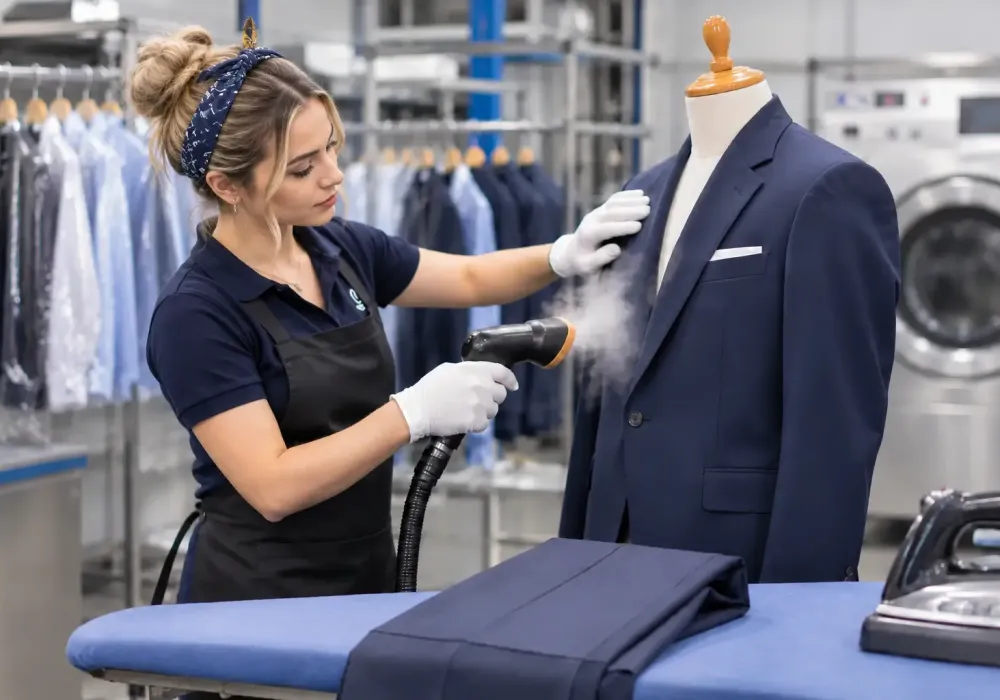
Cleaning removes dirt, but proper finishing gives a designer suit its smart appearance. Suit pressing and shaping help improve the way the jacket and trousers look after cleaning.
A professional cleaner uses suitable equipment and techniques rather than treating every garment with the same flat ironing process.
Steam Pressing Instead of Flat Ironing
Steam pressing can help relax wrinkles and improve the appearance of suitable fabrics. Professionals control the heat, pressure and moisture according to the garment's material.
This is different from pressing a hot domestic iron directly against the fabric, which may leave unwanted marks or flatten delicate textures.
Professional finishing may help:
- Reduce wrinkles across the jacket and trousers.
- Improve the appearance of sleeves and cuffs.
- Refresh suitable wool fabrics.
- Give the garment a neat, presentable finish.
The technique must still match the fabric. Excessive heat or pressure can damage some materials.
Rebuilding Shape in Shoulders, Lapels, and Collar
A designer jacket gets much of its character from its shoulders, lapels and collar. These areas need careful finishing to maintain the intended silhouette.
During shaping, a professional pays attention to:
- Shoulders: Helping them sit evenly and maintain their intended form.
- Lapels: Improving their natural roll and appearance.
- Collar: Keeping it neat and properly positioned.
- Sleeves: Reducing creases while respecting the jacket's construction.
Professional pressing can improve the appearance of these areas, but it cannot necessarily repair damaged padding, distorted canvas or permanent structural changes.
Sharp Trouser Creases That Last
Well-finished trousers complete the appearance of a tailored suit. Creases should look neat and consistent without creating unnecessary shine or pressure marks.
Professionals use suitable pressing techniques to improve the trouser finish and maintain the intended crease.
They also consider the fabric composition, existing creases and garment construction before applying heat.
How Often Should You Dry Clean a Designer Suit?
There is no fixed cleaning schedule for every designer suit. The right frequency depends on how often you wear it, the fabric, your activities and the amount of dirt or odour it collects.
As a general guide:
- After several wears: Consider cleaning when the suit needs freshening, rather than after every use.
- After stains, sweat or smoke exposure: Arrange an assessment sooner if marks or odours remain.
- Before seasonal storage: Clean the suit when needed before putting it away for an extended period.
- Between professional cleans: Brush away surface dust and allow the suit to air before returning it to the wardrobe.
The key is to clean when needed. Over-cleaning can put unnecessary wear on fabrics and finishes, while leaving stains untreated for too long can make them harder to remove.
Mistakes That Shorten the Life of a Designer Suit
Even an expensive suit can lose its appearance if you do not care for it properly. A few simple habits can help protect its fabric and construction.
Cleaning Too Often or Too Rarely
Cleaning a suit after every wear is usually unnecessary unless it has become soiled or developed noticeable odours.
On the other hand, storing a stained or sweaty suit for months can make garment care more difficult.
Allow the suit to air after wearing it and arrange professional cleaning when it needs attention.
Treating Stains at Home First
Rubbing a stain with water, applying household detergent or using strong stain removers can affect delicate fabrics.
Instead:
- Blot fresh spills gently with a clean cloth.
- Avoid aggressive rubbing.
- Do not apply bleach or untested cleaning products.
- Tell your cleaner what caused the stain, if known.
Professional assessment is particularly useful for expensive suits because the wrong treatment may leave permanent marks.
Storing on a Thin Hanger or in a Plastic Cover
Storage also affects the condition of a designer suit. Thin wire hangers may not support the shoulders properly, while long-term storage in a plastic cover can restrict ventilation.
For better storage:
- Use a wide, shaped suit hanger.
- Allow the suit to air before putting it away.
- Keep it in a clean, dry wardrobe.
- Use a breathable garment cover for longer storage.
- Avoid overcrowding the wardrobe.
These habits help the suit retain its shape between professional cleans.
Why Choose Bandbox Laundry for Designer Suit Dry Cleaning in Manchester?
A designer suit deserves careful attention because its fabric, fit and construction all contribute to its appearance. Choosing a professional garment care provider can help you manage routine cleaning and finishing without relying on unsuitable home methods.
Bandbox Laundry provides professional garment care in Manchester, with services designed to help customers look after different types of clothing.
Careful Handling of Luxury and Tailored Garments
Tailored suits often contain different fabrics, linings and internal components. Their care requirements can vary, so it is important to assess each garment before selecting a cleaning method.
Bandbox Laundry is proud to be Miele's first certified Manchester WetCare professional. Its WetCare system provides an alternative to traditional dry cleaning for suitable garments.
If you have a designer suit, contact the team to discuss its fabric, care label and suitable cleaning options.
Suit Pressing and Finishing
A clean suit also needs a neat finish. Proper pressing helps improve the appearance of jackets and trousers after cleaning.
When arranging suit cleaning and pressing, ask about the finishing options available for your particular garment. The appropriate treatment depends on its fabric and construction.
Laundry Pickup and Delivery in Manchester
Finding time to visit dry cleaners in Manchester can be difficult when you have a busy schedule.
Bandbox Laundry offers free collection and delivery within 48 hours, making it easier to arrange garment care. Same-day service is also available.
If you need designer suit dry cleaning in Manchester, contact the team to check collection availability and discuss your requirements.
Transparent Pricing and Trusted Reviews
Designer suits can vary considerably in fabric, construction and cleaning requirements. Ask for a clear price before booking and check whether any additional treatment may be needed.
You can also read customer reviews to understand other customers' experiences before choosing a luxury garment cleaning service.
Frequently Asked Questions
Can you dry clean a designer suit?
Yes, many designer suits can be professionally dry cleaned. However, the correct method depends on the fabric, lining, construction and garment care label. Some suits may be suitable for specialist wet cleaning instead.
How often should you dry clean a suit?
Clean your suit when it needs attention rather than after every wear. Consider professional cleaning after several wears, or sooner if it develops stains, sweat marks or persistent odours.
Will dry cleaning shrink or damage my suit?
A suitable professional cleaning method helps reduce the risks associated with incorrect home washing. However, no cleaning process can guarantee zero risk. Always choose a cleaner who checks the garment's care label, fabric and construction before treatment.
How long does suit cleaning and pressing take?
The turnaround depends on the fabric, cleaning method, garment condition and finishing requirements. Contact the cleaner before booking to confirm the expected completion time.
Final Thoughts: Protect Your Designer Suit with Expert Care
A designer suit needs more than a standard clean. Its fine fabric, canvas, lining and tailored shape all require suitable cleaning and finishing techniques.
Checking the care label, avoiding home stain treatments and choosing professional suit pressing and shaping can help maintain its appearance for longer.
If you want to protect your tailored clothing, book your designer suit dry cleaning with Bandbox Laundry in Manchester today.
Disclaimer:
The information in this article is provided for general information purposes only. Cleaning results may vary depending on the garment, fabric, stain, and cleaning method used. Always follow the garment's care label and seek professional cleaning for delicate or valuable items. BandBox Laundry accepts no liability for any loss or damage resulting from the use of the information provided.