How Professional Cleaning Helps Expensive Clothes Last Longer
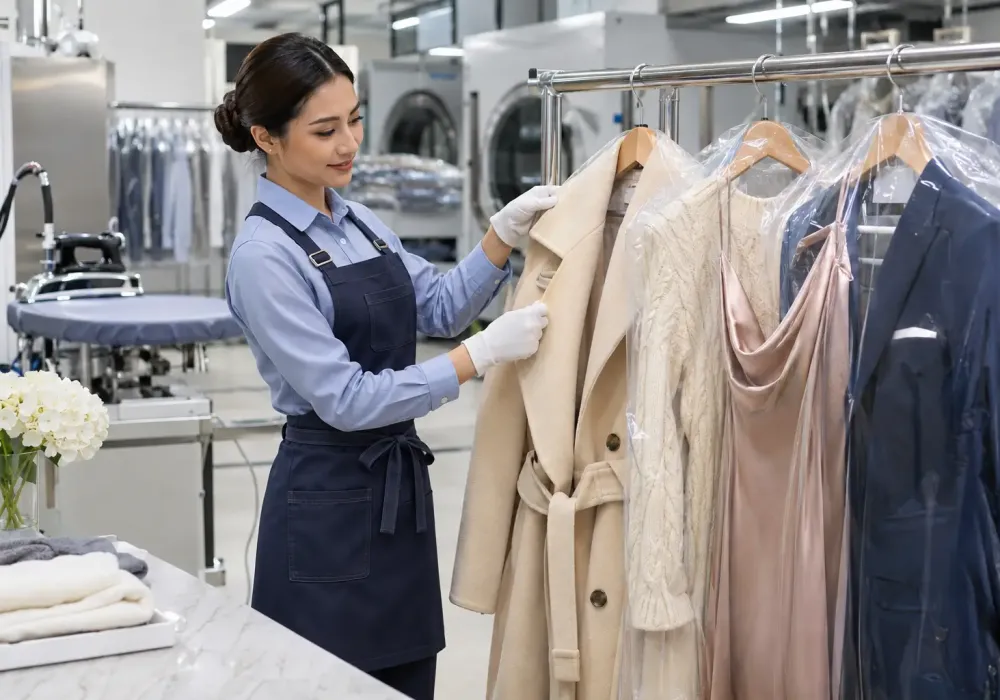
Expensive clothes need more than occasional washing to maintain their quality. Sweat, body oil, dirt and everyday stains can gradually weaken fabric fibres, affect colour and reduce the lifespan of your favourite garments. Professional clothes cleaning helps remove these contaminants using methods suited to different fabrics, helping protect their appearance and condition.
Whether you own tailored suits, cashmere jumpers, silk dresses or designer coats, the right garment care routine can help you avoid unnecessary wear and tear. Bandbox Laundry in Manchester provides professional garment care for customers who want to look after their clothing properly.
How Everyday Wear Slowly Damages Expensive Clothes
Even when expensive clothes look clean, everyday use can leave behind dirt, sweat and invisible residues. Over time, these can affect the fabric, especially when you wear garments repeatedly without giving them suitable care.
Sweat, Body Oil, and Hidden Stains
Your body transfers sweat, natural oils and other residues onto clothing throughout the day. These deposits often collect around collars, cuffs, underarms and waistbands.
If you leave them untreated, they can cause:
- Yellowing around shirt collars and underarms.
- Unpleasant odours in jackets and coats.
- Marks on delicate fabrics.
- Stubborn stains that become harder to remove.
Expensive garments often use delicate fibres, special finishes or detailed construction. Treating stains incorrectly can cause more damage than the original mark.
For better garment care and longevity, deal with stains promptly and avoid rubbing delicate fabrics aggressively.
Dirt That Wears Down Fabric Fibres
Dust, grit and everyday dirt can settle between fabric fibres. When you wear a garment, movement and friction can cause these particles to rub against the material.
Over time, this can contribute to fabric wear, dullness and a rough appearance. Areas such as elbows, cuffs, collars and trouser hems often experience more friction than other parts of a garment.
Regular, suitable cleaning helps remove accumulated dirt before it contributes to further wear.
This is particularly important for designer and luxury clothing care, where preserving the original texture, colour and finish matters.
Moths and Mould in Dirty Stored Clothes
Storing clothes without cleaning them first can create problems, especially when you put seasonal garments away for several months.
Moths are attracted to natural materials such as wool and cashmere. They can also be attracted to clothing contaminated with food, sweat and other organic residues.
Damp storage conditions can encourage mould growth, which may leave unpleasant smells and stains on garments.
Before storing expensive clothing:
- Clean garments according to their care labels.
- Make sure they are completely dry.
- Store them in a cool, dry and well-ventilated space.
- Use suitable garment covers.
- Check stored clothing occasionally for signs of pests or moisture.
These simple steps can help protect valuable garments between seasons.
Why Home Washing Can Shorten the Life of Designer Clothes
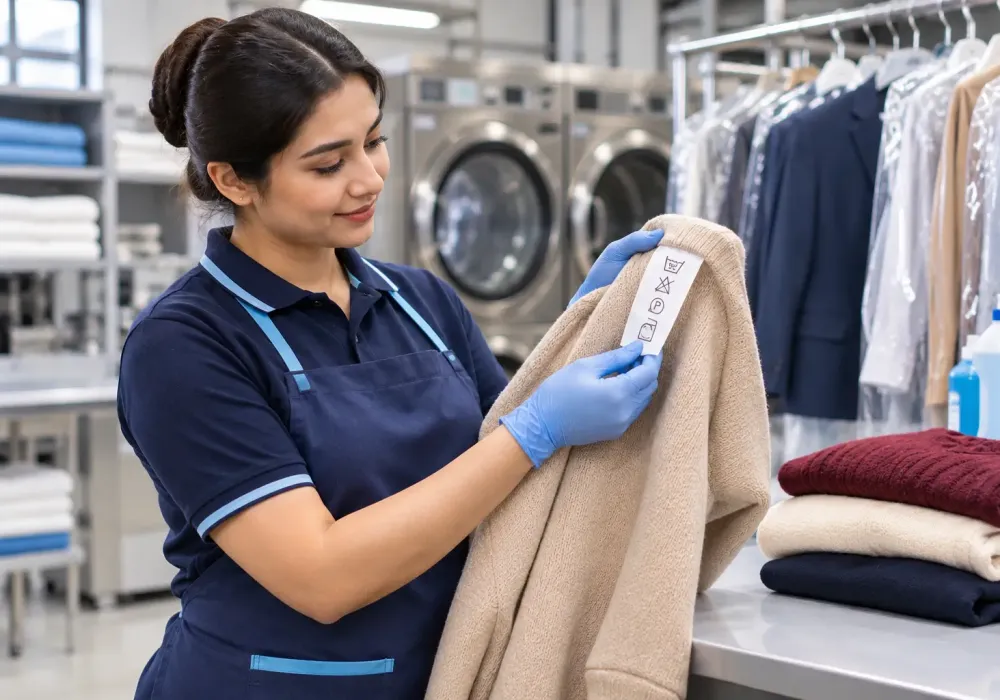
Home washing works well for many everyday garments, but it is not always suitable for expensive or delicate clothing. Different fabrics react differently to water, heat, detergent and mechanical movement.
Using the wrong method can cause avoidable damage.
Wrong Temperature and Harsh Detergent
High temperatures and unsuitable cleaning products can affect delicate fibres, colours and fabric finishes.
For example, wool and cashmere can shrink or lose their shape when exposed to unsuitable washing conditions. Some silk garments may develop water marks or changes in texture.
To reduce the risk:
- Check the garment care label before washing.
- Use cleaning products designed for the fabric.
- Avoid harsh stain removers on delicate materials.
- Do not assume that a cold wash is suitable for every garment.
- Follow the manufacturer's drying instructions.
The right approach depends on the garment's material and construction.
Shrinking, Fading, and Stretching
Incorrect washing and drying can change the fit and appearance of expensive clothes.
Common problems include:
- Shrinking: Heat and unsuitable washing conditions can cause some natural fibres to shrink.
- Fading: Harsh detergents, excessive heat and repeated washing can affect colour.
- Stretching: Heavy garments may lose their shape if you hang them while wet.
- Texture changes: Delicate fibres can become rough, distorted or lose their original finish.
These problems can be difficult or impossible to reverse. Taking care before washing is better than trying to repair damaged clothing later.
Misreading the Garment Care Label
The garment care label tells you how the manufacturer recommends cleaning and maintaining an item. Ignoring these instructions can put expensive clothing at unnecessary risk.
Pay attention to symbols for:
- Washing temperature and permitted washing methods.
- Whether professional dry cleaning is allowed.
- Bleaching restrictions.
- Tumble drying.
- Ironing temperature and steam use.
If you are unsure what a symbol means, ask a professional cleaner before treating the garment.
Understanding the care label is an important part of learning how to care for designer clothes and protect them from avoidable damage.
How Professional Clothes Cleaning Protects Fabric
Professional cleaning helps maintain expensive garments by using suitable methods for different materials, stains and garment constructions. Instead of treating every item in the same way, a professional cleaner assesses the garment before choosing an appropriate cleaning process.
Methods Matched to Each Fabric
Different fabrics need different levels of care. Wool, silk, cashmere, suede and leather can react differently to water, heat and cleaning products.
Professional cleaners consider the material, construction and care label before selecting a suitable method.
This helps with:
- Protecting delicate fabric fibres.
- Reducing the risk of shrinkage and colour damage.
- Maintaining the garment's original shape.
- Preserving delicate finishes and details.
- Supporting long-term garment care and longevity.
Choosing the right method is particularly important for designer and luxury clothing care, where replacing a damaged item can be expensive.
Targeted Stain and Odour Treatment
A small stain can become a bigger problem if you use the wrong cleaning product or rub the fabric too hard.
Professional cleaners can assess the type of stain and select an appropriate treatment. This may help with common issues such as:
- Sweat and body oil around collars and underarms.
- Food and drink stains.
- Everyday dirt and marks.
- Unpleasant odours caused by accumulated residues.
Stain and odour removal depends on the fabric, stain type and how long the mark has been present. Some stains may cause permanent damage, so complete removal cannot always be guaranteed.
Careful Pressing and Finishing
Cleaning is only one part of looking after expensive clothing. Suitable pressing and finishing also help garments look presentable after treatment.
Professional finishing can help restore a neat appearance to:
- Suit jackets and trousers.
- Formal shirts and blouses.
- Dresses and occasion wear.
- Coats and other structured garments.
The cleaner should adjust the finishing method to suit the fabric and care instructions. Delicate materials may need lower heat or alternative techniques.
Which Expensive Clothes Benefit Most from Professional Cleaning?
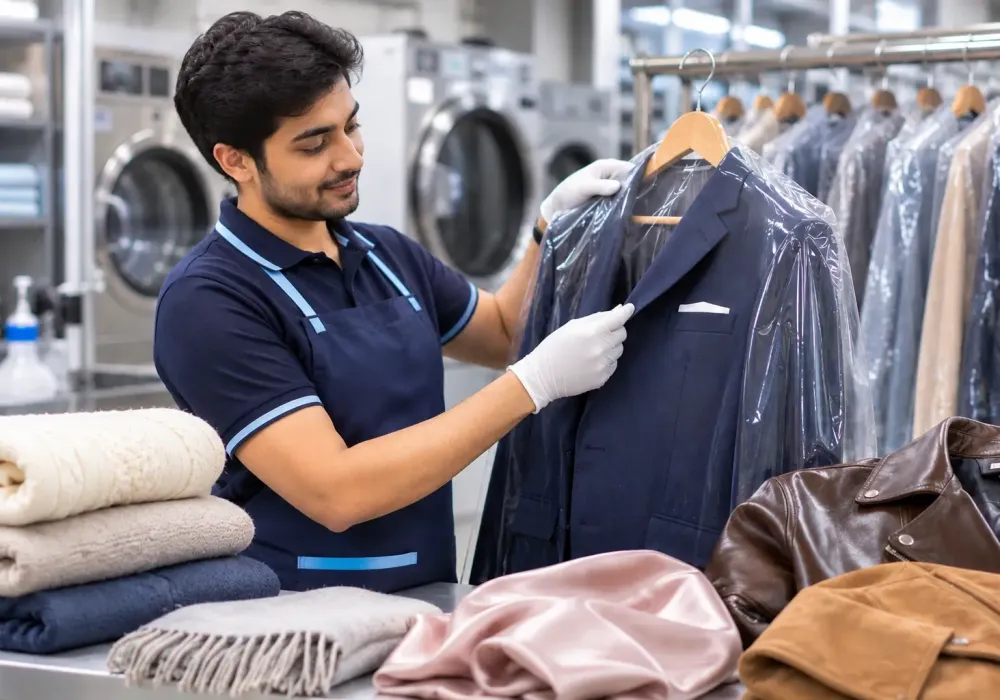
Some garments need more careful attention because of their fabric, construction or replacement cost. Professional cleaning can help maintain these items when the selected method suits the garment.
Suits, Blazers, and Tailored Coats
Suits, blazers and tailored coats often contain structured linings, shoulder padding and carefully shaped sections. Incorrect washing can affect their fit and construction.
Professional cleaning may help remove everyday dirt, body oils and stains while maintaining a smart appearance.
If you regularly wear suits for work or business meetings, suitable garment care can help keep them presentable for longer.
Cashmere, Wool, and Silk
Natural fibres such as cashmere, wool and silk need careful handling.
- Cashmere: Avoid unsuitable washing and aggressive rubbing, which can affect its soft texture.
- Wool: Incorrect heat and washing methods can cause shrinkage or distortion.
- Silk: Harsh products and unsuitable treatments can affect colour and texture.
Always check the care label before cleaning. Professional advice can help you choose a suitable method for delicate knitwear and clothing.
Leather, Suede, and Occasion Wear
Leather jackets, suede coats, evening dresses and special occasion outfits may need specialist care.
These garments can contain delicate surfaces, decorative details, linings or finishes that ordinary home washing may damage.
Do not assume that every dry cleaner handles leather, suede or all types of occasion wear. Ask about the specific garment before booking.
Is Dry Cleaning Worth It for Expensive Clothes?
For many expensive garments, professional cleaning can be a worthwhile investment. Consider the cost in relation to how often you wear the item and how much it would cost to replace.
For example, spending a few pounds on suitable cleaning for a coat worth several hundred pounds may be reasonable if it helps maintain the garment's condition.
However, dry cleaning is not always necessary or suitable. Some garments can be safely washed at home, while others require professional treatment.
Before deciding, consider:
- The garment's original price and replacement cost.
- Its fabric and construction.
- How frequently you wear it.
- The cleaning instructions on its care label.
- Whether it has stains or odours that home washing cannot address.
The aim is not to dry clean every expensive item frequently. It is to choose the right cleaning method at the right time.
How Often Should You Clean Expensive Clothes?
There is no single cleaning schedule for every garment. Frequency depends on how often you wear an item, the fabric, your activities and whether it has visible dirt or odours.
As a general guide:
- Suits: Consider professional cleaning after several wears, or sooner if stained or noticeably soiled.
- Coats: Clean once or twice during the season when needed, and before long-term storage.
- Knitwear: Clean according to wear, visible dirt and odour. Follow the care label carefully.
- Silk and delicate garments: Clean when necessary using the method recommended for the fabric.
- Occasion wear: Check for stains after use and arrange suitable cleaning before storing.
- All expensive clothing: Treat stains promptly and make sure garments are completely dry before storage.
Avoid unnecessary cleaning, as repeated treatment can also contribute to wear over time.
Why Choose Bandbox Laundry for Expensive Clothes in Manchester?

Choosing a suitable cleaner matters when you want to protect valuable clothing. Bandbox Laundry provides professional garment care in Manchester and can help customers discuss their clothing requirements before arranging a service.
If you are comparing dry cleaners in Manchester, consider the cleaning methods offered, experience with your garment type, pricing and expected turnaround.
Careful Handling of Delicate Fabrics
Expensive garments often need more attention than everyday clothing. Fabric type, garment construction and care instructions all influence the cleaning method.
Bandbox Laundry is proud to be Miele's first certified Manchester WetCare professional. WetCare provides an alternative to traditional dry cleaning for suitable garments.
If you have designer clothing, delicate knitwear or a special occasion outfit, contact the team to check whether the garment is suitable for the available cleaning service.
Laundry Pickup and Delivery in Manchester
A busy schedule can make it difficult to visit a laundry shop whenever your clothes need professional attention.
Bandbox Laundry offers free collection and delivery within 48 hours in its service area. Contact the team to confirm availability for your location and arrange a suitable collection.
This makes professional garment care more convenient for customers looking for laundry pickup and delivery in Manchester.
Reliable Turnaround
If you need a suit, coat or special outfit ready for an event, ask about the expected turnaround before booking.
Bandbox Laundry also offers a same-day service. Contact the team to check whether your particular garment and cleaning requirements can be accommodated within that timeframe.
Transparent Pricing and Trusted Reviews
Before sending expensive clothing for cleaning, it is sensible to understand the cost and service involved.
Ask for a price based on the garment type and cleaning requirements. You can also check available customer reviews to understand other customers' experiences.
Bandbox Laundry can advise you about available services and pricing before you arrange your order.
Frequently Asked Questions
Does dry cleaning damage expensive clothes?
Dry cleaning does not automatically damage expensive clothing. When the garment is suitable for the process and the cleaner follows the correct instructions, it can provide an effective cleaning option. However, unsuitable methods can affect delicate fibres, finishes and construction. Always check the care label.
How often should I dry clean a suit or coat?
It depends on how often you wear it and its condition. A suit may need cleaning after several wears, while a coat may only need professional cleaning once or twice during a season. Arrange cleaning sooner if you notice stains, dirt or persistent odours.
Is professional cleaning worth it for designer clothes?
It can be, particularly for garments made from delicate or specialist fabrics. Professional cleaning may help remove dirt, sweat and stains while reducing the risk of damage caused by unsuitable home washing. The right method depends on the garment and its care label.
Should I clean clothes before storing them?
Yes. Clean garments before storing them for a long period, particularly wool, cashmere and other natural-fibre clothing. Dirt, sweat and food residues can attract pests, while damp garments can develop mould. Make sure everything is completely dry before placing it in storage.
Final Thoughts: Protect What You Paid For
Expensive clothing deserves careful attention. Everyday dirt, sweat, body oils and stains can gradually affect fabric fibres, colour and appearance. Using unsuitable washing methods can also cause shrinking, fading and changes in shape.
Professional clothes cleaning helps protect valuable garments by matching cleaning methods to their fabric, construction and care label. Combined with sensible storage and prompt stain treatment, it can help you make your clothes last longer.
If you want to protect your suits, coats, cashmere, silk or other valuable garments, contact Bandbox Laundry to discuss suitable dry cleaning in Manchester.
Look after the clothes you have invested in and give them the care they need to stay in good condition.
Disclaimer:
The information in this article is provided for general information purposes only. Cleaning results may vary depending on the garment, fabric, stain, and cleaning method used. Always follow the garment's care label and seek professional cleaning for delicate or valuable items. BandBox Laundry accepts no liability for any loss or damage resulting from the use of the information provided.