Why Does Your Doormat Need Professional Cleaning Instead of a Quick Wash?
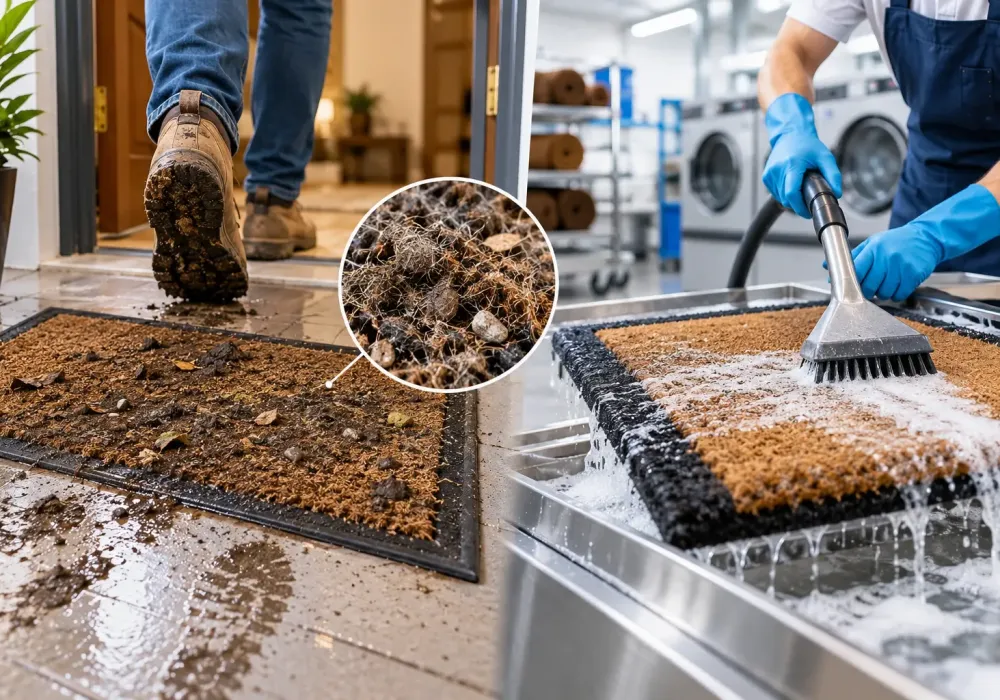
A doormat is the first line of defence against dirt entering your home. Every day, it collects mud, dust, moisture and debris from shoes. Although shaking the mat or giving it a quick wash may remove visible dirt, it may not be enough to tackle heavy soiling or stains trapped deep within the fibres.
Regular doormat cleaning helps maintain your entrance, keeps mats looking presentable and reduces the amount of dirt carried indoors. However, different materials need different cleaning methods, and using the wrong approach can damage the fibres or backing.
In this guide, we explain why doormats get dirty so quickly, why a quick wash may not always be sufficient, and when professional doormat cleaning from a service such as BandBox Laundry in Manchester may be worth considering.
Why Do Doormats Get Dirty Faster Than You Think?
Doormats experience constant contact with footwear, outdoor debris and changing weather conditions. Even when a mat looks reasonably clean, dirt can build up between its fibres.
Dirt, Mud and Debris Tracked in from Outdoors
Shoes carry soil, grit, grass and small particles from pavements, gardens and driveways. A doormat catches much of this debris, but the dirt can become embedded in the material over time.
Outdoor mats often collect heavier dirt than indoor mats because they face direct contact with muddy shoes and garden debris. Regular brushing or vacuuming can remove loose particles, but heavily soiled mats may need more thorough cleaning.
Moisture, Wet Shoes and Unpleasant Odours
Rainy weather makes doormats particularly vulnerable to moisture. Wet footwear transfers water into the mat, allowing dirt to stick to the fibres instead of falling away easily.
If a mat remains damp for too long, it may develop a musty smell. Allowing it to dry fully between uses helps, but persistent odours may indicate that the mat needs a more thorough clean.
Trapped Dust and Dirt Deep Within the Fibres
Some mats have thick, textured or dense fibres that trap dust and small particles. Surface cleaning may improve their appearance without removing all the accumulated debris.
This is one reason why professional doormat cleaning can be useful for mats that receive heavy foot traffic or have not been cleaned thoroughly for some time.
Is a Quick Doormat Wash Enough to Remove Built-Up Dirt?
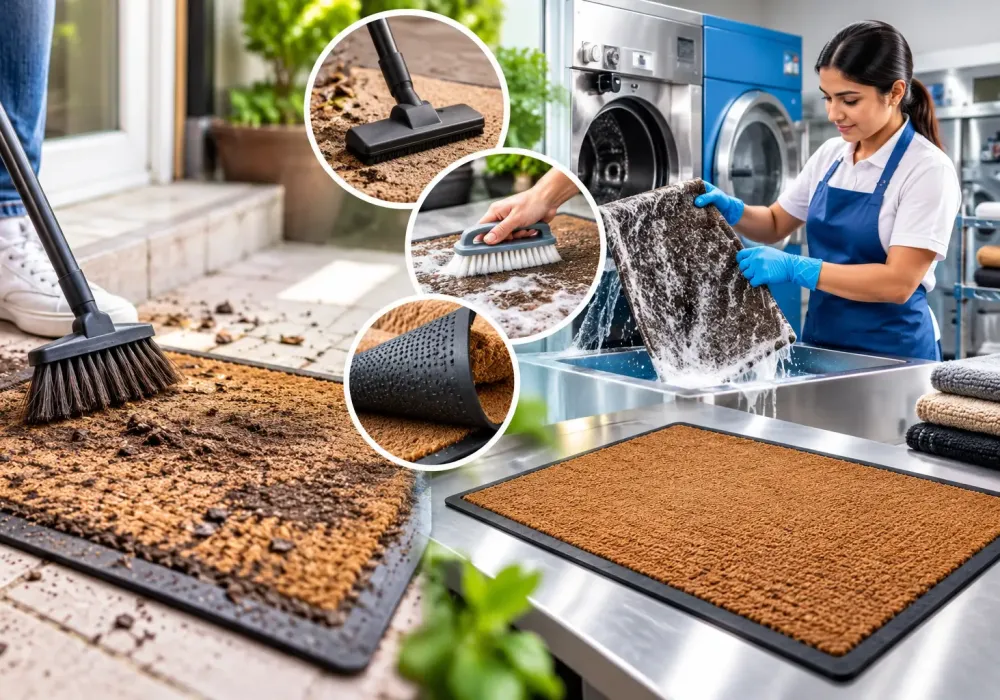
A quick clean can work well for light surface dirt. However, it may not provide the results you need when the mat contains embedded soil, stubborn stains or persistent odours.
Why Shaking and Vacuuming May Not Be Enough
Shaking a mat outdoors and vacuuming both help remove loose dirt. These methods work well as part of routine doormat care, particularly when you use them regularly.
However, they have limitations:
- They may not remove stains that have penetrated the fibres.
- Fine dirt can remain trapped in thick or textured materials.
- They may not resolve persistent odours caused by accumulated soil and moisture.
- They cannot replace washing when the material requires a deeper clean.
Use shaking and vacuuming to maintain your mat between washes, rather than relying on them for every cleaning need.
The Limitations of Washing a Doormat at Home
Not every doormat is suitable for a washing machine. Some mats have rubber backing, natural fibres, glued sections or special finishes that may deteriorate if you soak or wash them incorrectly.
Before washing a doormat at home, check the manufacturer's care instructions. If the label permits machine washing, follow its temperature and drying guidance. Otherwise, use a suitable alternative or seek professional advice.
How Incorrect Cleaning Can Damage Certain Doormat Materials
Using excessive water, harsh cleaning products or unsuitable drying methods can affect a mat's appearance and durability.
For example, natural coir fibres may not tolerate soaking well, while some rubber-backed mats can deteriorate under unsuitable heat or washing conditions. Always choose a cleaning method that matches the mat's construction.
What Happens When You Do Not Clean Your Doormat Regularly?
A neglected doormat can become less effective at trapping dirt and may affect the cleanliness of your entrance.
Dirt Spreads into Your Home
As a mat accumulates soil and debris, shoes can pick up some of that material and carry it onto indoor floors. Regular cleaning helps remove accumulated dirt and supports a cleaner entrance.
Moisture and Lingering Odours Build Up
Wet weather, muddy footwear and poor drying can leave a mat damp. If moisture remains trapped, unpleasant smells may develop. Dry the mat thoroughly after cleaning and avoid placing it back on the floor while it is still wet.
Stains and Embedded Dirt Become Harder to Remove
Mud, food spills and other marks can become more difficult to treat when left for long periods. Prompt attention and appropriate cleaning help prevent dirt from building up, although some stains may remain permanent.
A consistent cleaning routine can help extend the useful life of your doormat and keep your entrance looking cared for.
Professional Doormat Cleaning vs Quick Washing at Home
A quick wash may help with everyday dirt, but professional doormat cleaning can be more suitable for heavily soiled mats or materials that need special care. The right approach depends on the mat's construction, condition and cleaning instructions.
Cleaning Methods Suitable for Different Materials
Different doormats need different cleaning methods. Professional assessment can help identify an appropriate approach for the material.
- Coir mats: These natural fibre mats generally need careful, moisture-limited cleaning. Excessive soaking can damage their structure.
- Rubber-backed mats: Check the manufacturer's instructions before washing, as unsuitable heat or cleaning products may affect the backing.
- Cotton and fabric mats: Some are machine washable, while others require a different method depending on their construction.
- Synthetic mats: Many are designed for easier maintenance, but always check the care label before washing.
More Thorough Treatment for Heavily Soiled Mats
When dirt becomes embedded in the fibres, brushing or vacuuming may not be enough. A suitable professional cleaning process can help address accumulated dirt and some stubborn marks while taking the mat's material into account.
However, results depend on the type of stain, the age of the dirt and the condition of the mat. Not every stain can be removed completely.
Proper Drying to Help Prevent Dampness and Musty Smells
Drying is an important part of doormat care. A mat that remains damp can develop unpleasant odours and may become unsuitable for use until it dries.
The drying method should suit the material. Allow the mat to dry completely before putting it back at the entrance, and avoid exposing it to excessive heat unless the manufacturer's instructions permit it.
Reducing the Risk of Damage from Incorrect Cleaning
Professional cleaning can help reduce the risk of damage when the provider selects a method suitable for the mat. This is particularly useful for bulky mats, delicate fibres and materials with specialised backing.
Before arranging a service, explain the mat's material and any stains or odours so the cleaning provider can assess its requirements.
Which Types of Doormats Need Special Cleaning Care?
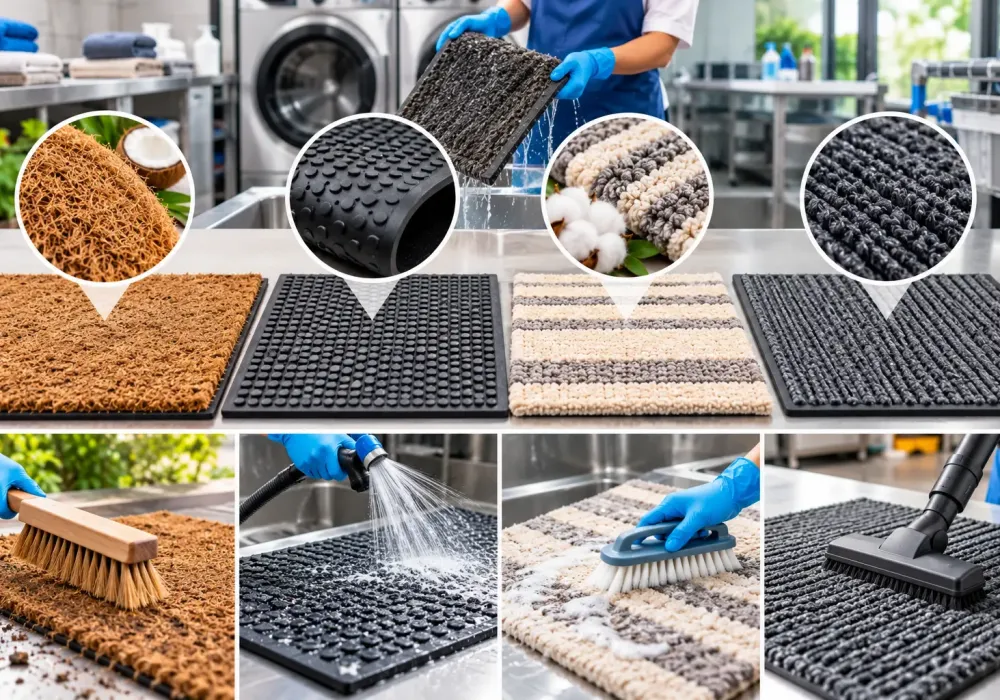
Doormats vary in material, thickness and construction. Understanding these differences helps you choose an appropriate cleaning method.
Coir and Coconut Fibre Doormats
Coir mats are made from coconut fibres and are popular for outdoor entrances because of their rough texture. They trap dirt from footwear effectively, but excessive moisture can affect their structure.
For routine care, shake the mat and brush away loose debris. Check the manufacturer's instructions before applying water or cleaning products.
Rubber-Backed Doormats
Rubber-backed mats help provide grip on suitable surfaces, but their backing may deteriorate if you use an unsuitable cleaning method.
Vacuum or brush away loose dirt and check whether the manufacturer permits washing. Avoid excessive heat and harsh chemicals unless the care instructions specifically allow them.
Cotton and Fabric Doormats
Cotton and other fabric mats can absorb moisture, dust and everyday dirt. Some are machine washable, making home cleaning straightforward when the care label permits it.
Remove loose debris before washing, use a suitable detergent and dry the mat thoroughly. If the mat has a non-slip backing, check whether that backing requires special care.
Synthetic and Heavy-Duty Entrance Mats
Synthetic mats are often designed for frequent use in busy entrances. However, their cleaning requirements vary according to the fibres and backing.
Regular vacuuming can help maintain their appearance. For heavy soiling, check the care instructions or seek professional advice before choosing a deeper cleaning method.
How Often Should You Get Your Doormat Professionally Cleaned?
There is no single cleaning schedule that suits every household. The ideal frequency depends on foot traffic, weather, the mat's location and how quickly it becomes dirty.
Doormats in Busy Family Homes
Homes with children, pets or frequent visitors may need more regular mat cleaning because shoes bring in dirt throughout the day. Inspect your mat regularly and clean it when visible dirt begins to accumulate.
Entrance Mats During Wet and Muddy Weather
During rainy Manchester weather, footwear often carries more mud and moisture indoors. Shake or vacuum your mat more frequently during these periods and allow it to dry fully when wet.
Consider professional cleaning if routine maintenance no longer removes the accumulated dirt effectively.
Signs Your Doormat Needs More Than Routine Cleaning
You may need a deeper clean when:
- Dirt remains embedded after brushing or vacuuming.
- Visible stains persist after appropriate home treatment.
- The mat retains an unpleasant smell after drying.
- The fibres look heavily soiled or feel clogged with debris.
- The mat is too bulky or difficult to clean safely at home.
Why Choose BandBox Laundry for Professional Doormat Cleaning in Manchester?
Keeping entrance mats clean takes time, especially when they collect heavy dirt during wet weather. BandBox Laundry provides laundry and garment-care services in Manchester, giving local households an option to discuss their doormat cleaning requirements.
Effective Cleaning for Dirt, Stains and Built-Up Grime
The appropriate cleaning method depends on the mat's material and condition. If your doormat has stubborn stains or embedded dirt, contact BandBox Laundry to discuss whether the item is suitable for its cleaning service.
Although professional treatment can help improve a mat's cleanliness, results vary depending on the stain and fabric.
Special Care for Different Doormat Materials
Coir, cotton, synthetic and rubber-backed mats do not all respond to the same cleaning process. Tell the team what your mat is made from and share any care instructions before arranging cleaning.
This helps establish whether the mat is suitable for the available service and which precautions may be necessary.
Convenient Collection and Delivery for Busy Households
BandBox Laundry offers collection and delivery within 48 hours, with same-day service also available. These options may help busy Manchester households manage their laundry and cleaning needs more conveniently.
Contact the team to confirm whether your particular doormat can be accepted and which collection option is available.
Simple Ways to Keep Your Doormat Cleaner for Longer
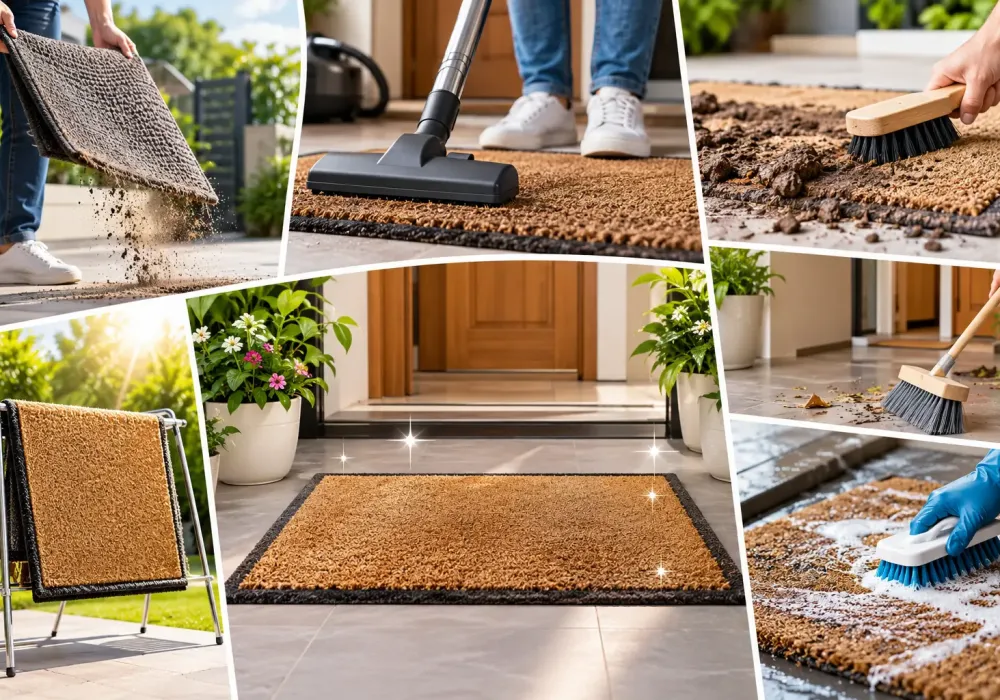
A few regular habits can reduce dirt build-up and help your mat stay in better condition between deeper cleans.
- Shake or vacuum the mat regularly: Remove loose dirt before it settles into the fibres.
- Remove loose mud promptly: Let mud dry where appropriate, then brush it away carefully.
- Allow wet mats to dry completely: Avoid placing a damp mat back on the floor.
- Clean the surrounding entrance area: Remove loose soil and debris from nearby floors to reduce dirt transfer.
- Follow the manufacturer's care instructions: Choose cleaning products and methods suitable for your mat's material.
Frequently Asked Questions
Can you wash a doormat in a washing machine?
Some cotton and synthetic doormats are machine washable, but others are not. Check the care label first, particularly if the mat has rubber backing, natural fibres or glued sections.
Does professional cleaning remove deep dirt from doormats?
Professional cleaning can help remove accumulated dirt and some stubborn stains, depending on the material and the cleaning method. However, heavily ingrained dirt or permanent staining may not disappear completely.
Can a dirty doormat cause unpleasant smells?
Yes. Dirt, moisture and organic debris can contribute to unpleasant odours, particularly when a mat remains damp. Regular cleaning and thorough drying help keep the mat fresher.
How often should a doormat be professionally cleaned?
The frequency depends on foot traffic, weather and how quickly the mat becomes dirty. Busy entrances and homes with pets or children may require more frequent cleaning than low-traffic areas.
Is professional cleaning suitable for coir doormats?
It may be suitable, but coir requires careful handling because excessive moisture can affect its natural fibres. Confirm the mat's care requirements with the cleaning provider before arranging a service.
Final Thoughts: Give Your Doormat More Than a Quick Wash
Your doormat collects much of the dirt and moisture that would otherwise enter your home. Regular brushing and vacuuming help with everyday maintenance, but heavily soiled mats may need a more thorough cleaning method.
Always consider the material, follow the care instructions and make sure the mat dries completely before using it again. When home cleaning is no longer enough, professional assessment can help you decide on the next step.
If you are looking for professional doormat cleaning in Manchester, contact BandBox Laundry to discuss your mat's material, cleaning requirements and available collection options.
Disclaimer:
The information in this article is provided for general information purposes only. Cleaning results may vary depending on the garment, fabric, stain, and cleaning method used. Always follow the garment's care label and seek professional cleaning for delicate or valuable items. BandBox Laundry accepts no liability for any loss or damage resulting from the use of the information provided.