Damp Smell on Clothes After Washing? Why It Happens and When to Call a Professional
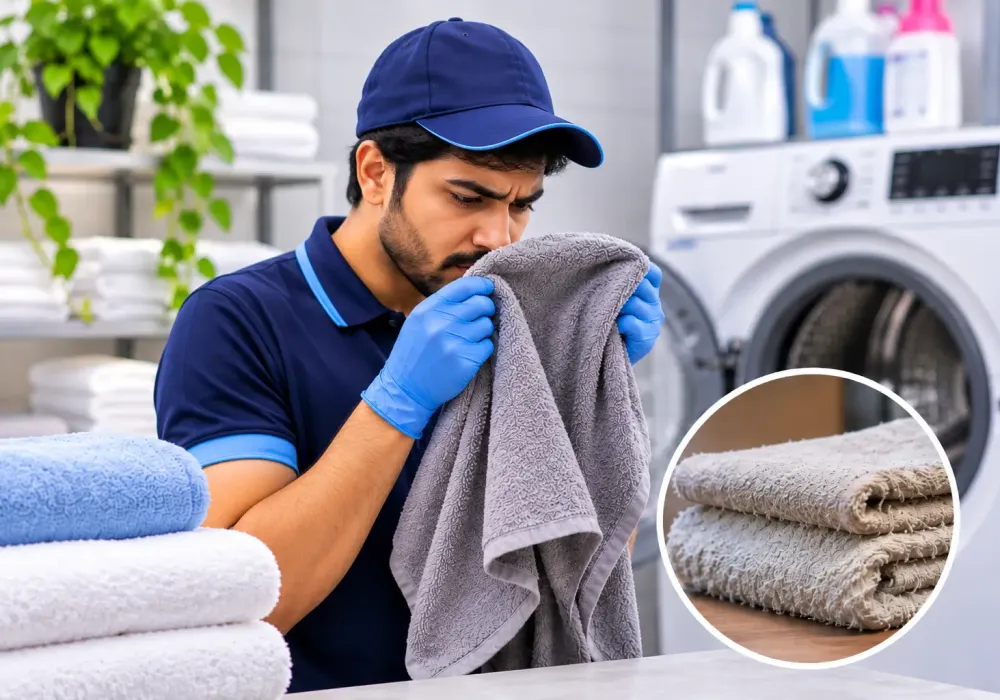
Have you ever taken freshly washed clothes out of the washing machine only to notice an unpleasant damp smell on clothes? It can be frustrating, especially when you have already spent time washing them and expect them to smell clean and fresh.
This musty smell often develops because of trapped moisture, mould or bacteria in the washing machine, detergent residue or clothes that take too long to dry. The problem can become more noticeable during colder months when drying clothes indoors is common.
In this guide, we explain why clothes smell damp after washing, why the odour keeps returning and what you can do about it. We will also explain when professional laundry care from BandBox Laundry in Manchester may be worth considering.
What Causes a Damp Smell on Clothes After Washing?
A musty smell in laundry usually indicates that something is affecting the washing, rinsing or drying process. Identifying the cause can help you prevent the odour from developing again.
Mould and Bacteria Hiding in the Washing Machine
Your washing machine can collect detergent residue, lint and moisture over time. These deposits may create conditions where mould and bacteria can develop, particularly around the rubber door seal, detergent drawer and drum.
If the machine itself has an unpleasant smell, that odour can transfer to your laundry during washing.
To help prevent this problem:
- Clean the detergent drawer and rubber seal regularly.
- Leave the door open after washing to allow the drum to dry.
- Remove lint and visible residue from accessible areas.
- Follow the manufacturer's instructions for machine cleaning.
Wet Washing Left Sitting Too Long
Leaving wet clothes inside the washing machine after a cycle finishes is another common reason for unpleasant laundry smells.
The enclosed, damp environment allows odour-causing microorganisms to develop. The longer clothes remain inside, the more likely they are to develop a musty smell.
Remove washing promptly after the cycle finishes and transfer it to a suitable drying area.
Slow Drying in Cold, Damp UK Homes
Drying clothes indoors can be challenging during colder and wetter months in the UK. Poor ventilation, limited space and high indoor humidity can prevent moisture from escaping.
When clothes remain damp for too long, they may develop a mildew smell even after a complete washing cycle.
To improve drying conditions:
- Leave enough space between garments.
- Open windows when practical to improve ventilation.
- Use a suitable heated airer or dehumidifier if available.
- Avoid placing wet clothes too close together.
Detergent and Softener Residue Trapped in Fabric
Using too much detergent or fabric softener can leave residue on clothing. This build-up may trap dirt and moisture, particularly when the washing machine cannot rinse the load properly.
Overloading the machine can make the problem worse because water and detergent may not circulate effectively.
Use the recommended detergent quantity for your load size and water conditions. Choose a suitable washing programme and avoid adding more product than necessary.
Why the Damp Smell Keeps Coming Back

Sometimes, washing clothes again does not solve the problem. The smell disappears temporarily but returns after drying or wearing the garment. This usually means the original cause has not been addressed.
The Smell Is Deep in the Fibres, Not on the Surface
Some garments absorb sweat, body oils and moisture into their fibres. Towels, sportswear and thick cotton clothing can hold onto these residues.
Simply wiping the surface or using a perfumed product may not address the source of the odour. The garment may need an appropriate cleaning process based on its fabric and care label.
Rewashing Often Sends the Same Smell Back into Your Clothes
If your washing machine contains mould, detergent residue or accumulated dirt, rewashing clothes without cleaning the machine may expose them to the same problem again.
Before running another wash, check the drum, detergent drawer and rubber seal. Also consider whether you are using the right detergent quantity and washing programme.
Indoor Drying Traps Moisture Again
Even when washing removes dirt and residue, clothes can develop a damp smell if they do not dry properly.
This often happens when garments hang too close together in a poorly ventilated room. The moisture remains trapped in the fabric and surrounding air.
Make sure clothes have enough space to dry completely before folding them or putting them inside a wardrobe.
Why Home Attempts Often Fail to Remove Damp Smell
Home washing works well for many everyday laundry needs. However, repeated attempts may not solve persistent odours, particularly when the garment has thick fibres, delicate materials or heavy contamination.
Low-Temperature Washes Do Not Reach Deep Odours
A low-temperature wash may be suitable for certain delicate garments, but it may not address every type of heavy soil or odour-causing residue. The right temperature depends on the fabric, care label and cleaning requirements.
Bulky Items Never Dry Fully at Home
Thick garments and household textiles can hold a considerable amount of moisture inside their fibres. Duvets, blankets, heavy coats and large towels may feel dry on the outside while remaining damp in the middle.
This trapped moisture can cause a musty smell to develop, particularly when you fold or store the item too soon.
If bulky items take too long to dry at home, consider a laundry service with suitable equipment for handling larger loads.
Delicate Fabrics Cannot Take Hot Washes or Harsh Products
Not every garment can tolerate high washing temperatures or strong cleaning products. Woollens, delicate clothing and certain synthetic fabrics need specific care.
Using an unsuitable cleaning method may damage the fibres without properly addressing the odour. Always check the care label and choose a suitable washing method for the material.
Perfumed Products Only Mask the Smell
Fabric sprays, scented detergents and fragrance boosters can make clothes smell pleasant temporarily. However, they do not necessarily remove the residue or moisture causing the musty smell.
Instead of covering the odour, identify its source and choose an appropriate cleaning and drying method.
Which Items Hold a Damp Smell the Longest?

Some fabrics and household textiles are more likely to retain moisture because of their thickness, fibre structure or frequent use.
Duvets, Blankets, and Bulky Bedding
Duvets and blankets can hold moisture deep inside their filling. Their size also makes them difficult to wash and dry properly in smaller domestic machines.
If bedding develops a persistent damp smell, check its care label and make sure it dries completely before putting it back on the bed or storing it.
Coats, Jackets, and Woollens
Winter coats, padded jackets and woollen garments can take longer to dry than lightweight clothing. Their linings and thicker construction may retain moisture even when the outer surface feels dry.
These items need suitable cleaning and drying methods to protect their fabric and construction.
Towels, Gym Wear, and Curtains
Towels and gym wear frequently absorb sweat and moisture, making them more likely to develop unpleasant odours if they do not dry properly.
Curtains can also retain moisture and household odours, particularly in rooms with limited ventilation. Always check their care instructions before washing or arranging professional cleaning.
Signs You Need a Professional Laundry Service
Home washing may not be enough when damp smells keep returning or certain items are difficult to clean and dry properly.
Consider professional laundry care if:
- The smell returns even after rewashing your clothes.
- Items remain damp for days after washing.
- Your washing machine has a persistent musty smell.
- Bulky items do not fit comfortably inside your washing machine.
- Delicate garments cannot tolerate high temperatures or strong cleaning products.
- You do not have enough space or time to dry laundry properly.
A professional laundry service can assess the items and recommend suitable cleaning options based on their fabric and condition.
How Professional Laundry Removes Damp Smell on Clothes
Professional laundry care can help address odours associated with dirt, sweat and detergent residue. The cleaning method depends on the garment, fabric type and source of the smell.
Thorough Cleaning That Reaches the Fibres
Some fabrics hold onto sweat, body oils and everyday dirt. An appropriate cleaning process helps remove these deposits rather than simply covering the smell with fragrance.
Controlled Washing and Drying
Choosing suitable washing conditions and allowing garments to dry thoroughly are important parts of laundry care.
Professional equipment can help manage different laundry loads, including items that may be difficult to handle using a domestic washing machine.
Care Matched to Each Fabric
Different materials need different levels of care. Cotton, wool, synthetic fabrics and delicate garments may require different cleaning methods.
Checking the care label and assessing the garment helps determine the most suitable approach.
Fresh, Odour-Free Finish
Proper cleaning and thorough drying can help reduce unpleasant laundry odours caused by removable dirt and residue. However, results depend on the source of the smell and the condition of the item. Persistent mould contamination may require additional attention.
Why Choose Bandbox Laundry in Manchester?

If you regularly struggle with damp laundry, BandBox Laundry offers professional laundry and garment care services in Manchester. Whether you have everyday clothing or larger household items, you can enquire about suitable cleaning options based on the item's material and care requirements.
Experience with Bulky and Delicate Items
Different garments and household textiles need different cleaning approaches. BandBox Laundry provides professional garment care and WetCare services for suitable items.
You can discuss your requirements before booking to understand whether your clothing or household textile is suitable for the available cleaning methods.
Laundry Pickup and Delivery in Manchester
Finding time to manage regular laundry can be difficult, especially when you have a busy schedule. BandBox Laundry offers free collection and delivery within 48 hours, with same-day service also available.
This gives customers in Manchester a convenient way to arrange professional laundry care without making an extra trip to the shop.
Quick, Reliable Turnaround
Having a regular laundry routine can make it easier to manage everyday clothing and household washing. Ask BandBox Laundry about the expected turnaround time for your particular items before arranging collection.
Frequently Asked Questions
Why do my clothes smell damp after washing?
Clothes can develop a damp smell because of mould or bacteria inside the washing machine, detergent residue, wet washing left sitting too long or slow drying. Check your washing machine and drying conditions to identify the cause.
Why does the damp smell on clothes keep coming back?
The smell may return if the original cause remains. For example, a dirty washing machine, trapped moisture or residue deep inside the fabric can continue affecting your laundry. Rewashing without addressing the source may not solve the problem.
Can a laundry service remove damp smell from clothes?
A professional laundry service can help remove odours caused by removable dirt, sweat and detergent residue using suitable cleaning methods. However, the results depend on the fabric, condition of the garment and source of the smell. Severe mould contamination may need additional treatment.
Is it safe to wear clothes with a damp smell?
It is better to identify and address the cause before wearing clothes that have a persistent musty smell. The odour may indicate trapped moisture, mould or bacterial build-up. Wash and dry the garment properly, and avoid wearing it if you notice visible mould or suspect contamination.
Final Thoughts: Stop the Damp Smell for Good
A damp smell on clothes after washing usually means something is going wrong during the washing, rinsing or drying process. Cleaning your washing machine, avoiding excessive detergent, removing wet clothes promptly and allowing enough drying time can help prevent the problem.
For persistent odours or garments that are difficult to clean and dry at home, professional laundry care may be a practical solution.
If you are looking for convenient laundry services in Manchester, BandBox Laundry can help you explore suitable cleaning options for your garments and household textiles.
Book a pickup with BandBox Laundry in Manchester today.
Disclaimer:
The information in this article is provided for general information purposes only. Cleaning results may vary depending on the garment, fabric, stain, and cleaning method used. Always follow the garment's care label and seek professional cleaning for delicate or valuable items. BandBox Laundry accepts no liability for any loss or damage resulting from the use of the information provided.