Dehumidifier or Heated Airer: What Is Best for Drying Laundry Indoors?
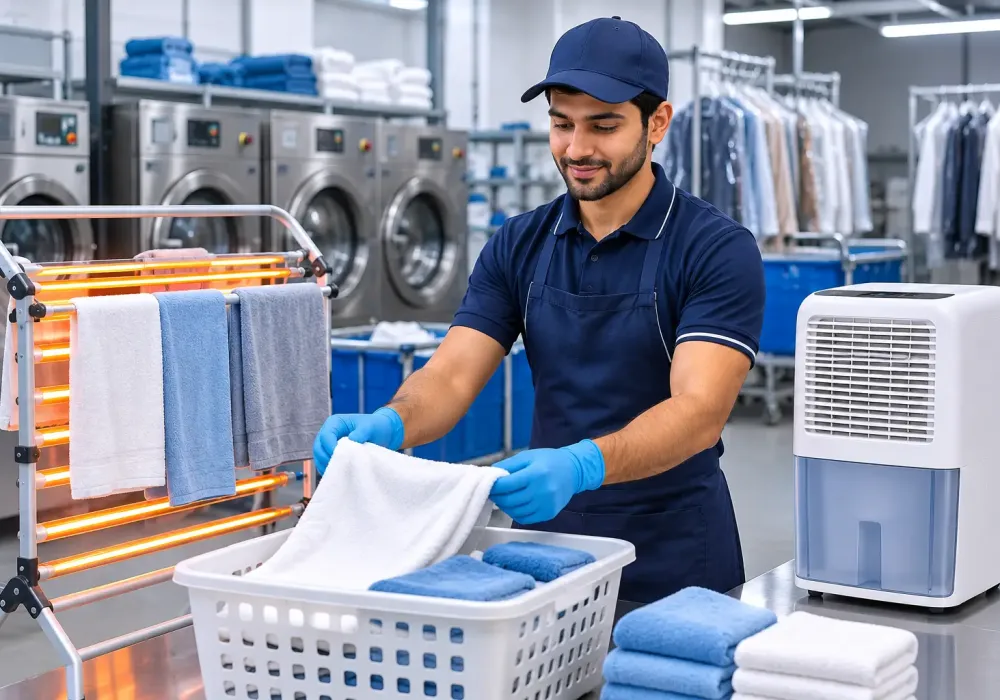
Drying clothes indoors can be difficult during colder and wetter months in the UK. If you are choosing between a dehumidifier or heated airer, the right option depends on how much laundry you wash, the space available and how quickly you need your clothes to dry.
A heated airer provides gentle warmth to help moisture evaporate from clothes, while a dehumidifier removes moisture from the surrounding air. A heated airer can suit smaller loads and occasional use, whereas a dehumidifier can be useful for larger loads and homes that struggle with condensation.
In this guide, we compare both options, explain their running costs and limitations, and help you decide which method works best for your household.
Why Drying Laundry Indoors Causes Damp in UK Winters
Indoor laundry drying becomes more common when outdoor temperatures drop and rainy weather makes it difficult to hang clothes outside. However, drying wet clothes inside releases moisture into your home, which can affect indoor humidity.
Moisture Released into the Air
When wet clothes dry, the water held in their fibres evaporates and enters the surrounding air. If you dry several loads indoors without enough ventilation, humidity levels can increase.
This is particularly noticeable in smaller flats and rooms with limited airflow.
Common signs of excess indoor moisture include:
- Condensation forming on windows.
- A damp feeling in rooms where clothes dry.
- Laundry taking longer to become completely dry.
- Unpleasant smells developing in clothes.
- Increased moisture around cold walls and windows.
Improving airflow and managing humidity can help make drying laundry indoors more effective.
Condensation, Mould, and Musty Smells
When warm, moisture-filled air comes into contact with cold surfaces, condensation can develop. If the moisture remains for long periods, it may contribute to mould growth.
This can become a concern during winter when windows stay closed and ventilation remains limited.
To reduce the risk:
- Avoid drying clothes in rooms with poor ventilation.
- Leave enough space between garments.
- Open windows when practical to release humid air.
- Use a dehumidifier if indoor humidity becomes difficult to manage.
How a Heated Airer Works
A heated clothes airer uses electrically heated bars to provide warmth directly to garments. You spread your clothes across the bars, allowing the heat to encourage moisture to evaporate.
Unlike a tumble dryer, a heated airer does not rotate clothes. It provides a stationary drying surface and usually works best when you spread garments out properly.
Pros: Low Upfront Cost and Easy to Use
One of the main advantages of a heated airer is its simple design. You do not need complicated installation, and many models fold away when you finish using them.
Its benefits include:
- Usually lower upfront cost than buying a dehumidifier.
- Simple operation with minimal setup.
- Suitable for small laundry loads.
- Convenient for lightweight garments and everyday clothing.
- Generally quieter than appliances with fans or compressors.
A heated airer can be a practical tumble dryer alternative if you only need to dry a few garments at a time.
Cons: Small Loads and Slow for Bulky Items
Heated airers have limited drying space, so they may not suit large family laundry loads.
Some common limitations include:
- Thick towels and jeans can take longer to dry.
- Bulky garments may cover several heated bars.
- Clothes need enough space for air to circulate.
- Moisture evaporates into the room unless you provide suitable ventilation or moisture removal.
If you regularly dry large loads, you may need to run the heated airer for longer or use another drying method.
How a Dehumidifier Works
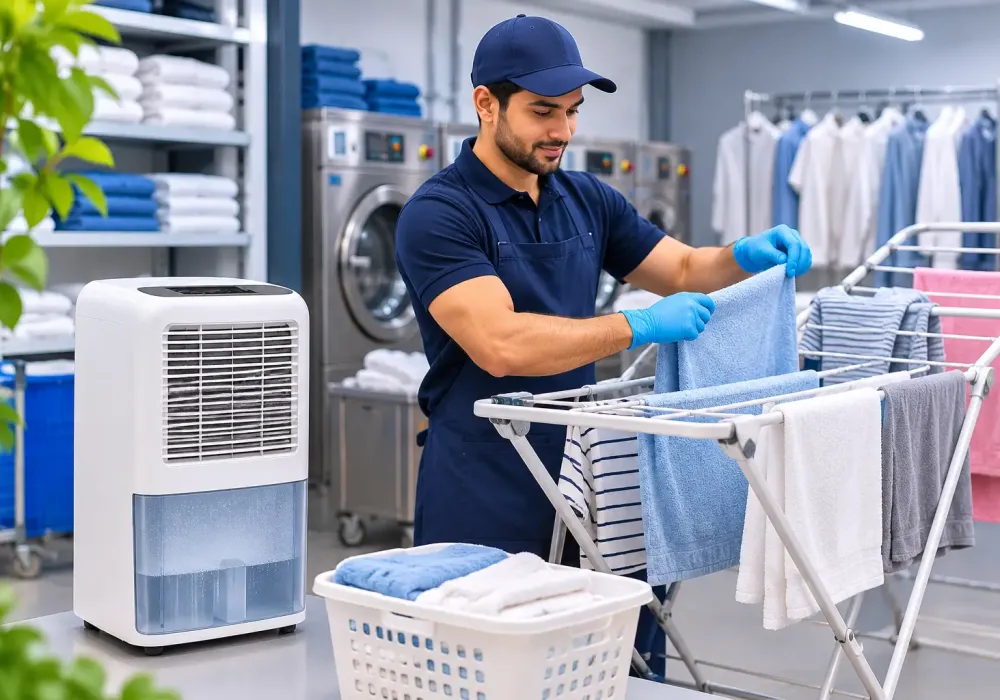
A dehumidifier removes excess moisture from the surrounding air. When you dry clothes in a suitable room with a dehumidifier, it collects some of the moisture released by the laundry.
This can help clothes dry more effectively while also reducing indoor humidity and condensation.
Pros: Dries the Air and Helps Reduce Condensation
A dehumidifier for drying clothes can be useful when you regularly dry laundry indoors.
Its main benefits include:
- Removes moisture from the surrounding air.
- Helps control humidity during indoor laundry drying.
- Can reduce condensation in suitable rooms.
- Works alongside a clothes airer.
- Useful for households drying larger amounts of laundry.
For better results, spread clothes out on an airer and follow the appliance manufacturer's recommendations for room size, placement and ventilation.
Cons: Higher Upfront Cost, Noise, and Space
A dehumidifier generally costs more to purchase than a basic heated airer. It also needs floor space and uses electricity while operating.
Depending on the model, you may notice:
- Fan or compressor noise during operation.
- The need to empty the water tank or arrange drainage.
- Different performance levels depending on room temperature and humidity.
- Additional electricity consumption over longer operating periods.
Its performance also depends on the appliance type and the conditions in your home. Check the manufacturer's specifications before choosing a model.
Which Is Better for Your Home?
Choosing between a heated airer and a dehumidifier depends on your household size, available space and regular laundry requirements. Neither option suits every situation.
Small Flats and Single Loads
A heated airer can be a practical choice if you live alone or have limited laundry requirements.
It works well for:
- A few everyday clothing items.
- Lightweight tops and trousers.
- Occasional indoor laundry drying.
- Households looking for a simple, foldable appliance.
However, if your flat regularly develops condensation, combining an airer with a suitable dehumidifier may provide better moisture control.
Families and Larger Loads
Families often wash several loads of clothing, towels and bedding each week. A single heated airer may not provide enough space to dry everything quickly.
A dehumidifier can help manage moisture released by larger laundry loads, particularly when you use it in a suitable enclosed room. However, you still need enough space to spread clothes out and allow air to circulate.
Homes with Damp or Condensation Problems
If you regularly notice condensation on windows or damp air when drying clothes, a dehumidifier may be the more useful option.
It removes moisture from the air rather than simply heating the clothes. However, it is important to address any underlying ventilation or damp problems rather than relying on an appliance alone.
What Neither Option Dries Well
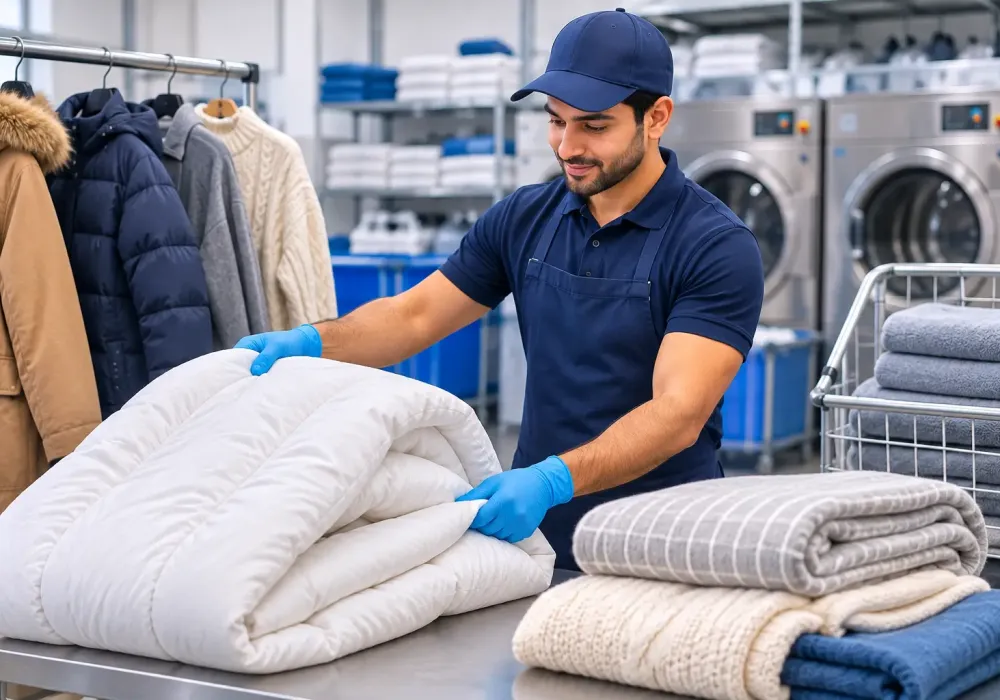
Although both appliances can help with indoor laundry drying, some household items need more space, time and suitable drying conditions.
Duvets, Blankets, and Bulky Bedding
Duvets and thick blankets can hold considerable amounts of moisture. Their size makes them difficult to spread evenly across a heated airer.
A dehumidifier may help control room humidity, but it does not automatically solve the problem of drying thick bedding throughout.
For larger items, check the care label and consider a professional laundry service with suitable equipment.
Coats, Jackets, and Woollens
Winter coats, padded jackets and woollen garments often require specific drying methods. Some need to dry flat, while others require careful reshaping during drying.
Avoid placing delicate garments directly on heated bars unless the manufacturer's instructions permit it.
Towels and Curtains
Thick towels can take longer to dry because their fibres hold more water. Curtains also present a challenge because of their size and weight.
A heated airer may not provide enough drying space, while a dehumidifier still needs suitable airflow around the items.
When a Professional Laundry Service Makes More Sense
Sometimes, neither a heated airer nor a dehumidifier is convenient enough for your laundry requirements.
Professional laundry care may be worth considering when:
- You regularly wash large or bulky items.
- Duvets and blankets take too long to dry at home.
- Your home has limited space for indoor laundry.
- You repeatedly notice damp smells in thick garments.
- You have little time to manage washing and drying.
A professional laundry service can provide suitable washing and drying for different household textiles, depending on their care requirements.
Dehumidifier vs Heated Airer: Quick Comparison
Both options have advantages, but their performance and running costs depend on the appliance, laundry load and conditions in your home.
Running Cost
A heated airer often uses less electricity per hour than a typical dehumidifier, but actual costs depend on the appliance's wattage and how long you operate it.
A dehumidifier may use more electricity per hour, but it can also help manage humidity in the room.
To compare costs, check the appliance's power rating and calculate its estimated consumption using your electricity tariff.
Drying Speed
A heated airer provides direct warmth to garments, but thick towels and jeans may take several hours to dry.
A dehumidifier removes moisture from the surrounding air and can improve drying conditions, particularly in a suitable enclosed room.
Neither option guarantees a particular drying time.
Damp Risk
A heated airer releases moisture from clothes into the room. Without adequate ventilation or moisture removal, indoor humidity can increase.
A dehumidifier collects moisture from the air, helping reduce condensation during indoor drying.
Noise and Space
Heated airers are generally quiet and many models fold away after use.
Dehumidifiers need a suitable position in the room and can produce noise while operating. Consider the available floor space and noise level before purchasing one.
Best For
- Heated airer: Small households, occasional laundry and lightweight clothing.
- Dehumidifier: Families, larger indoor drying loads and homes experiencing condensation.
- Combination: Households that want to use an airer for drying clothes while controlling the moisture released into the room.
Why Choose Bandbox Laundry in Manchester?
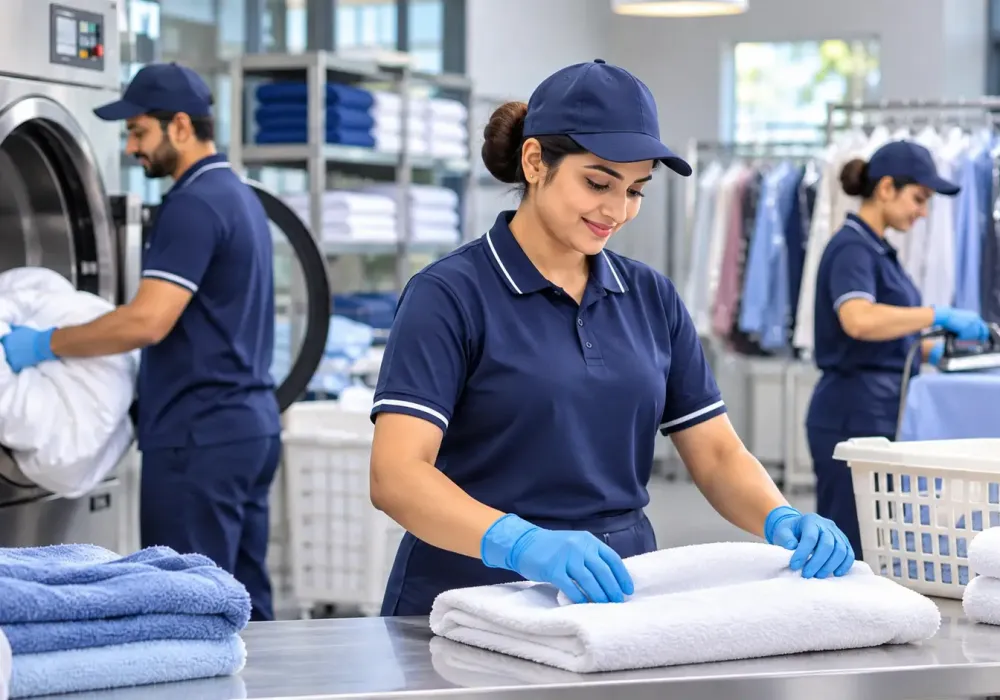
If indoor drying takes too much time or you regularly struggle with bulky laundry, BandBox Laundry offers professional laundry services in Manchester.
Thorough Washing and Proper Drying
Different garments and household textiles need suitable cleaning and drying methods. BandBox Laundry provides professional garment care for suitable items, helping customers manage laundry that may be difficult to handle at home.
Laundry Pickup and Delivery in Manchester
BandBox Laundry offers free collection and delivery within 48 hours, with same-day service also available.
This gives Manchester customers a convenient way to arrange laundry care without spending additional time washing and drying everything at home.
Care for Bulky and Delicate Items
Duvets, blankets, coats and delicate garments may require different care approaches. You can discuss your items with BandBox Laundry to find out which cleaning options are suitable.
Frequently Asked Questions
Is a dehumidifier better than a heated airer?
It depends on your requirements. A heated airer provides warmth directly to clothes, while a dehumidifier removes moisture from the surrounding air. A dehumidifier may be more useful for larger indoor drying loads and homes with condensation problems.
Does a dehumidifier dry clothes faster?
A dehumidifier can help clothes dry faster by reducing the humidity around them. However, results depend on room temperature, airflow, appliance capacity and how much laundry you are drying.
Is a heated airer cheaper than a tumble dryer?
A heated airer often uses less electricity than a conventional tumble dryer, but drying usually takes longer. Compare the wattage and operating time of both appliances to understand their actual running costs.
How do I stop clothes smelling damp when drying indoors?
Follow these steps:
- Remove wet clothes from the washing machine promptly.
- Spread garments out on an airer.
- Improve airflow by ventilating the room.
- Use a dehumidifier if indoor humidity is high.
- Make sure clothes dry completely before storing them.
If damp smells continue, check your washing machine and review your washing and drying routine.
Final Thoughts: Choose the Right Drying Method, and Know When to Hand It Over
Choosing between a dehumidifier or heated airer depends on your laundry volume, available space and indoor humidity. A heated airer can suit smaller loads, while a dehumidifier can help manage moisture when drying larger amounts of laundry indoors.
However, bulky bedding, heavy coats and delicate garments may need more specialised care than either option can conveniently provide.
If you want a convenient alternative to managing everything at home, BandBox Laundry offers professional laundry services in Manchester.
Book a pickup with BandBox Laundry in Manchester today.
Disclaimer:
The information in this article is provided for general information purposes only. Cleaning results may vary depending on the garment, fabric, stain, and cleaning method used. Always follow the garment's care label and seek professional cleaning for delicate or valuable items. BandBox Laundry accepts no liability for any loss or damage resulting from the use of the information provided.