Ironing vs Steaming: How to Choose the Right Method for Your Clothes
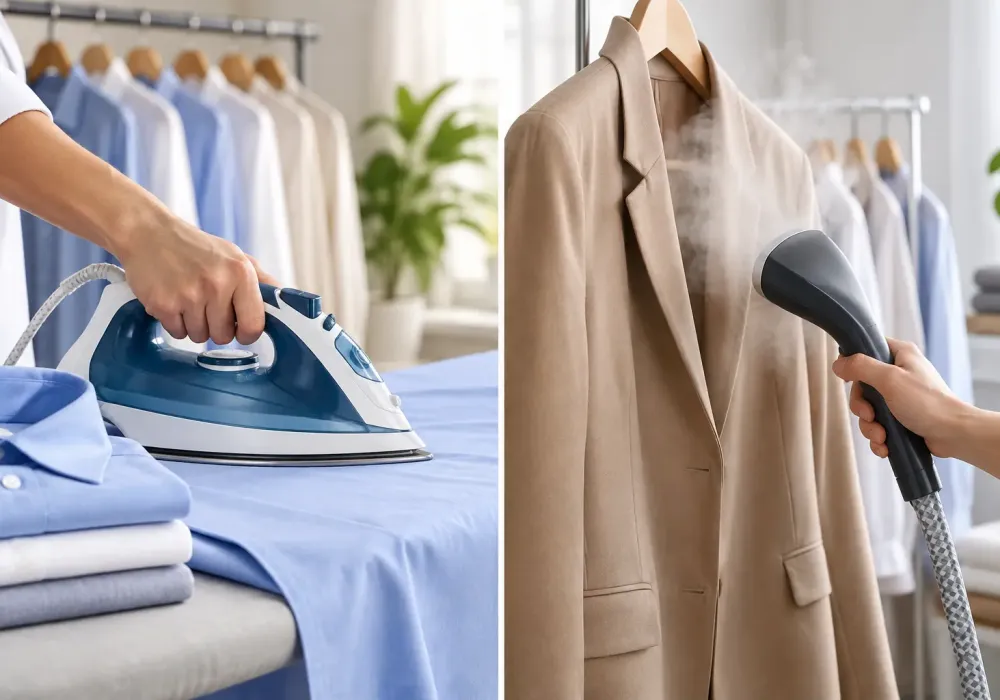
Wrinkled clothes can make even a clean outfit look untidy. When it comes to removing wrinkles, two common options are ironing and steaming. Both methods can improve the appearance of clothing, but they work differently and are better suited to different garments and fabrics.
Choosing between ironing vs steaming depends on the type of clothing, the fabric, the finish you want and the instructions on the care label. Ironing can create a crisp, structured finish, while steaming can help relax fabric fibres and remove lighter wrinkles without direct contact.
For everyday clothing, formalwear and delicate garments, understanding the difference can help you choose a suitable garment care method and reduce the risk of heat or fabric damage.
How Does Ironing Work?
Ironing uses a heated soleplate that comes into direct contact with the fabric. The combination of heat, pressure and movement helps relax wrinkles and create a smoother finish.
The right temperature depends on the fabric. Cotton and linen can generally tolerate more heat than some synthetic or delicate materials, but you should always follow the garment's care label.
Ironing is particularly useful when clothing needs a defined and polished appearance.
- Heat relaxes fabric fibres: The warmth helps loosen wrinkles from the material.
- Pressure creates a smooth finish: Moving the iron across the garment flattens wrinkles and helps create a neat appearance.
- It can create defined creases: Ironing works well when trousers or formal garments require sharp lines.
- Temperature must match the fabric: Using excessive heat can cause shiny marks, scorching or other fabric damage.
This is why professional ironing can be useful for garments that need a consistent finish or require more careful handling.
How Does Steaming Work?
Steaming uses hot steam to relax fabric fibres rather than pressing a heated plate directly against the clothing. The steam passes through the material and can help loosen light wrinkles.
A clothes steamer can be particularly convenient for garments that are difficult to place flat on an ironing board. It can also help refresh clothing between wears, although steaming is not a replacement for washing or dry cleaning when a garment is dirty or stained.
When using steam, always check whether the garment is suitable for steaming. Some fabrics and finishes may require specific care.
- Steam relaxes fibres: The moisture and heat can help release light wrinkles.
- There is less direct contact: A steamer does not press a hot soleplate directly against the garment.
- It works well for hanging clothes: Dresses, jackets and other garments can often be steamed while hanging.
- It is useful for light creasing: Steaming can help refresh garments that have developed wrinkles during storage or travel.
When Is Ironing the Better Choice?
Ironing can be the better option when you want a crisp, smooth and structured finish. It provides more control over specific areas of a garment, making it useful for collars, cuffs, seams and defined trouser creases.
When You Want a Crisp and Smooth Finish
If your clothing needs a sharp and polished appearance, ironing can provide a more defined finish than steaming.
It can be particularly useful for:
- Dress shirts that need smooth collars and cuffs
- Trousers that require defined creases
- Formal clothing that needs a polished appearance
- Workwear that needs a neat finish
For garments where appearance matters, professional ironing can help achieve a consistent finish without requiring you to manage every item yourself.
For Shirts, Trousers and Formal Clothing
Shirt ironing is often useful because shirts contain areas such as collars, cuffs, sleeves and button plackets that benefit from direct pressing.
Trousers can also require ironing to maintain their shape and creases. Formal clothing, including some suits and tailored garments, may need careful finishing to maintain its structure.
However, always check the care label before applying direct heat. Some garments may require professional garment care instead.
When Garments Need Defined Creases
Steaming can relax wrinkles, but ironing provides greater control when you want a specific crease or sharp line.
This makes ironing useful for:
- Suit trousers
- Formal trousers
- Certain uniforms
- Structured garments
The key is to use the correct temperature and avoid excessive pressure, particularly on darker fabrics that can develop shiny marks from ironing.
When Is Steaming the Better Choice?
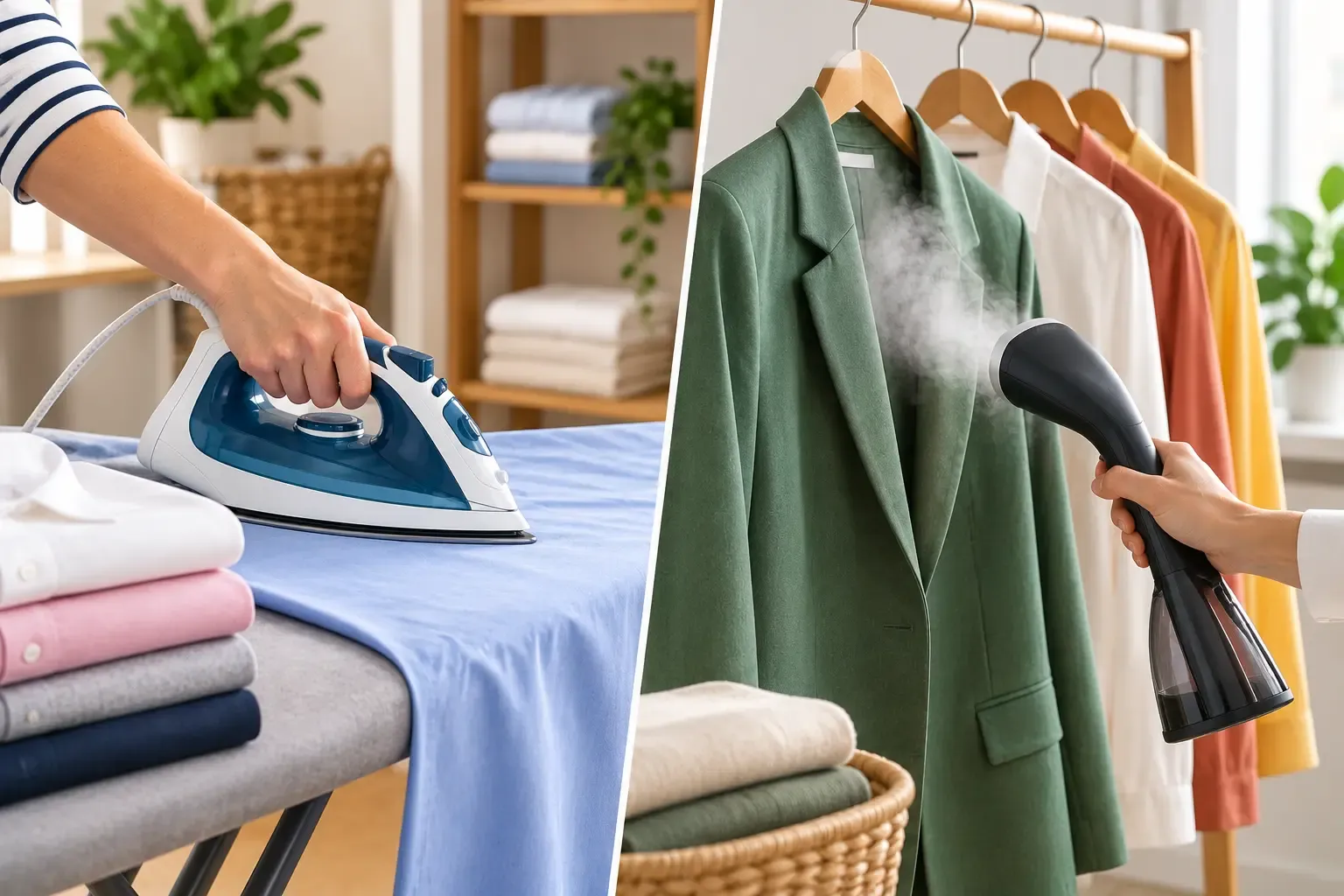
Steaming can be useful when the main goal is to reduce light wrinkles or refresh the appearance of clothing without pressing a hot iron directly against the fabric.
For Removing Light Wrinkles
A clothes steamer can help loosen light wrinkles that develop after clothing has been stored, packed or worn.
It can be useful for garments that do not require a sharp crease but simply need a smoother appearance.
For Refreshing Clothes Between Wears
Steaming can help freshen the appearance of some garments between wears. It is particularly convenient for clothing that has light creasing but does not necessarily need ironing.
However, steaming does not replace proper clothes cleaning. If a garment has stains, noticeable odours or significant dirt, it may require washing or professional dry cleaning instead.
When You Want to Avoid Direct Iron Contact
One potential benefit of steaming is that there is no heated soleplate pressing directly against the garment. This can make steaming useful for some fabrics and garments where direct ironing requires extra caution.
However, steaming is not automatically suitable for every delicate fabric. Always check the care label and the manufacturer's instructions before using a steamer.
Ironing vs Steaming for Different Types of Clothes
There is no single method that works equally well for every garment. The choice between ironing vs steaming should depend on the clothing type, fabric, construction and finish you want. Checking the care label before using heat or steam is always an important part of good garment care.
Shirts and Blouses
Shirts and blouses can usually benefit from ironing when you want a crisp, polished appearance. Ironing allows you to work carefully around collars, cuffs, sleeves and button areas.
Steaming can be useful when a shirt has light wrinkles and you want to refresh its appearance without creating sharp creases.
- Choose ironing when you want a smooth, structured finish.
- Choose steaming for light wrinkles and quick refreshing.
- Always check the care label, particularly for delicate blouses.
Trousers and Suit Trousers
Trousers often benefit from ironing because it allows you to maintain defined creases and achieve a professional appearance. Suit trousers require particular care because excessive heat or pressure can affect the fabric's finish.
- Ironing is generally more suitable when trousers need defined creases.
- Steaming can help reduce light wrinkles without creating a sharp crease.
- Avoid excessive pressure on dark suit fabrics to reduce the risk of shiny marks.
Suits and Formalwear
Suits and formalwear require more careful fabric care because they often have structured construction, lining and specialised fabrics. Incorrect heat or pressure can affect the garment's shape or appearance.
Steaming may help relax light wrinkles, while professional ironing can provide a more controlled finish where appropriate.
For valuable formalwear, always follow the care label and consider professional garment care when you are unsure about the correct finishing method.
Dresses and Delicate Garments
Dresses can be difficult to iron because of their shape, layers, embellishments and fabric composition. Some may respond well to steaming, while others require a specific ironing temperature or professional treatment.
- Check the care label before applying heat or steam.
- Take extra care with silk, embellishments and delicate finishes.
- Avoid applying excessive pressure to sensitive fabrics.
- Consider professional garment care for valuable or difficult-to-handle dresses.
Everyday Clothing
For everyday clothing, the choice often comes down to the finish you want and the garment's care requirements. Cotton shirts, T-shirts and casual trousers may be suitable for ironing when they need a smoother appearance.
Steaming can be convenient for clothes that only have light wrinkles and need a quick refresh.
Which Fabrics Need Extra Care When Ironing or Steaming?
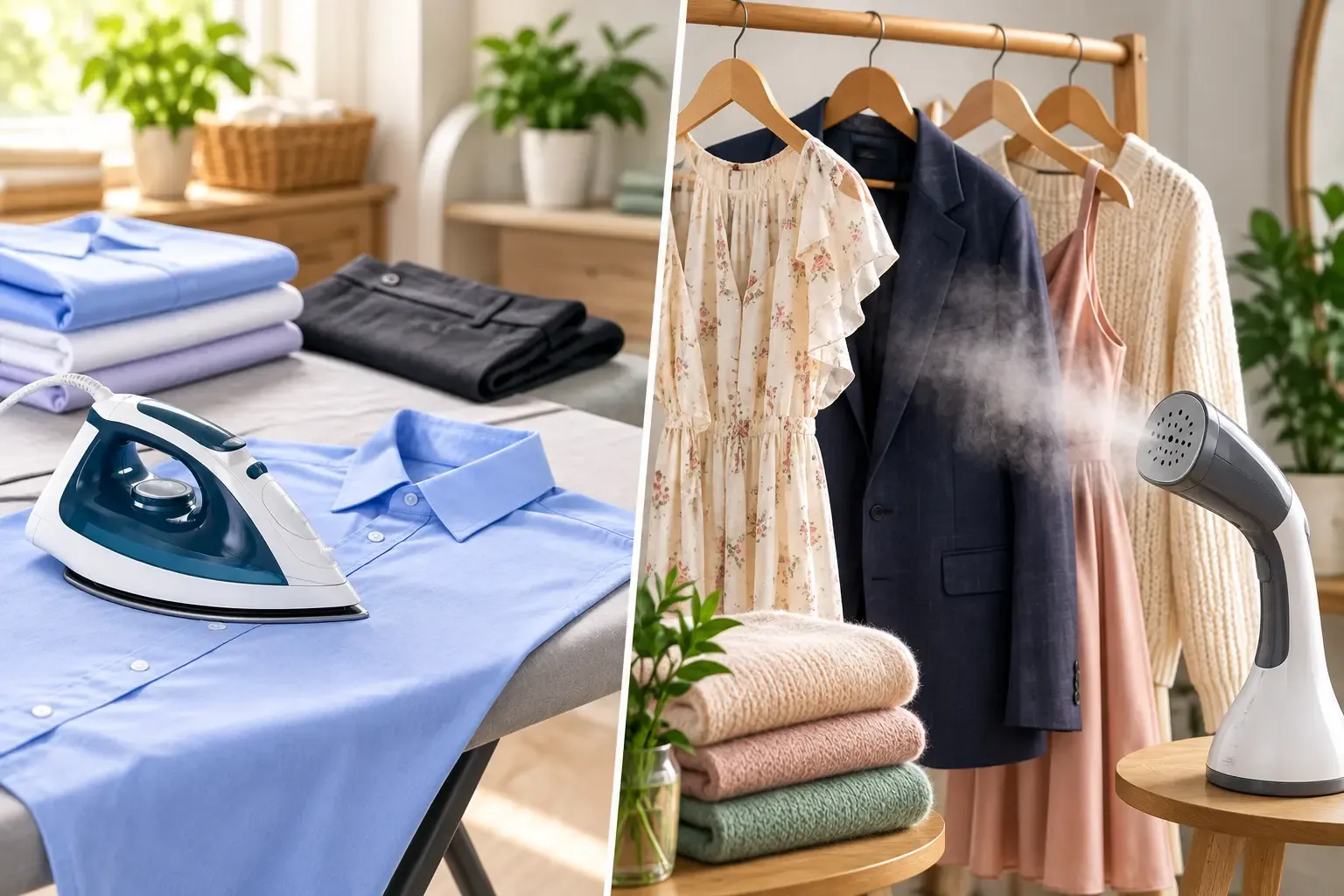
Different fabrics respond differently to heat, pressure and moisture. Understanding the fabric can help you choose a more suitable clothing care method.
Cotton and Linen
Cotton and linen can develop noticeable wrinkles and often benefit from ironing. However, always use the temperature recommended on the care label.
Wool and Suit Fabrics
Wool and suit fabrics require careful handling because excessive heat and pressure can affect their surface and appearance.
- Use the recommended temperature.
- Avoid pressing too heavily.
- Consider steaming where the care instructions allow it.
- Use professional suit ironing or garment care when you are unsure.
Synthetic Fabrics
Synthetic materials such as polyester can be sensitive to high temperatures. Excessive heat may affect the fabric surface or cause damage.
Always follow the manufacturer's ironing instructions and avoid assuming that every synthetic garment can tolerate the same temperature.
Silk and Other Delicate Fabrics
Silk and other delicate fabrics need particular attention. Direct heat, excessive pressure or an unsuitable cleaning method can affect their appearance.
For valuable or delicate garments, professional garment care may be a more suitable option than experimenting with different ironing or steaming techniques at home.
When Can Ironing or Steaming Damage Your Clothes?
Both methods can cause problems when used incorrectly. Understanding the risks can help you avoid fabric damage, shiny patches and changes to your garment's appearance.
Excessive Heat Can Damage Fabric Fibres
Using a temperature that is too high can weaken or alter some fabric fibres. Heat-sensitive materials require lower temperatures and careful handling.
Too Much Pressure Can Leave Shiny Marks
Pressing an iron too firmly can flatten fabric fibres and create shiny iron marks on clothes, particularly on dark-coloured garments and some suit fabrics.
Incorrect Temperature Can Affect Delicate Fabrics
Delicate materials may require very low heat or may not be suitable for ironing at all. Always follow the care label before applying direct heat.
Direct Heat Can Damage Synthetic Materials
Some synthetic fabrics can react badly to excessive heat. Incorrect ironing may affect their texture, finish or overall appearance.
Ignoring the Care Label Can Increase Damage
The care label provides important information about suitable ironing temperatures and whether steaming or ironing is recommended. Following these instructions is one of the simplest ways to reduce the risk of unnecessary garment damage.
When Should You Choose Professional Ironing?
Professional ironing can be useful when you want your clothes to have a neat, consistent finish without spending time handling every garment yourself. Choosing between ironing and steaming can sometimes be difficult, especially when you have different fabrics and clothing types in the same laundry load. BandBox Laundry provides professional ironing services in Manchester to make regular garment care more convenient.
Our service can be useful for everyday clothing, formal garments, tailored clothing and larger loads that take significant time to manage at home. We also provide professional dry cleaning when a garment's care label requires a suitable dry-cleaning method.
For added convenience, BandBox Laundry offers free collection and delivery within 48 hours, with same-day service available when required.
Frequently Asked Questions
Is steaming better than ironing?
Neither method is automatically better for every garment. Ironing is useful for a crisp finish and defined creases, while steaming can help relax light wrinkles without direct iron contact. The care label and fabric should guide your choice.
Is it better to steam or iron a shirt?
Ironing can be useful when you want a crisp shirt with smooth collars and cuffs. Steaming can work well for light wrinkles and quick refreshing. Choose according to the shirt's fabric and care instructions.
Can steaming remove all wrinkles from clothes?
Steaming can reduce many light wrinkles, but it may not create the same crisp finish as ironing. Heavily creased garments or clothes that require defined lines may benefit more from ironing.
Does steaming damage clothes?
Steaming can be suitable for many garments, but it is not appropriate for every fabric or finish. Excessive heat or incorrect use can still cause damage, so always follow the care label.
Can you steam delicate fabrics?
Some delicate fabrics can be steamed, but suitability depends on the specific fabric and garment construction. Always check the care instructions before steaming silk, embellished clothing or other delicate garments.
Disclaimer:
The information in this article is provided for general information purposes only. Cleaning results may vary depending on the garment, fabric, stain, and cleaning method used. Always follow the garment's care label and seek professional cleaning for delicate or valuable items. BandBox Laundry accepts no liability for any loss or damage resulting from the use of the information provided.