How to Get Rid of Shiny Iron Marks on Clothes Without Damaging the Fabric
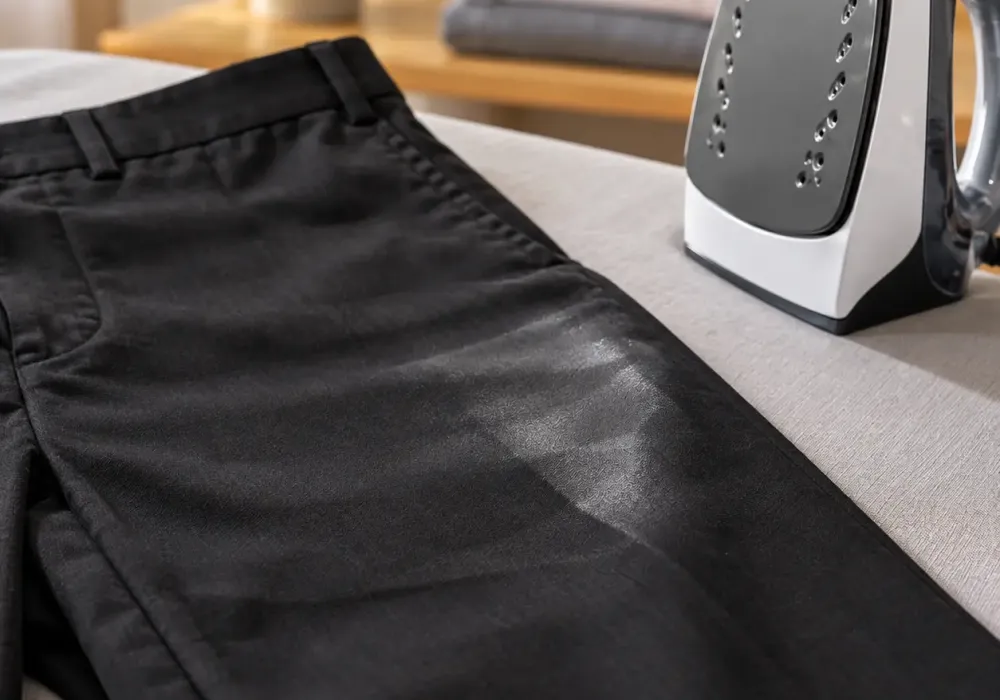
Have you ever finished ironing a favourite shirt, pair of trousers or suit and noticed a strange shiny patch on the fabric? These shiny iron marks on clothes can be frustrating, especially when the garment looked perfectly fine before ironing.
Iron shine usually appears when excessive heat or pressure affects the surface of the fabric. It can be more noticeable on dark-coloured clothing, wool, suit fabrics and some synthetic materials. In some cases, the mark may only affect the surface finish, while severe heat can cause permanent fabric damage.
If you are wondering how to get rid of shiny iron marks on clothes, the first thing to remember is that not every mark can be completely removed. The safest approach depends on the fabric, the severity of the mark and the garment's care instructions.
This guide explains what causes ironing marks, some methods people use to treat them, how to prevent further damage and when professional ironing or dry cleaning may be the better option.
Why Do Clothes Get Shiny Marks from Ironing?
Shiny marks from ironing can appear when too much heat or pressure is applied to the fabric. The ironing process can flatten the surface fibres, change the fabric’s finish, or leave visible shiny patches, especially on darker and delicate garments. Understanding what causes these marks can help you avoid iron shine on clothes and protect your garments during ironing.
Excessive Heat and Pressure Flatten Fabric Fibres
- High iron temperature: Excessive heat can affect the surface fibres of clothing and create a noticeable shine, particularly on heat-sensitive fabrics.
- Too much pressure: Pressing the iron firmly against the garment can flatten the fabric fibres. This can create shiny patches on clothes that are difficult to remove.
- Repeated ironing: Going over the same area several times can increase heat and pressure, making ironing marks on clothes more noticeable.
- Dark-coloured garments: Black, navy and other dark fabrics often show shiny marks from ironing more clearly because changes to the fabric surface are easier to see.
- Permanent fabric damage: If excessive heat has scorched or permanently altered the fibres, the shiny iron marks may not be completely reversible. In such cases, prevention is better than trying to repair the damaged fabric.
Some Fabrics Are More Sensitive Than Others
- Wool and suit fabrics: Tailored clothing and wool fabrics can develop iron shine on clothes when pressed with excessive heat or pressure. This is why suits and formal garments need careful ironing.
- Synthetic fabrics: Materials such as polyester can be sensitive to high temperatures. Incorrect ironing can affect the surface finish or even cause heat damage.
- Delicate fabrics: Silk and other delicate materials require extra care because unsuitable heat or ironing techniques can affect their appearance and texture.
- Dark and structured garments: Trousers, jackets and other structured clothing may show shiny marks on fabric more easily when the iron is pressed directly onto the surface.
- Following the care label: Always check the garment care label before ironing. It provides guidance on whether ironing is suitable and the recommended temperature, helping reduce the risk of clothes damaged by ironing.
Which Clothes Are More Prone to Shiny Iron Marks?
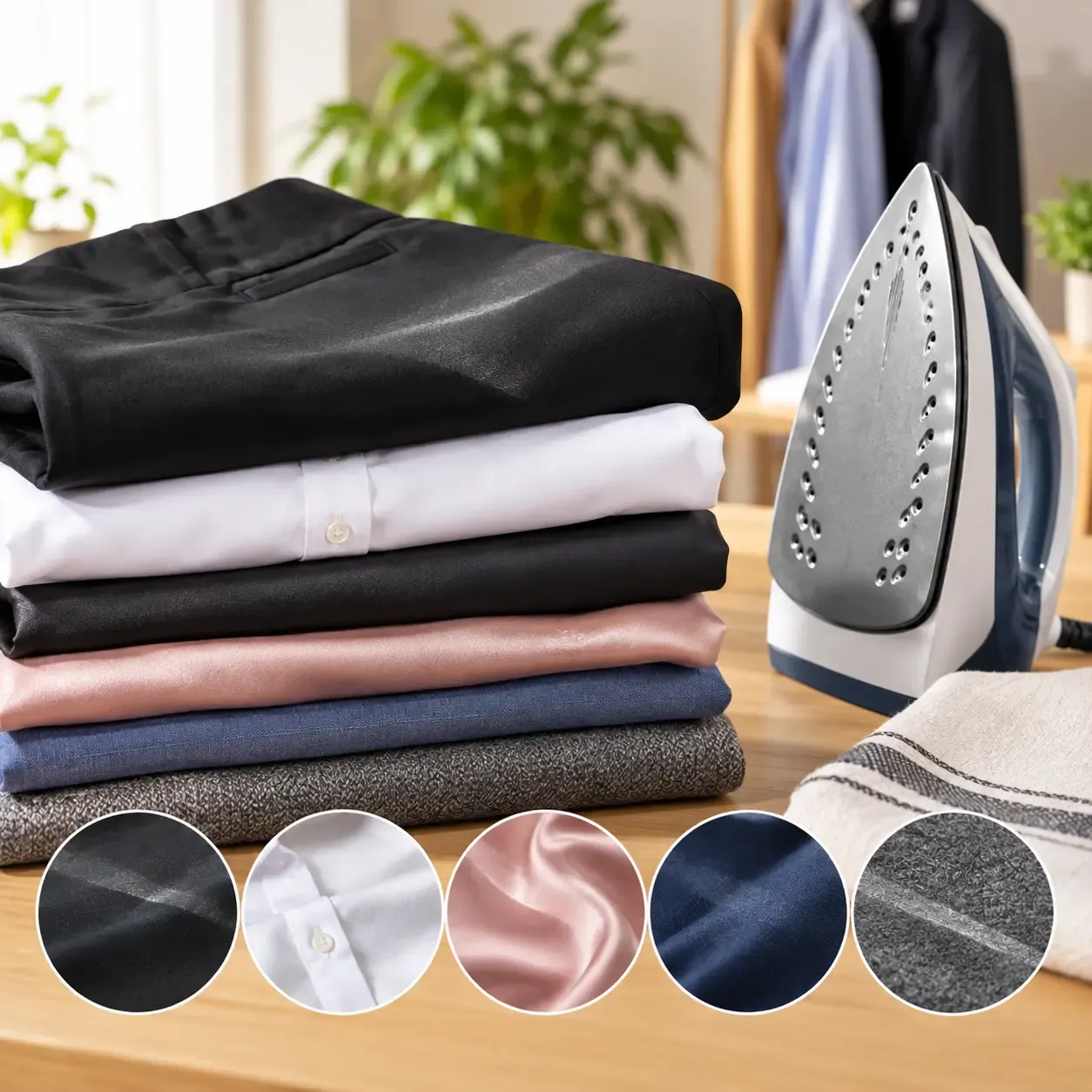
Although shiny ironing marks can occur on many garments, certain fabrics and colours can make them more noticeable.
1.Dark-Coloured Clothes
Black, navy and other dark-coloured garments can show iron shine particularly clearly. Even a small change in the surface of the fabric can create a visible contrast.
This is why dark trousers, jackets and formal clothing often need careful pressing.
2.Wool and Suit Fabrics
Wool and suit fabrics require careful garment care because excessive heat or pressure can affect their surface. Pressing directly and heavily on certain areas may leave a noticeable shine.
Structured garments also contain seams, pockets and shaped sections that require more careful handling than simple everyday clothing.
3.Synthetic and Heat-Sensitive Fabrics
Some synthetic fabrics can be particularly sensitive to high temperatures. Applying excessive heat may alter the surface or even cause damage.
Always follow the care label rather than assuming that a high temperature will produce better results.
4.Delicate Garments
Delicate clothing, luxury garments and garments with special finishes may need additional care when ironing. Decorative details, unusual fabric construction and sensitive fibres can make home pressing more complicated.
If you are unsure about the appropriate temperature or ironing method, professional ironing services care can help reduce the risk of an avoidable mistake.
How to Remove Shiny Marks on Clothes from Ironing Safely
If you are searching for how to remove shiny marks on clothes from ironing, you may find several home-treatment methods online. However, you should approach these techniques carefully.
Not every method is suitable for every fabric, and attempting to correct a heat-damaged garment with another treatment can sometimes make the problem worse.
Step 1. Try the Vinegar Steam Method First
A commonly suggested approach involves using diluted white vinegar with steam to relax affected fabric fibres. However, vinegar should not be treated as a universal solution for every garment.
Before attempting any treatment:
- Check the garment care label.
- Test the method on an inconspicuous area if appropriate.
- Avoid applying unsuitable liquids to fabrics that should not be exposed to them.
- Stop immediately if the fabric reacts badly.
This approach may help with some surface-level marks, but it cannot guarantee the removal of permanent heat damage.
Step 2. Use the Damp Cloth and Brush Technique
Another commonly suggested method involves placing a damp cloth over the affected area and gently brushing or working the fabric after applying controlled moisture.
The aim is to help the surface fibres recover rather than applying more direct heat.
However, delicate fabrics can react differently to moisture and brushing. Avoid vigorous rubbing, especially on wool, silk and other sensitive materials.
Step 3. Try the Sandpaper Trick for Heavier Fabrics
Some online guides recommend very fine sandpaper for certain heavy fabrics where a shiny surface has developed.
This method carries a significant risk because abrasion can remove or damage fibres. It should not be used casually on delicate, expensive or valuable clothing.
If the garment is a suit, tailored item or premium fabric, professional garment care is generally a safer choice than experimenting with abrasive methods.
Step 4. Steam It Without Direct Iron Contact
Steam can sometimes help relax fabric fibres without pressing the hot soleplate directly against the garment. However, the suitability of steam depends on the material and care instructions.
If the care label permits steaming, keep the process controlled and avoid excessive moisture or heat.
For valuable garments, it is better to avoid experimenting if you are unsure. Professional ironing can provide a more controlled approach to pressing and finishing garments according to their fabric requirements.
Step 5. Try a Gentle Lemon and Salt Method for Suitable Coloured Fabrics
Lemon juice and salt may help reduce minor iron marks on coloured clothes when used carefully on suitable fabrics. Mix a small amount of lemon juice with cold water and test the solution on a hidden area first to check for any colour change.
If the fabric reacts well, gently dab the diluted solution onto the affected area rather than rubbing it. You can then use a small amount of salt and rinse the garment with cool water. However, this method is not suitable for every fabric or dye, so delicate, valuable or heavily marked garments should be handled with extra care.
How to Prevent Shiny Iron Marks When Ironing Clothes
Preventing shiny iron marks on clothes is usually easier than trying to correct them afterwards. The right temperature, gentle pressure and suitable ironing technique can help protect the fabric surface.
1. Follow the Garment Care Label
The care label should be your starting point before ironing any garment. It provides information about whether the item can be ironed and, where applicable, the recommended heat setting.
Pay attention to:
- The maximum ironing temperature
- Whether steam is suitable
- Whether the garment should be ironed inside out
- Any warnings about direct heat
- Whether professional dry cleaning is recommended
Following these instructions can help prevent unnecessary heat damage and protect the garment's original finish.
2.Use the Correct Iron Temperature
Different fabrics require different temperatures. A high setting that works for a heavy cotton garment may be unsuitable for synthetic or delicate fabrics.
If you are unsure, choose the temperature according to the care label rather than increasing the heat to remove creases faster. Excessive heat is one of the common causes of shiny marks from ironing.
3.Avoid Excessive Pressure
You do not always need to press an iron firmly against the garment. Excessive pressure can flatten fabric fibres and create a shiny surface, particularly on dark clothing and suit fabrics.
Use controlled movements and avoid repeatedly pressing the same area. Pay extra attention to seams, pockets, collars and other structured sections.
4.Take Extra Care with Delicate Fabrics
Wool, synthetic materials, silk and other delicate fabrics can require more careful handling. If a garment is valuable or has a special finish, avoid experimenting with high heat or unfamiliar ironing techniques.
Professional garment care can be a useful alternative when you are unsure how to safely press a delicate item.
When Should You Choose Professional Ironing or Dry Cleaning?
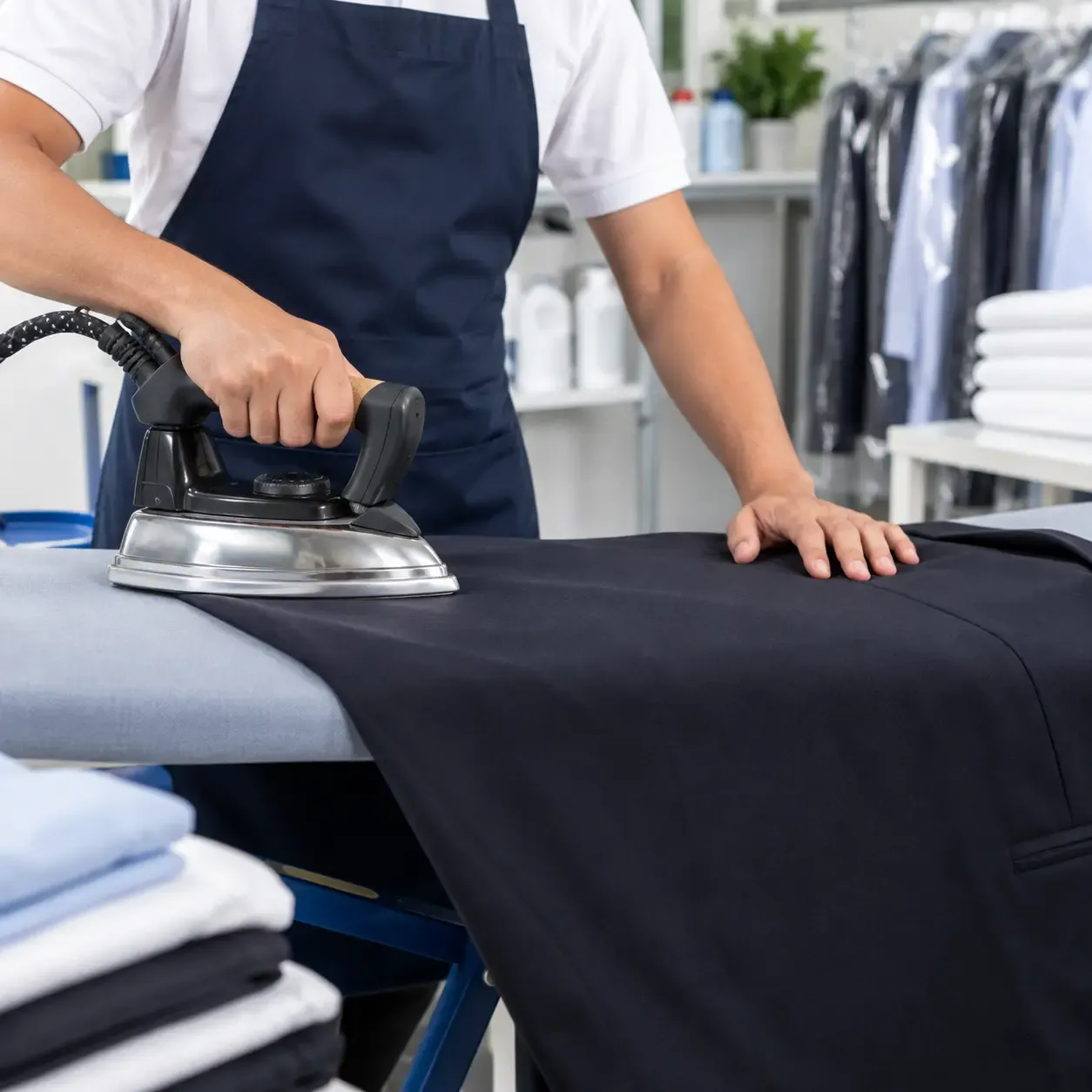
Not every garment needs professional care, but some clothes are better handled by an experienced laundry and dry-cleaning service. Choosing professional care can help you avoid mistakes when a garment has specific cleaning or pressing requirements.
Delicate or High-Value Fabrics
Expensive suits, silk garments, wool clothing and other delicate fabrics can be difficult to iron correctly at home. Incorrect heat or pressure may affect their appearance.
Professional garment care takes the material and care instructions into consideration before cleaning or finishing the garment.
Structured or Tailored Garments
Tailored jackets, trousers and other structured clothing contain seams, pleats, linings and shaped sections that require careful pressing.
Professional ironing can help give these garments a neat finish while reducing the risk of unnecessary pressure or excessive heat.
Stubborn Stains Combined with Fabric Sensitivity
A garment with both a stain and a delicate fabric requires additional consideration. Trying to remove the stain at home and then applying heat can sometimes make the situation worse.
If you are unsure how to treat the garment, professional dry cleaning may be more suitable, particularly when the care label recommends it.
Time Constraints or Bulk Loads
Ironing a large amount of clothing can take considerable time, especially when garments need different temperatures or careful handling.
A professional laundry service can make garment care more convenient when you have a busy schedule or a large amount of clothing that needs cleaning and finishing.
Why Choose BandBox Laundry for Ironing Services?
At BandBox Laundry, we understand that different garments require different approaches to ironing and garment care. Our ironing service is designed to help customers keep their clothing neat, fresh and ready to wear without having to manage every garment at home.
Professional ironing can be particularly useful for:
- Everyday clothing that needs a neat finish
- Formal and tailored garments
- Delicate clothing requiring careful handling
- Larger loads of ironing
- Garments that need professional finishing after cleaning
We also provide professional dry-cleaning services and cloth alterations when the garment's care label requires a suitable dry-cleaning method.
For customers in Manchester, BandBox Laundry offers free collection and delivery within 48 hours, with same-day service available when required. This makes it easier to manage regular clothing care alongside work, family and other daily responsibilities.
Frequently Asked Questions About Shiny Iron Marks
Can You Get Rid of Shiny Iron Marks on Clothes?
Some shiny marks may be reduced if they are caused by surface fibres being flattened. However, if excessive heat has permanently damaged the fibres, the mark may not be completely reversible. The result depends on the fabric and severity of the damage.
Is It Safe to Iron Dark-Coloured or Synthetic Fabrics at Home?
Yes, provided the garment's care label allows ironing and you use the correct temperature and technique. Dark-coloured and synthetic fabrics can show heat or pressing marks more easily, so avoid excessive heat and pressure.
Can Ironing Permanently Damage Clothes?
Yes. Excessive heat or pressure can cause permanent changes to some fabrics. Severe heat may scorch the material, alter its colour or permanently affect the fabric fibres. Always follow the care label and use an appropriate ironing temperature.
Does Sprinkling Water on Clothes Before Ironing Help Prevent Shiny Marks?
Lightly dampening some suitable fabrics can make ironing easier, but it does not guarantee protection from shiny marks. Excessive moisture, heat or pressure can still affect the fabric. Follow the garment's care instructions and avoid using water on materials where the care label advises against it.
Disclaimer:
The information in this article is provided for general information purposes only. Cleaning results may vary depending on the garment, fabric, stain, and cleaning method used. Always follow the garment's care label and seek professional cleaning for delicate or valuable items. BandBox Laundry accepts no liability for any loss or damage resulting from the use of the information provided.