How to Wash Workout Clothes and Keep Them Fresh for Longer
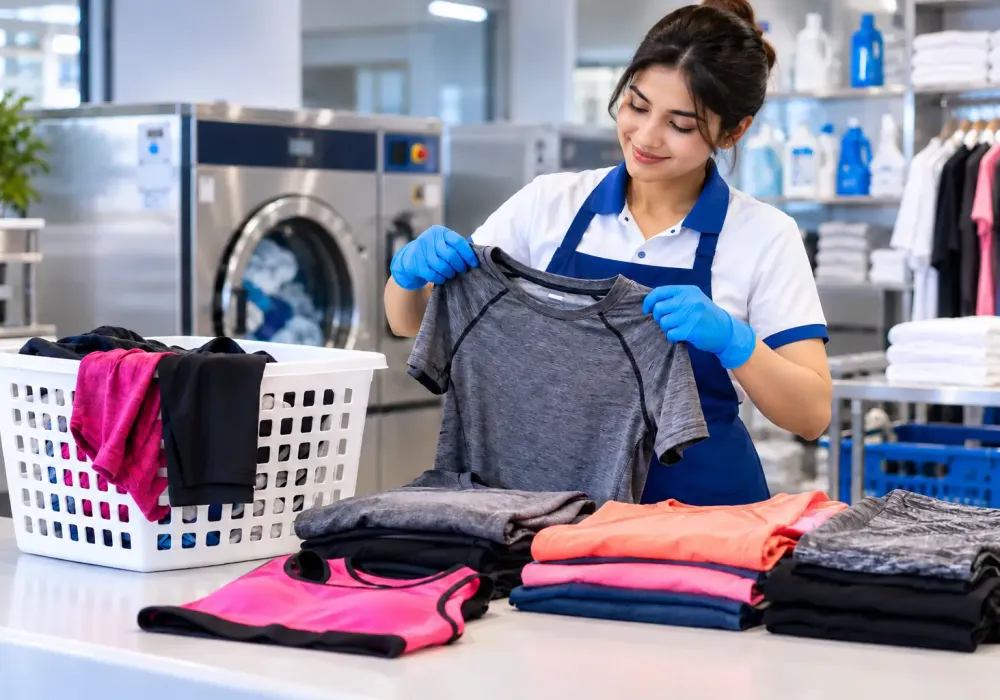
Workout clothes go through a lot more than everyday clothing. During exercise, activewear absorbs sweat, body oils and moisture, while synthetic fabrics can hold onto unpleasant odours. If you leave sweaty gym clothes in a bag or wash them incorrectly, they can start smelling even after cleaning.
Knowing how to wash workout clothes properly can help maintain their freshness, shape and fabric quality. It can also help you avoid common washing mistakes that affect sportswear.
Whether you wear gym clothes several times a week or have a large collection of workout clothing, understanding the right laundry routine makes a difference.
Why Do Workout Clothes Need Special Care?
Workout clothes often use stretch, moisture-wicking and synthetic fabrics designed to handle movement and perspiration. These materials need suitable care to maintain their performance and appearance.
Sweat and Body Oils
During exercise, sweat and body oils transfer onto your clothing. If you leave sweaty clothes in a gym bag or laundry basket for too long, these residues can build up in the fabric.
Regular washing helps remove everyday sweat and body oils. For heavily used sportswear, however, a suitable workout clothes washing routine becomes particularly important.
Unpleasant Odours
One of the most common problems with gym wear is lingering odour. You may wash your workout clothes and still notice a smell afterwards.
This can happen when sweat, body oils and other residues remain trapped within the fibres. Some synthetic fabrics can also retain odours more easily than natural fabrics.
To keep workout clothes fresh, avoid leaving damp sportswear in a closed gym bag after exercising.
Bacteria Build-Up
Sweaty clothing creates a warm and damp environment where microorganisms can multiply. Wearing the same unwashed gym clothes repeatedly can increase the build-up of sweat, oils and microbes.
Washing workout clothes after use, particularly after heavy exercise, helps maintain better clothing hygiene.
Skin Irritation and Infections
Wearing damp or heavily soiled workout clothing repeatedly can contribute to skin irritation. Friction, sweat and trapped moisture can make the skin uncomfortable, particularly during longer workouts.
Clean, dry gym clothing helps reduce prolonged contact with sweat and accumulated residue. If you experience ongoing skin problems, speak with a suitable healthcare professional rather than relying on laundry changes alone.
Frequent Washing Can Affect the Fabric
Although regular washing is important, incorrect washing can also affect activewear. Excessive heat, harsh products and unsuitable drying methods may affect stretch, colour or fabric performance.
Following the care label helps you balance cleanliness with proper fabric care.
What Can Damage Workout Clothes During Washing?
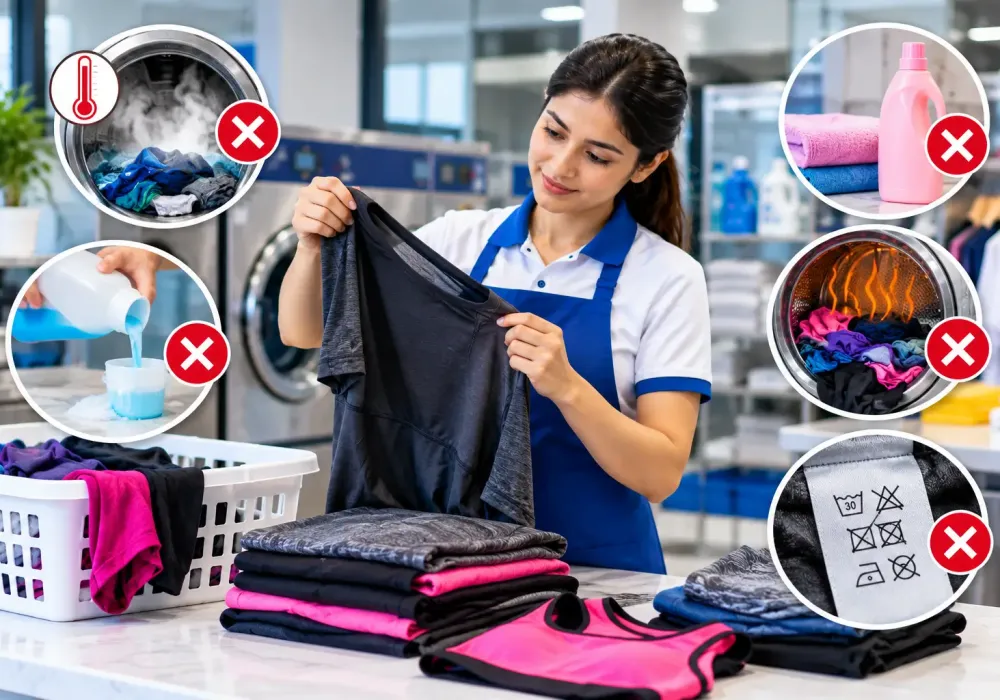
Knowing what not to do is an important part of learning how to wash workout clothes. A few common laundry mistakes can shorten the useful life of activewear.
Washing With Excessive Heat
High temperatures can affect certain synthetic and stretch fabrics. They may also affect elastic fibres used in sportswear.
Always check the care label and choose the recommended temperature rather than automatically using a hot wash.
Using Too Much Detergent
More detergent does not necessarily mean cleaner gym clothes. Excess detergent can leave residue on fabric, which may affect freshness and make some garments feel less comfortable.
Use the amount recommended for your load and detergent type.
Using Fabric Conditioner
Fabric conditioner may affect the moisture-wicking properties of some sportswear fabrics. These garments rely on their fabric structure to move moisture away from the skin.
For this reason, check the manufacturer's instructions before using fabric conditioner on workout clothing.
Incorrect Drying
Drying can be just as important as washing. Excessive heat from a tumble dryer may affect elastic and synthetic materials.
Where the care label allows, air drying can be a gentler option for many workout garments.
Ignoring the Care Label
Every workout garment may have different cleaning requirements. Before washing, check the care label for information about:
- Recommended temperature
- Machine or hand washing
- Drying instructions
- Ironing restrictions
- Product or cleaning limitations
Following these instructions can help protect your sportswear while maintaining its appearance.
How Often Should You Wash Workout Clothes?
The right washing frequency depends on how much you sweat, the type of exercise you do and the fabric of your workout clothing. As a general rule, clothes worn directly against sweaty skin should be cleaned regularly rather than worn repeatedly without washing.
Wash After Sweaty Workouts
If your workout leaves your clothes noticeably sweaty or damp, wash them after use. This is particularly important for:
- Gym tops and T-shirts
- Sports bras
- Leggings
- Base layers
- Workout shorts
Washing them promptly can help reduce sweat build-up and lingering odours.
Consider the Type of Exercise
The amount of sweat produced during exercise can vary. A light stretching session may leave your clothing relatively dry, while running, cycling or intense gym training can result in considerably more sweat.
Consider how much moisture and body oil the garment has absorbed when deciding whether it needs washing.
Do Not Reuse Heavily Sweated Clothes
Reusing heavily sweaty gym clothes can allow odours and residues to build up further. If clothing feels damp or smells strongly after a workout, put it into your laundry rather than wearing it again.
Consider the Fabric and Clothing Type
Different materials can need different levels of care. Moisture-wicking sportswear, synthetic fabrics and stretch garments may require specific washing instructions.
Always check the care label before choosing a washing temperature or cleaning method.
Give Heavily Used Sportswear Extra Care
If you train frequently, your workout wardrobe may go through regular washing cycles. Avoid using excessive heat or harsh cleaning methods simply because the garments are heavily used.
A consistent sportswear washing routine can help keep your workout clothing clean while protecting the fabric.
When Is Home Washing Not Enough for Workout Clothes?
Home washing works well for many everyday gym clothes, but it may not always be convenient or effective for every situation.
When You Do Not Have Time
Regular workouts can quickly create a large amount of laundry. Washing, drying and organising workout clothing after several training sessions can become another task to manage.
A professional workout clothes laundry service can make regular clothing care more convenient.
When You Have a Large Amount of Sportswear
People who train frequently, participate in sports or manage multiple workout outfits may have a significant amount of sportswear to clean.
A professional laundry service can help manage larger loads while giving different garments appropriate care.
When Sweat Stains Become Difficult to Remove
Persistent sweat marks can become more noticeable over time, particularly around collars, underarms and other areas that experience frequent contact with the skin.
If normal washing does not improve the appearance, avoid repeatedly using harsh products. Professional garment cleaning may be worth considering.
When Clothes Still Smell After Washing
If your gym clothes still smell after washing, the problem may relate to trapped sweat, body oils, detergent residue or the characteristics of the fabric.
When repeated home washing does not solve the problem, professional cleaning can provide another option.
How Can Professional Laundry Care Help With Workout Clothes?
Professional cleaning can be useful when you need regular care for sportswear but do not have the time or equipment to manage larger laundry loads yourself.
Care for Different Workout Fabrics
Workout clothing can include polyester, nylon, elastane and other technical fabrics. Different materials may have different care requirements.
At BandBox Laundry, we consider the garment and its care instructions when handling suitable workout clothing, rather than treating every item in exactly the same way.
Separate Heavily Sweated Sportswear
If workout clothing has significant sweat, odour or staining, it may need additional attention during the cleaning process. Separating suitable garments and considering their condition can help provide more appropriate laundry care.
A 100% Non-Toxic Cleaning Process
BandBox Laundry uses a 100% non-toxic cleaning process as part of its garment care approach. This provides a professional option for customers who want convenient laundry care for their workout clothing.
Convenient Same-Day Service
If you have a busy schedule, waiting several days for your workout clothes may not be practical. BandBox Laundry offers same-day service, along with free collection and delivery within 48 hours.
For customers looking for workout clothes washing in Manchester, professional laundry collection and delivery can make regular sportswear care easier.
Frequently Asked Questions About Washing Workout Clothes
Should You Use Fabric Softener on Workout Clothes?
It is generally better to check the care label and manufacturer's instructions before using fabric softener. Some sportswear fabrics rely on their moisture-wicking properties, which fabric conditioner may affect.
What Is the Best Temperature for Washing Workout Clothes?
There is no single temperature that suits every workout garment. Check the care label and use the recommended temperature. Avoid choosing a high temperature simply because the clothes are heavily soiled.
Can I Wash All My Gym Clothes Together?
Not necessarily. Check the colours, fabrics and care instructions before combining garments. Separating heavily soiled items or garments with different washing requirements can help provide better clothing care.
Wash workout clothes in hot or cold?
Cold or lower-temperature washing can be suitable for many workout garments, but the care label should always guide your choice. The correct temperature depends on the fabric and manufacturer's instructions.
How Often Should You Wash Gym Clothes?
Wash gym clothes after sweaty workouts, particularly garments worn directly against your skin. If an item remains relatively clean and dry after light activity, its washing needs may differ.
Why Do Gym Clothes Still Smell After Washing?
Sweat, body oils, detergent residue and odour trapped in synthetic fibres can contribute to lingering smells. Leaving damp clothes in a gym bag can also make the problem worse.
Conclusion
Knowing how to wash workout clothes properly can help you maintain their freshness, appearance and fabric quality. Washing sweaty clothing regularly, avoiding excessive heat, following the care label and using suitable laundry products can all support better workout clothing care.
However, regular sportswear washing can become time-consuming, particularly for people who exercise frequently or have large amounts of gym clothing. When home washing does not remove persistent odours or stains, or when you simply do not have enough time for regular laundry, professional cleaning can be a convenient alternative.
For customers in Manchester, BandBox Laundry provides professional laundry and garment cleaning services, with free collection and delivery within 48 hours and same-day service available. This makes it easier to keep your workout clothes clean, fresh and ready for your next session.
Disclaimer:
The information in this article is provided for general information purposes only. Cleaning results may vary depending on the garment, fabric, stain, and cleaning method used. Always follow the garment's care label and seek professional cleaning for delicate or valuable items. BandBox Laundry accepts no liability for any loss or damage resulting from the use of the information provided.