How to Wash Sports Kits Without Damaging the Fabric
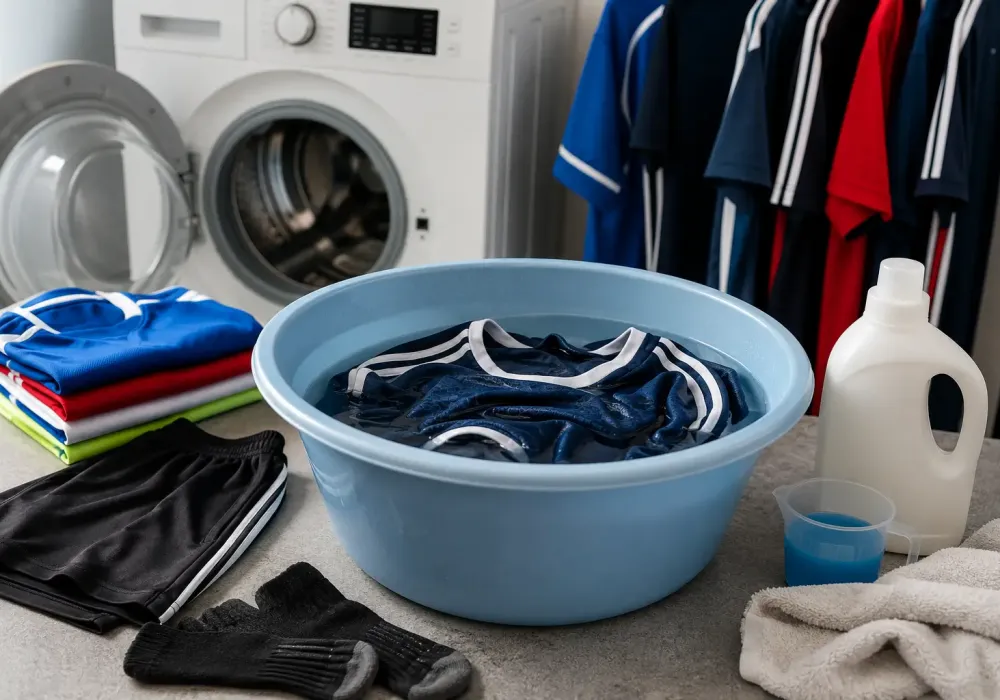
Every training session, football match, gym workout, or sports event puts your sports kit through a lot. Sweat, mud, grass stains, bacteria, and repeated washing can quickly affect the look and performance of your sportswear. While many people simply throw their football shirts or sports jerseys into the washing machine after every game, using the wrong washing method can shorten the life of the fabric and even damage printed names, numbers, and club badges.
If you're searching for how to wash sports kits, you're probably looking for a way to keep your sportswear clean without ruining its quality. The good news is that most sports kits can be safely washed at home when you follow the correct care routine. Small changes, such as choosing the right wash cycle or avoiding fabric softener, can make a big difference.
Why Sports Kits Wear Out Faster Than Everyday Clothes
Unlike everyday clothing, sports kits are built for performance. Whether it's a football shirt, rugby jersey, cricket whites, running gear, or gym wear, these garments are made from lightweight performance fabrics that help move sweat away from your skin and keep you comfortable during exercise.
Although these fabrics improve performance, they also require proper care.
Every time you train or compete, your sports kit absorbs sweat, body oils, bacteria, mud, and dust. If these are not removed correctly, they remain trapped inside the fabric. Over time, this build-up can lead to unpleasant odours, faded colours, and sportswear that no longer feels fresh, even after washing.
Another reason sports kits wear out faster is frequent washing. Many athletes wash their football shirts or sports uniforms after every use, which is the right thing to do. However, washing them incorrectly—using hot water, harsh detergents, or high-heat drying—can weaken synthetic fibres and reduce the effectiveness of moisture-wicking materials.
Printed player names, sponsor logos, and heat-pressed numbers are also vulnerable. Repeated exposure to high temperatures and rough washing cycles can cause these details to crack, peel, or lose their appearance over time.
The Biggest Washing Mistakes That Ruin Sports Kits

Many sports kits become damaged because of simple washing habits that people don't realise are harmful. Avoiding these common mistakes will help keep your sportswear looking newer for longer.
1. Using Hot Water for Every Wash
Hot water may seem like the best way to remove sweat and dirt, but it's not always the safest choice for sportswear washing.
Most modern sports kits are made from synthetic fabrics that perform best when washed in cold or cool water. High temperatures can weaken fibres, reduce elasticity, and fade bright colours.
Unless the care label recommends otherwise, a cool wash is usually the safest option.
2. Leaving Sweaty Sports Kits in Your Bag
One of the biggest causes of unpleasant smells isn't the washing machine—it's leaving damp sportswear inside your sports bag.
After training or a match, sweat and moisture create the perfect environment for bacteria to grow. Even if you wash the kit later, those bacteria can leave behind lingering odours that become difficult to remove.
If you can't wash your sports kit immediately, take it out of your bag as soon as possible and allow it to air out before washing.
3. Using Fabric Softener
Fabric softener makes everyday clothing feel softer, but it isn't designed for technical sports fabrics.
It leaves a coating on the fibres that reduces breathability and affects how well moisture-wicking materials perform during exercise.
If you want your football shirt or gym wear to continue performing as designed, it's better to skip the fabric softener altogether.
4. Drying Sportswear on High Heat
Many people use a tumble dryer because it's quick and convenient.
Unfortunately, excessive heat can shrink synthetic fabrics and damage printed names, squad numbers, and sponsor logos. Over time, repeated high-heat drying can also reduce the flexibility of performance fabrics.
Whenever possible, allow your sports kits to air dry naturally in a well-ventilated area.
5. Ignoring the Care Label
Every sports brand uses slightly different materials and printing techniques.
Taking a few seconds to read the care label before washing helps you choose the correct water temperature, drying method, and washing instructions.
Following these recommendations is one of the easiest ways to extend the life of your sports kit.
The Best Way to Wash Football Shirts, Sports Jerseys and Team Kits
Looking after your sportswear doesn't have to be complicated. Following a simple routine after every match or training session helps remove sweat, dirt, and bacteria while protecting the fabric and printed details.
1. Separate Muddy Sportswear Before Washing
If your football shirt or rugby jersey is covered in mud, don't place it straight into the washing machine with the rest of your laundry.
Allow heavy mud to dry first, then gently shake or brush away as much dirt as possible. This helps prevent mud from spreading onto other garments during the wash.
Keeping heavily soiled sportswear separate also allows the washing machine to clean each garment more effectively.
2. Treat Grass Stains Before They Set
Grass stains are one of the most common problems for football players, rugby teams, and young athletes.
Instead of immediately increasing the wash temperature, apply a small amount of gentle detergent directly to the stain and allow it to sit for a few minutes before washing.
This simple step often improves stain removal without exposing the fabric to unnecessary heat or harsh chemicals.
For stubborn stains that remain after washing, avoid repeatedly running the garment through multiple wash cycles. Repeated washing may weaken the fabric without completely removing the stain.
3. Choose the Right Wash Cycle
Selecting the correct wash cycle is just as important as choosing the right detergent.
Most football shirts, sports jerseys, and performance clothing benefit from a gentle or synthetic cycle using cold or cool water.
Avoid overloading the washing machine. Giving sportswear enough room allows water and detergent to circulate properly, resulting in a better clean while reducing unnecessary friction between garments.
4. Use the Correct Amount of Detergent
Adding extra detergent won't make sports kits cleaner.
In fact, too much detergent often leaves residue inside the fabric. This build-up can trap bacteria and contribute to unpleasant odours even after washing.
Using the recommended amount of a gentle detergent helps clean your sportswear effectively while maintaining the performance of the fabric.
5. Air Dry for Better Fabric Performance
The final step is often the most overlooked. Once your sports kit has finished washing, reshape the garment and allow it to dry naturally.
Air drying helps protect elastic fibres, printed logos, embroidered badges, and moisture-wicking materials from unnecessary heat damage. It also helps sportswear maintain its fit and performance over time.
A few simple washing habits can make a significant difference to the life of your sports kit. However, washing alone isn't always enough. Some problems, such as persistent odours, grass stains that won't disappear, or fading printed graphics, require a different approach. In the next section, we'll look at how to keep sports kits looking new for longer, why some sportswear continues to smell even after washing, and when professional sports kit cleaning can help restore freshness and extend the life of your favourite gear.
How to Keep Sports Kits Looking New for Longer
Buying a quality football shirt, rugby jersey, or training kit is an investment. Whether it's your favourite club shirt or your child's weekly sports uniform, proper care helps maintain its appearance and performance throughout the season.
One of the easiest ways to protect your sports kit is to wash it as soon as possible after use. Sweat, dirt, and bacteria become harder to remove the longer they stay in the fabric.
Turning sports shirts inside out before washing also helps protect printed names, sponsor logos, and squad numbers from unnecessary friction during the wash cycle.
When drying your sportswear, choose a well-ventilated area instead of placing it on a radiator or using a high-temperature tumble dryer. Excessive heat can weaken synthetic fibres and reduce the flexibility of performance fabrics.
Another good habit is storing sports kits only after they are completely dry. Folding damp clothing into a sports bag or cupboard encourages bacteria and mould growth, leading to unpleasant smells that become more difficult to remove.
Small habits like these not only improve the appearance of your sportswear but also help extend the life of your football shirts, sports jerseys, gym wear, and team uniforms.
Why Sports Kits Still Smell After Washing
Have you ever washed your sports kit only to notice that it still smells fresh out of the washing machine? This is one of the most common complaints among athletes, parents, and sports clubs. The reason is simple.
Modern sportswear is made from synthetic performance fabrics that are excellent at moving moisture away from the body. However, these same fibres can also trap bacteria, body oils, and detergent residue if they're not cleaned properly.
Over time, these build-ups create unpleasant odours that ordinary washing may not completely remove.
Several habits can make the problem worse:
- Leaving sweaty sportswear in your gym bag.
- Using too much detergent.
- Washing at unsuitable temperatures.
- Overloading the washing machine.
- Not allowing garments to dry completely before storing them.
If your football shirts or gym clothes continue to smell after repeated washing, increasing the wash temperature isn't always the answer. In many cases, excessive heat may reduce the lifespan of the fabric without solving the underlying problem.
Instead, focus on proper washing techniques and regular care to keep sportswear fresh throughout the season.
When Regular Washing Isn't Enough
Regular home washing is the best way to care for most sports kits. In fact, washing your football shirt or sports uniform after every match or training session helps maintain hygiene and keeps the fabric performing well.
However, there are situations where home washing may no longer deliver the results you expect.
For example:
- Sweat odours that remain after several washes.
- Deep grass or mud stains.
- White cricket kits that have become dull over time.
- Sportswear with delicate printed names and sponsor logos.
- Team uniforms that require frequent cleaning throughout the season.
- Schools, academies, gyms, and sports clubs managing large quantities of sportswear every week.
Instead of repeatedly washing garments with stronger detergents or higher temperatures, professional care often becomes the safer and more effective solution.
Why Sports Clubs and Families Trust BandBox Laundry

Keeping sports kits clean every week takes time, especially when you're washing multiple football shirts, rugby kits, gym wear, or school sports uniforms.
At BandBox Laundry, we provide a professional Sports Kit Cleaning Service in Manchester designed for individuals, families, schools, academies, and local sports clubs.
Our experienced team understands how different performance fabrics respond to cleaning and uses suitable methods to help remove stubborn dirt, sweat, and odours while protecting colours, printed logos, and team branding.
Whether you need one football shirt cleaned or regular laundry support for an entire team, professional sports kit cleaning saves valuable time and helps keep every kit fresh, hygienic, and ready for the next match.
If your sportswear needs more than a standard wash, our professional sports kit cleaning service in Manchester offers a convenient solution with expert care for every garment.
Frequently Asked Questions
Can football shirts be washed in a washing machine?
Yes. Most football shirts can be machine washed using a gentle cycle with cold or cool water. Always check the manufacturer's care label before washing.
Should sports kits be washed inside out?
Yes. Turning sports kits inside out helps protect printed names, numbers, sponsor logos, and club badges during washing.
How often should sports kits be washed?
Sports kits should be washed after every match, training session, or workout to remove sweat, bacteria, and dirt before they build up inside the fabric.
Can I use fabric softener on sportswear?
No. Fabric softener may reduce the effectiveness of moisture-wicking fabrics by coating the fibres and affecting breathability.
Why do football shirts lose their print?
Repeated exposure to high temperatures, rough washing cycles, and tumble drying can cause printed names and logos to crack or peel over time.
How do I remove bad smells from sports kits?
Wash sportswear as soon as possible after use, avoid leaving damp clothing in your sports bag, and use the correct amount of gentle detergent. If odours continue after repeated washing, professional cleaning may help remove deep-seated bacteria and residue.
Keep Your Sports Kits Match-Ready with BandBox Laundry
Looking after your sports kit is about more than removing visible dirt. The right washing habits help protect performance fabrics, maintain vibrant colours, preserve printed names and logos, and keep sportswear comfortable throughout the season.
While regular home washing is ideal for everyday care, stubborn stains, lingering odours, and large volumes of team laundry often require specialist attention.
At BandBox Laundry, we provide reliable Sports Kit Cleaning in Manchester for individuals, families, schools, academies, and sports clubs. Whether you need help with one football shirt or an entire team's sportswear, our experienced team is here to keep your kits fresh, hygienic, and ready for every training session and match.
Disclaimer:
The information in this article is provided for general informational purposes only. Cleaning results may vary depending on the garment, fabric, stain, and cleaning method used. Always follow the care label and seek professional cleaning for delicate or valuable items. BandBox Laundry accepts no liability for any damage resulting from the use of the information provided.