How to Wash Delicate Lace Garments Without Damaging Their Design
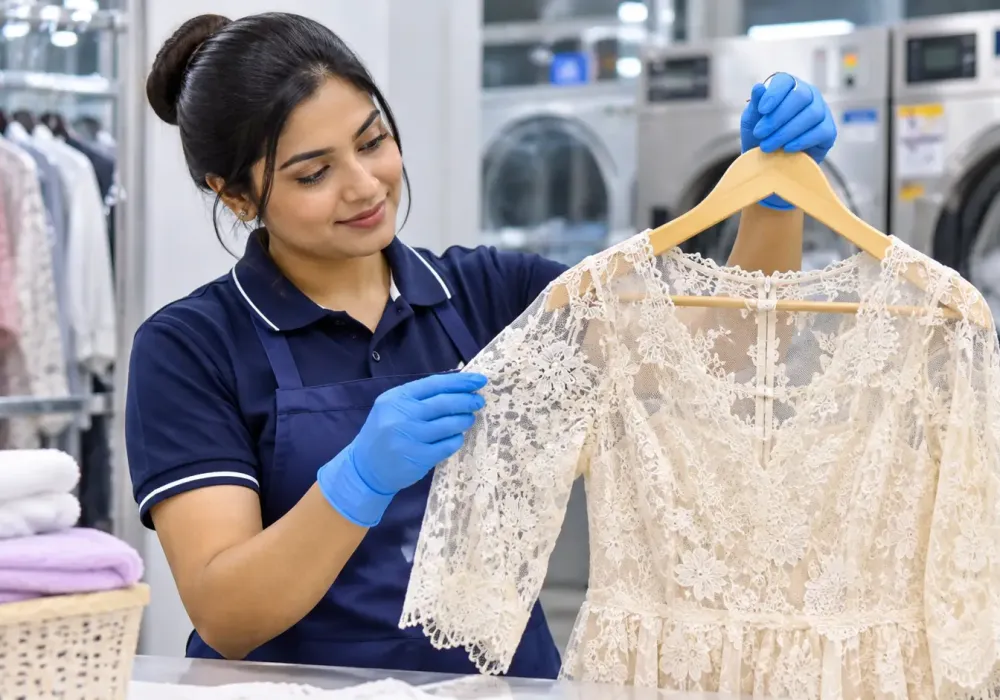
Lace garments add elegance and detail to everyday outfits and special occasion clothing. However, their intricate patterns, fine threads and delicate construction make them more sensitive to washing than many regular clothes. Incorrect cleaning methods can cause lace fibres to stretch, tear, lose their shape or become tangled.
Knowing how to wash lace clothes properly helps protect their appearance and extend their lifespan. Whether you own a cotton lace top, a delicate lace dress or an embroidered garment, the right cleaning approach depends on its fabric composition and care instructions.
Before washing delicate lace garments, it is important to understand the different types of lace and how each material responds to cleaning.
Understanding Different Types of Lace Fabric and Their Care Requirements
Not all lace fabrics have the same construction. Some use natural fibres, while others contain synthetic materials or stretch fibres. Understanding these differences helps you choose a suitable cleaning method and avoid unnecessary fabric damage.
Cotton and Natural Fibre Lace
Cotton lace and other natural fibre lace fabrics often have a soft texture and intricate woven patterns. Although cotton can be durable, delicate lace designs may become damaged through rough handling, excessive rubbing or unsuitable washing temperatures.
When caring for natural fibre lace:
- Check the care label before washing.
- Use a suitable mild detergent.
- Avoid vigorous scrubbing or twisting.
- Follow the recommended water temperature.
- Handle wet lace carefully to prevent stretching.
Older cotton lace may need additional attention because its fibres can become fragile over time.
Synthetic Lace: Nylon and Polyester
Nylon and polyester lace are common in dresses, tops, lingerie and decorative clothing. These synthetic fibres can offer greater durability than some natural lace materials, but their intricate construction still requires careful handling.
Use a suitable washing method based on the garment's care instructions. Avoid excessive heat during washing, drying and ironing, as high temperatures can affect the fabric's appearance and structure.
Stretch Lace and Elastane Blends
Stretch lace contains elastic fibres such as elastane, which allow the fabric to expand and return to its original shape. You may find this material in fitted dresses, lingerie and stretch tops.
To maintain its elasticity:
- Avoid hot water unless the care label permits it.
- Do not twist or wring the garment.
- Use a suitable gentle washing method.
- Keep it away from excessive heat during drying.
Incorrect cleaning can weaken elastic fibres and affect the garment's original fit.
Embroidered Lace and Decorative Designs
Some lace garments feature embroidery, beads, sequins or additional decorative details. These elements can become loose or damaged if you wash the garment too roughly.
Before cleaning, inspect the garment for loose threads, missing beads or damaged areas. Avoid rubbing directly over decorative sections and check whether the care label recommends professional cleaning.
Common Lace Cleaning Mistakes That Can Damage Delicate Garments
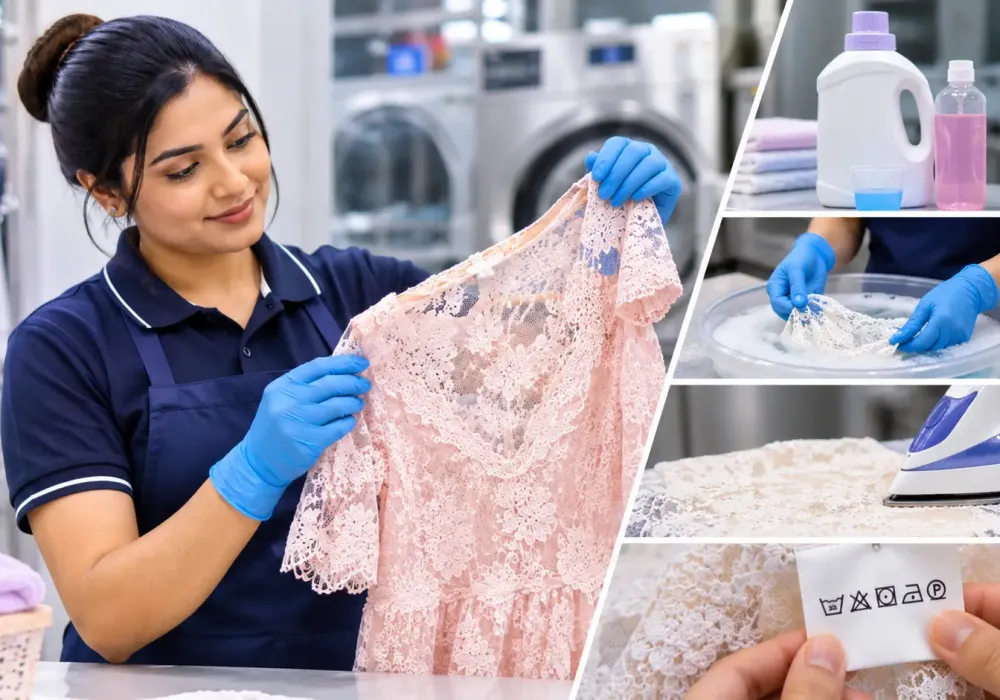
Even when you use a suitable detergent, certain washing habits can damage delicate lace. Understanding these common mistakes helps you protect intricate patterns and maintain the garment's appearance.
Using Harsh Detergents and Bleaching Products
Strong detergents and bleaching products may affect delicate fibres, cause colour changes or weaken certain materials.
Instead:
- Choose a mild detergent suitable for delicate clothing.
- Avoid bleach unless the garment's care instructions specifically allow it.
- Follow the recommended detergent quantity.
- Rinse thoroughly to remove cleaning product residue.
Do not assume that a product suitable for ordinary cotton clothing will also work for every lace garment.
Excessive Rubbing and Rough Handling
Lace fabric contains fine threads that can catch, pull or break when handled roughly. Scrubbing stains aggressively or twisting the garment can damage its intricate design.
Use gentle movements when cleaning lace clothes. Pay particular attention to embroidered areas, seams and decorative details.
Applying High Heat During Drying and Ironing
Excessive heat can affect synthetic fibres, elastane blends and delicate decorative details. It may also change the texture or shape of some lace garments.
Avoid placing lace clothing in a high-temperature tumble dryer unless the care label specifically permits it. Follow the recommended drying and ironing instructions instead.
Overlooking Fabric Care Labels and Cleaning Restrictions
The care label tells you whether a garment is suitable for hand washing, machine washing or professional cleaning.
Before cleaning, check:
- Recommended washing temperature.
- Whether machine washing is permitted.
- Whether the garment requires professional dry cleaning.
- Instructions for drying and ironing.
- Any restrictions on detergents or bleaching products.
Following these instructions helps you choose the right cleaning method and reduces the risk of damaging delicate lace fibres.
Hand Washing Lace Garments: The Safest Approach for Delicate Fabrics
Hand washing is often a suitable option for delicate lace garments when the care label permits it. It gives you greater control over how you handle the fabric and helps reduce the friction caused by machine washing.
However, always check the manufacturer's instructions first, as some lace garments require professional cleaning.
Preparing the Right Water and Detergent
Start by filling a clean basin with cool or lukewarm water, depending on the garment's care instructions. Add a small amount of mild detergent suitable for delicate fabrics.
Keep these points in mind:
- Avoid hot water, particularly for delicate synthetic and stretch lace.
- Use the recommended amount of detergent.
- Make sure the detergent dissolves before adding the garment.
- Avoid bleach and strong cleaning products unless the care label permits them.
Using a suitable detergent helps clean the fabric without exposing delicate fibres to unnecessary chemical stress.
Cleaning Lace Without Disturbing Its Pattern
Place the lace garment gently into the water and allow it to become fully wet. Move it slowly through the water to loosen everyday dirt and light soiling.
Avoid scrubbing, pulling or rubbing the lace against itself. These actions can damage fine threads, loosen embroidery and affect intricate lace patterns.
If you notice a stain, do not scrub it aggressively. Check whether the fabric allows a suitable stain treatment before proceeding.
Removing Detergent Residue Through Gentle Rinsing
After cleaning, rinse the garment carefully with clean water until you remove the remaining detergent.
Detergent residue can affect the fabric's feel and appearance, so thorough rinsing is important. Avoid twisting or squeezing the lace to speed up the process.
Continue rinsing gently until the water runs clear and no visible detergent remains.
Handling Wet Lace to Prevent Fibre Damage
Wet lace can become more vulnerable to stretching and tearing, particularly when it contains delicate natural fibres or decorative details.
To remove excess water, follow these steps:
- Lift the garment carefully instead of pulling it from one section.
- Support its weight with both hands.
- Place it on a clean, soft towel.
- Gently press the towel to absorb excess moisture.
- Avoid twisting or wringing the garment.
This gentle approach helps protect the garment's construction and reduces unnecessary stress on its fibres.
Machine Washing Lace Clothing: When Is It Suitable?

ome modern lace garments can go into a washing machine, but this depends on their fabric composition and care label. Machine washing may be suitable for certain durable synthetic lace items, while vintage lace, delicate embroidery and heavily embellished garments may need specialist care.
If you are unsure about the right cleaning method, professional garment care can help you avoid unnecessary damage. At BandBox Laundry in Manchester, customers can enquire about suitable cleaning options for delicate lace garments based on their fabric and care requirements.
Protecting Delicate Designs with a Mesh Laundry Bag
If the care label permits machine washing, place the garment inside a mesh laundry bag before putting it into the drum.
A mesh bag helps reduce direct contact with other clothes, zips and fastenings. It can also help prevent delicate threads from catching during the wash.
Selecting the Appropriate Washing Programme
Choose a gentle or delicate washing programme if the garment's instructions allow machine washing.
A suitable programme reduces unnecessary movement and friction compared with a more intensive cycle. Avoid using a standard or heavy-duty programme for delicate lace without checking the manufacturer's recommendations.
Choosing a Suitable Detergent and Water Temperature
Use a mild detergent designed for delicate fabrics. Select the water temperature recommended on the care label.
Avoid assuming that cold water is always suitable or that warmer water will provide better cleaning. The correct temperature depends on the lace material and garment construction.
Managing Spin Settings and Load Size
A high-speed spin cycle may put unnecessary stress on delicate lace. Choose a lower spin setting or omit the spin cycle if the garment's care instructions recommend it.
Also, avoid overcrowding the washing machine. Give the garment enough space to move without becoming trapped or tangled with heavier clothing.
When Do Lace Garments Require Professional Cleaning?
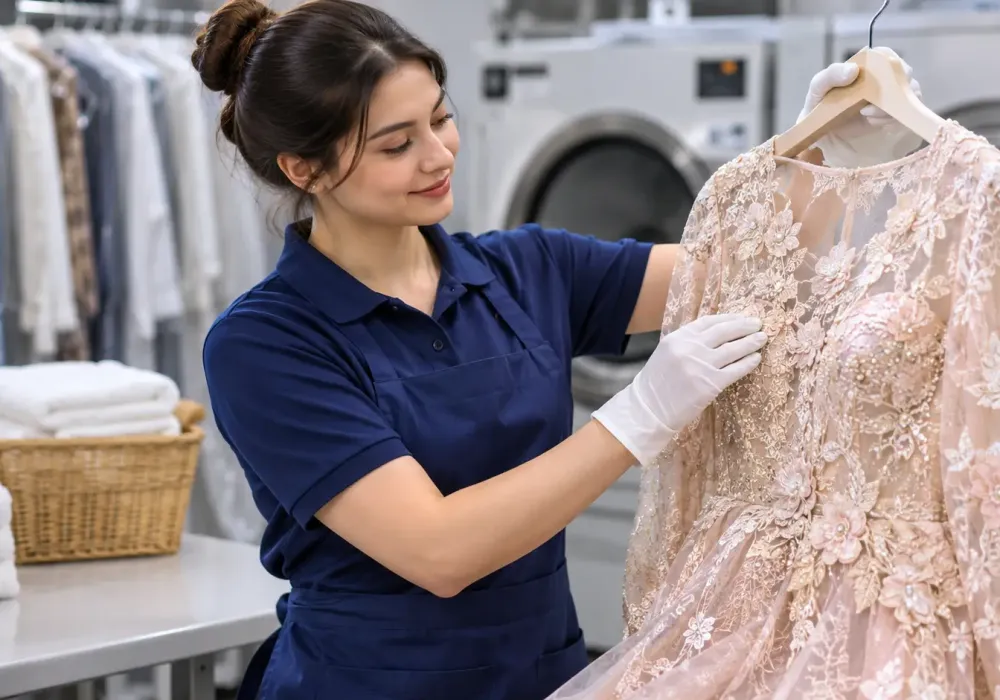
Some lace garments need more attention than everyday clothing. Their delicate fibres, decorative details and complex construction can make home washing risky.
Professional garment cleaning may be a suitable option when the care label recommends it or when the garment needs specialist attention.
Delicate Lace Dresses with Beads and Embellishments
Lace dresses featuring beads, sequins, embroidery or decorative stitching require careful handling. These details may loosen or become damaged during ordinary washing.
Check the care label and seek professional advice if you are unsure how to clean the garment safely.
Vintage Lace and Garments with Fragile Fibres
Vintage lace can become fragile through age, previous cleaning and regular use. Some older garments also contain natural fibres that need additional attention.
Avoid experimenting with strong detergents or home cleaning treatments. A professional assessment can help identify a suitable cleaning approach.
Persistent Stains on Intricate Lace Designs
Stains on lace fabric can be difficult to treat because dirt may settle between fine threads and decorative patterns.
Aggressive rubbing can damage the design. Professional advice may help determine whether a suitable stain treatment can address the mark without harming the garment.
Garments Requiring Specialist Cleaning Methods
Some lace garments have specific cleaning restrictions because of their fabric, lining, embellishments or construction.
If the care label recommends professional dry cleaning, follow those instructions rather than attempting an unsuitable home wash. A suitable professional cleaning method depends on the garment's individual requirements.
Frequently Asked Questions
Can Bleach Be Used to Whiten Yellowed Lace?
Avoid using ordinary bleach on delicate lace unless the manufacturer's care instructions specifically permit it. Bleach can weaken certain fibres, affect colours and damage decorative details. For vintage or valuable lace, seek professional advice before attempting to remove yellowing.
How Frequently Should Delicate Lace Garments Be Washed?
There is no fixed washing schedule for every lace garment. It depends on how often you wear it, the level of soiling and the fabric's care requirements.
Avoid unnecessary washing because repeated cleaning can put stress on delicate fibres. Clean garments when they need it and always follow the care label.
Can Old Stains Be Removed from Vintage Lace?
Some old stains may respond to suitable cleaning treatments, but results depend on the type of stain, age of the mark and condition of the lace. Vintage fibres can be fragile, so avoid aggressive rubbing or strong home remedies. Professional assessment is a safer starting point.
How Should Lace Garments with Beads or Sequins Be Cleaned?
First, check the care label and inspect the decorative details for loose threads or damaged sections. Avoid rough machine washing and do not pull at beads or sequins. If the garment requires professional cleaning, follow the manufacturer's instructions and consult a suitable garment care specialist.
Is Machine Washing Suitable for All Types of Lace?
No. Some modern synthetic lace garments may be machine washable, but vintage lace, delicate natural fibres and embellished garments may require hand washing or professional cleaning. Always check the care label before choosing a washing method.
Which Detergent Is Best for Delicate Lace Fabric?
A mild detergent suitable for delicate fabrics is generally a sensible choice when the care label permits washing. Avoid harsh cleaning products and excessive detergent. For garments requiring professional cleaning, follow the recommended care method instead of using household laundry detergent.
Disclaimer:
The information in this article is provided for general information purposes only. Cleaning results may vary depending on the garment, fabric, stain, and cleaning method used. Always follow the garment's care label and seek professional cleaning for delicate or valuable items. BandBox Laundry accepts no liability for any loss or damage resulting from the use of the information provided.