How to Clean a Pleather or Faux Leather Jacket Without Peeling
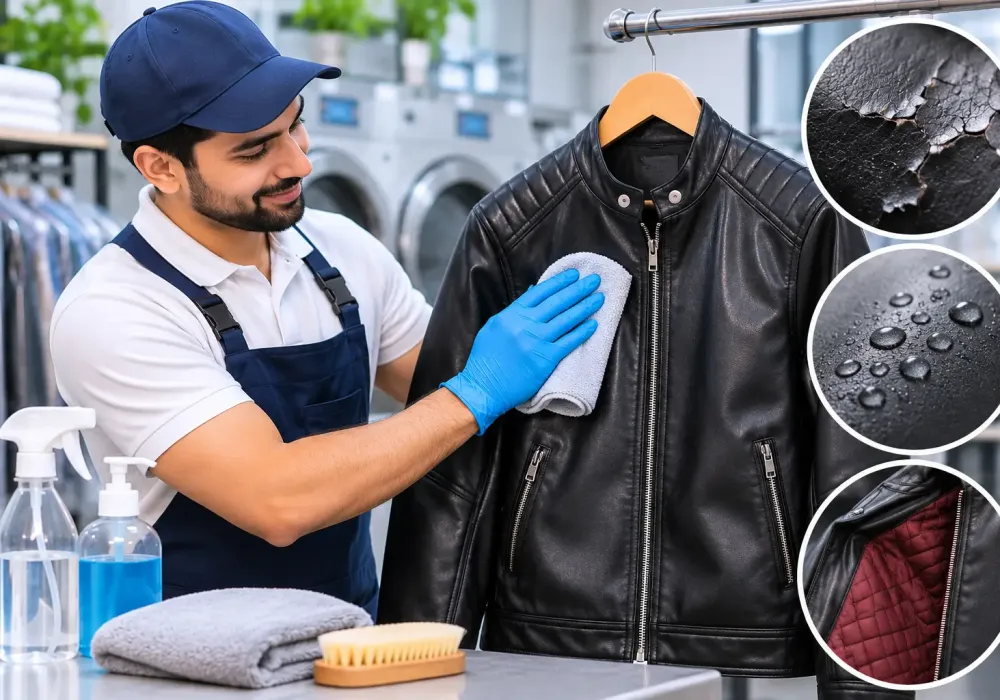
Faux leather jackets are a popular choice because they offer the look of genuine leather without using animal hide. However, they need careful handling. Over time, the surface can start peeling, cracking or flaking, especially when you use harsh cleaning products or expose the material to excessive heat.
If you are wondering how to clean a faux leather jacket without damaging its finish, the key is to use gentle cleaning methods and avoid unnecessary rubbing or soaking. This guide explains how to remove everyday dirt, deal with small spills and protect the synthetic leather coating. It also covers situations where professional cleaning is a safer option.
Why Faux Leather Jackets Peel and Crack
Faux leather jackets have a different structure from genuine leather. Their outer coating can become damaged through regular wear, poor storage and unsuitable cleaning methods. Understanding why this happens can help you prevent unnecessary damage.
What Faux Leather (PU Leather) Is Made Of
Faux leather, also known as artificial leather or synthetic leather, is commonly made using a fabric base covered with a synthetic coating. One common type is polyurethane (PU) leather, while some jackets use PVC-based materials.
This construction gives the jacket its leather-like appearance, but the surface coating can be vulnerable to damage.
Unlike genuine leather, faux leather does not have the same natural structure. Its condition depends partly on the quality of the coating, how the jacket is used and how well you maintain it.
How Heat, Moisture, and Harsh Cleaners Damage the Coating
The synthetic coating can weaken when exposed to unsuitable cleaning products or environmental conditions.
Common causes include:
- Excessive heat: Hair dryers, radiators and direct sunlight can dry out or damage the surface coating.
- Too much moisture: Soaking the jacket or allowing moisture to remain trapped can affect its construction.
- Harsh cleaning products: Bleach, alcohol and strong household cleaners can damage the finish.
- Repeated friction: Rough scrubbing and constant rubbing can wear down the outer surface.
Using the wrong cleaning method may cause the material to lose its smooth finish and eventually develop cracks or peeling patches.
Signs Your Jacket Is Starting to Peel or Flake
Check your jacket regularly for early signs of surface damage. Look for:
- Small cracks around the elbows, shoulders and pockets.
- Flaking or peeling patches on the outer coating.
- Areas where the surface feels sticky or unusually rough.
- Faded patches or changes in the original finish.
- Thin areas where the fabric underneath becomes visible.
If you notice these problems, avoid aggressive cleaning. Cleaning cannot reverse existing coating damage, and rough handling may make the affected areas worse.
Quick Care Tips You Can Do at Home
For light dirt and everyday marks, basic surface cleaning may be enough. You do not need complicated products to maintain a faux leather jacket.
Follow these simple precautions:
- Use a soft, slightly damp microfibre cloth to remove surface dirt.
- If necessary, use a small amount of mild soap diluted in water.
- Test the cleaning solution on a hidden area first.
- Wipe gently without soaking the material.
- Allow the jacket to air dry away from direct sunlight and heat.
Always check the manufacturer's care instructions before applying any cleaning product.
Light Dust and Surface Dirt
Follow these steps to clean a pleather jacket at home:
- Wipe the jacket with a dry microfibre cloth to remove dust.
- Mix a few drops of mild soap in a bowl of cool water.
- Dampen the cloth slightly, and wipe the surface in soft, even strokes.
- Wipe again with a clean, damp cloth to remove soap.
- Hang the jacket on a padded hanger in a shaded, airy spot.
Fresh, Small Spills
Speed matters when you want to remove stains from a faux leather jacket. Blot the spill straight away with a clean, dry cloth. Press gently and do not rub, because rubbing pushes the stain deeper and harms the coating. Then wipe the area with a slightly damp cloth and let it dry naturally. If the mark stays, stop there. Extra effort at home often causes more harm than the stain.
What You Should Never Do to a Faux Leather Jacket
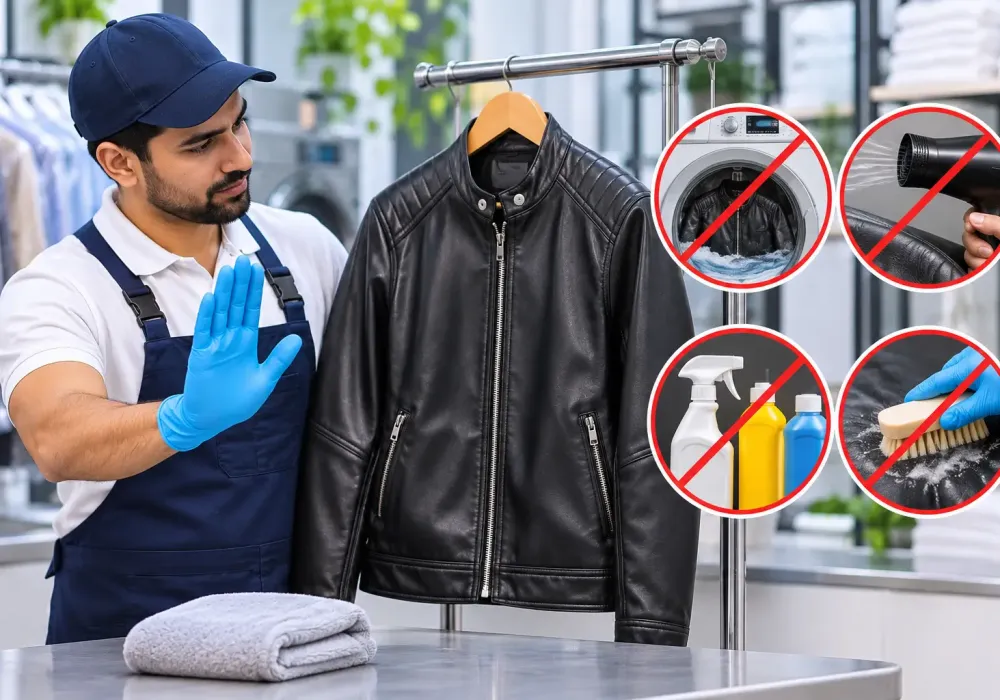
One of the biggest mistakes people make is treating faux leather like ordinary clothing. These jackets need a different approach because their outer coating can react badly to unsuitable washing methods and cleaning products.
Never Machine Wash or Soak It
People often ask, “Can you wash a faux leather jacket in a washing machine?” The answer is no. Spinning, soaking, and detergent can crack the coating and cause peeling within a single wash. Water also weakens the glue between the plastic layer and the fabric base.
Never Use Hot Water, Hair Dryers, or Direct Sunlight
Heat makes the coating stiff and brittle. Hot water, hair dryers, and sunny balconies are the fastest routes to cracking. Always dry your jacket slowly, in the shade, at room temperature.
Never Use Alcohol, Bleach, or Household Cleaners
Alcohol wipes, bleach, stain removers, and strong sprays strip the finish and leave pale, rough patches. Synthetic leather cleaning needs gentle products made for the material, not whatever sits under the kitchen sink.
Never Scrub Stains Hard
Hard scrubbing wears away the top layer and leaves a shiny or faded patch that no cleaner can fix. If a stain will not lift with a gentle wipe, it is time to ask an expert.
Problems Home Cleaning Cannot Fix Safely
Basic home cleaning works best for light surface dirt and fresh spills. However, some problems need more careful attention. Repeatedly trying different products can make the damage worse, particularly when the jacket has a delicate synthetic coating.
Old, Set-In Stains and Ink Marks
Old stains, pen marks and ink can be difficult to remove from faux leather. Strong stain removers may affect the colour or damage the polyurethane coating.
Avoid using alcohol, nail polish remover or abrasive products to remove ink. If the mark does not come away with gentle cleaning, ask a professional cleaner to assess the material before attempting further treatment.
Strong Odours and Sweat in the Lining
Sweat and body odours can build up inside a faux leather jacket, especially around the underarms, collar and inner lining. Cleaning only the outer surface may not address the source of the smell.
Avoid soaking the jacket to remove odours. The lining and outer coating may need different cleaning approaches, depending on their materials and care instructions.
Peeling, Cracking, and Faded Patches
If the synthetic leather surface has already started peeling, cracking or flaking, cleaning cannot restore the damaged coating. Applying oils, polish or household treatments may also make the surface worse.
A professional can assess the condition and explain what care is suitable, but existing coating damage may be permanent.
Dirty Collars, Cuffs, and Inner Lining
Collars and cuffs often collect sweat, skin oils and everyday dirt. The inner lining can also develop marks from regular contact with clothing and skin.
These areas need careful attention because aggressive rubbing can damage the outer finish. Avoid treating the entire jacket with one cleaning product without checking whether it is suitable for both the lining and the synthetic leather surface.
Why Professional Faux Leather Jacket Cleaning Is the Safer Choice
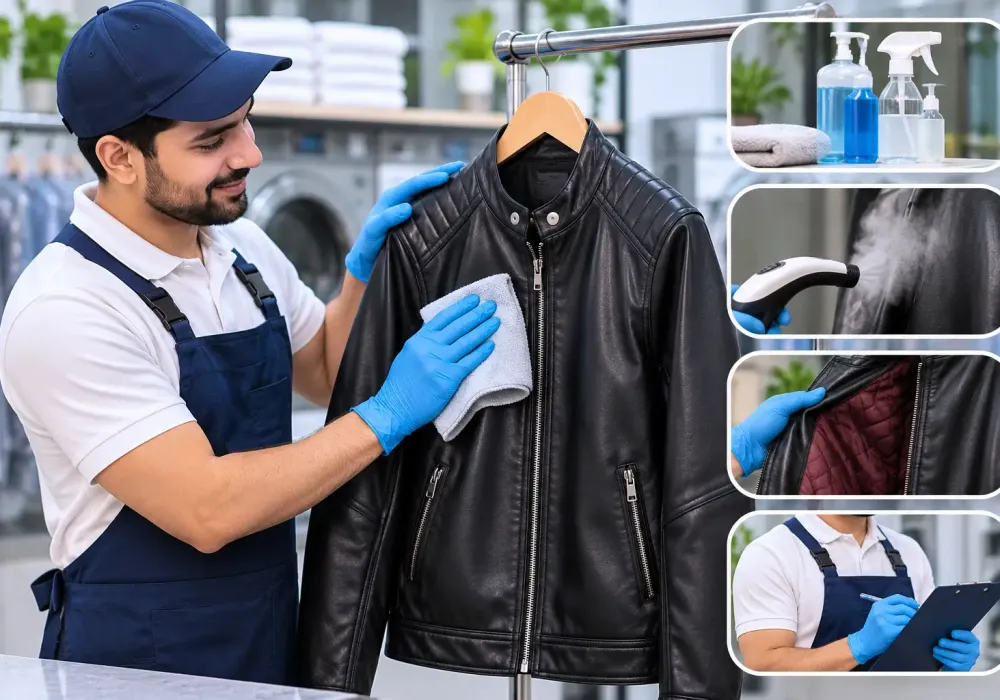
Professional cleaning can be a sensible option when your jacket has stubborn marks, a delicate finish or a lining that needs attention. A cleaner can assess its construction and recommend a suitable approach rather than relying on trial and error.
Right Products for Synthetic Leather
Faux leather requires products that are compatible with its surface coating. Using unsuitable detergents or strong stain removers can cause discolouration and damage.
A professional assessment helps identify the material and determine whether a particular cleaning product is appropriate.
Controlled Cleaning Without Heat Damage
Excessive heat can affect synthetic leather, so careful temperature control matters. A suitable cleaning process should consider the manufacturer's instructions and avoid unnecessary heat exposure.
Treating the Lining and Outer Surface Separately
The outer surface and inner lining may use different materials. The outer coating needs gentle handling, while the lining may require a different cleaning approach.
Considering these parts separately helps reduce the risk of using an unsuitable method across the whole garment.
Lower Risk Than Trial and Error at Home
Trying several household products on a stubborn stain can increase the risk of surface damage. Professional advice helps you understand which cleaning options are suitable before treatment begins.
How Bandbox Laundry Cleans Faux Leather Jackets
If you need professional jacket cleaning in Manchester, BandBox Laundry can assess your garment and discuss suitable care options. Faux leather jackets can vary in construction, so the cleaning method should depend on the material, visible condition and manufacturer's care instructions.
Fabric Inspection Before Cleaning
The first step is to assess the jacket's outer coating, lining, seams and visible stains. This helps identify existing peeling, cracking or other damage before choosing a cleaning approach.
Gentle, Surface-Safe Cleaning Methods
Synthetic leather needs careful handling. The appropriate method depends on whether the jacket uses PU, PVC or another material. Any proposed treatment should be suitable for the garment's condition and care requirements.
Careful Drying and Finishing
After suitable cleaning, the jacket needs careful drying away from excessive heat. Proper handling helps avoid unnecessary stress on the synthetic coating and lining.
Pickup and Delivery at Your Doorstep
BandBox Laundry offers free collection and delivery within 48 hours, with same-day service also available. This makes arranging laundry and garment care more convenient for customers in Manchester.
How to Store a Faux Leather Jacket to Prevent Peeling
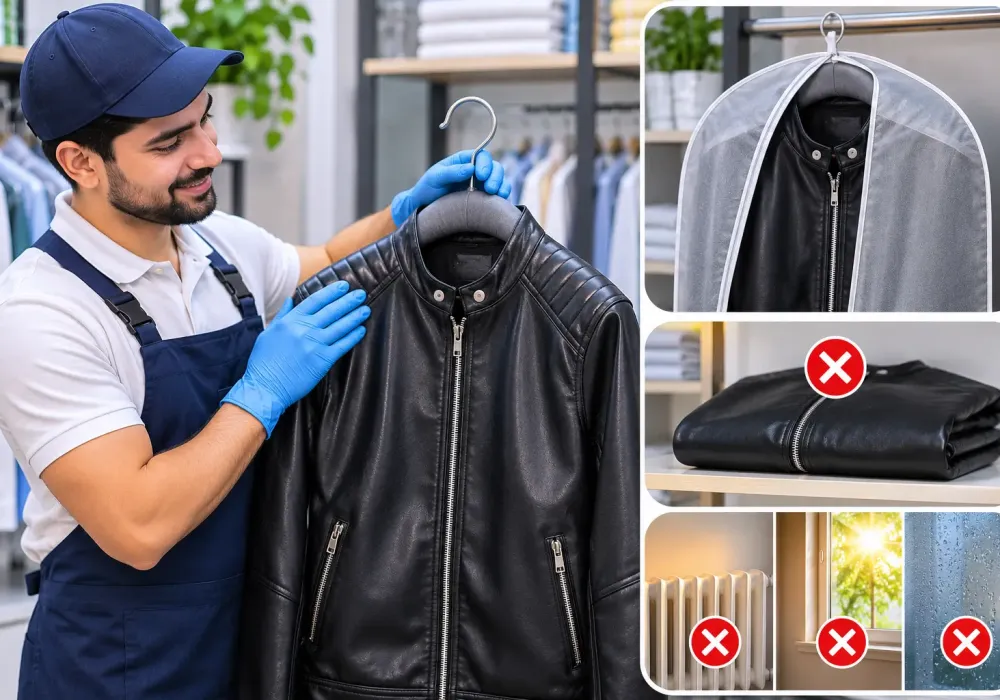
Good storage habits can help protect your jacket from unnecessary wear and environmental damage.
- Use a padded hanger: This helps maintain the jacket's shape and prevents unnecessary creasing around the shoulders.
- Choose a breathable cover: Store the jacket in a fabric garment cover rather than an airtight plastic bag.
- Avoid folding it: Hanging the jacket helps prevent deep creases that may put pressure on the coating.
- Keep it away from heat and damp: Choose a cool, dry storage space away from radiators, direct sunlight and moisture.
Frequently Asked Questions
Can you wash a faux leather jacket in a washing machine?
No. Machine washing can crack the coating and cause peeling. Wipe it gently by hand, or choose professional cleaning.
Can a peeling faux leather jacket be repaired?
Minor damage can sometimes be improved, but peeling usually cannot be fully reversed. Early care and gentle cleaning give the best protection.
How do you remove odour from a faux leather jacket?
Air the jacket in a shaded, airy spot and wipe the surface gently. If the smell comes from the lining, professional cleaning works better.
Is professional cleaning worth it for a faux leather jacket?
Yes, especially for costly jackets, deep stains, or strong odours. It lowers the risk of peeling and helps your jacket last longer.
Final Thoughts: Clean It Safely, or Leave It to the Experts
Faux leather jackets need gentle care to maintain their appearance. Avoid machine washing, harsh chemicals, excessive heat and aggressive scrubbing. For everyday dirt, a soft microfibre cloth and careful surface cleaning may be enough.
If your jacket has stubborn stains, unpleasant odours or a delicate finish, consider professional garment care. For customers in Manchester, BandBox Laundry can help assess suitable cleaning options for faux leather jackets.
Disclaimer:
The information in this article is provided for general information purposes only. Cleaning results may vary depending on the garment, fabric, stain, and cleaning method used. Always follow the garment's care label and seek professional cleaning for delicate or valuable items. BandBox Laundry accepts no liability for any loss or damage resulting from the use of the information provided.