How Does Professional Dry Cleaning Prevent Stretchy Clothes from Losing Their Shape?
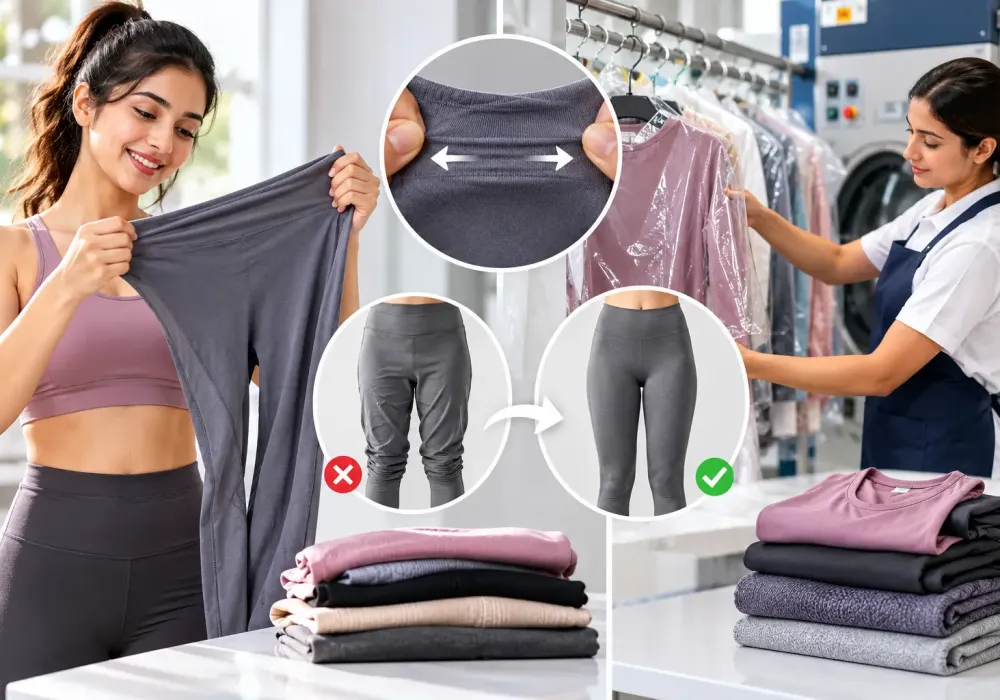
Stretchy clothes are comfortable, flexible and easy to wear, but they can lose their original shape over time. Leggings may become loose around the knees, elasticated trousers may lose their waistband support, and fitted garments may no longer feel as comfortable as they once did. Repeated washing, excessive heat and unsuitable cleaning products can all affect the elasticity of clothing.
Knowing how to maintain elasticity in clothes can help you keep your favourite garments in good condition for longer. The right cleaning method also matters, particularly for clothes made with elastane, spandex and other stretch fabrics. Professional garment care can help protect these materials when the garment's care label recommends a suitable professional cleaning method.
Why Do Stretchy Clothes Lose Their Shape After Washing?
Stretchy fabrics contain elastic fibres that allow garments to expand and return to their original shape. However, these fibres can weaken when exposed to unsuitable washing temperatures, harsh chemicals or repeated physical stress.
Here are some common reasons why stretchy clothes lose their shape.
Heat Damage to Elastic Fibres
High temperatures can affect elastic fibres such as elastane and spandex. Repeated exposure to hot water, high-heat tumble drying or excessive ironing may reduce their ability to stretch and recover.
For example, leggings washed regularly at high temperatures may gradually lose their snug fit. Following the recommended washing temperature helps protect the fabric's elasticity.
Using the Wrong Washing Cycle
A rough washing cycle can create unnecessary friction and movement inside the washing machine. This may affect delicate stretch fabrics, especially when you wash several heavy garments together.
A gentle or delicate cycle may be more suitable for machine-washable stretch clothing. Always check the care label before selecting a washing programme.
Harsh Detergents and Cleaning Products
Some strong detergents and cleaning products may not suit delicate elastic fibres. Using more detergent than necessary can also leave residue on the fabric.
To care for stretchy clothes:
- Choose a detergent suitable for the garment's fabric.
- Follow the recommended detergent quantity.
- Avoid harsh cleaning products unless the care instructions allow them.
- Rinse garments properly to prevent detergent build-up.
Repeated Stretching During Washing and Drying
Stretch fabrics naturally expand when you wear them. However, pulling, twisting or wringing garments while they are wet can put additional stress on their fibres.
Avoid twisting wet leggings or stretch trousers to remove excess water. Handle them gently and follow the recommended drying instructions.
Incorrect Drying and Storage Methods
Drying and storage habits can also affect garment shape. Hanging heavy, wet stretch garments may cause them to stretch under their own weight. Leaving them in direct heat can also affect elastic fibres.
Follow the garment's drying instructions and store it properly once completely dry.
Which Types of Stretchy Clothes Need Special Cleaning Care?

Not every stretch garment needs the same cleaning method. Fabric composition, garment construction and care instructions all influence how you should clean it.
Leggings and Stretch Trousers
Leggings and stretch trousers often contain elastane or spandex to provide flexibility and a close fit. Frequent washing at unsuitable temperatures can affect their stretch and recovery.
Use the recommended washing cycle and avoid high-temperature drying. For garments labelled for professional cleaning, choose an appropriate garment care service.
Elasticated Waistbands and Joggers
Elasticated waistbands help trousers and joggers maintain a comfortable fit. However, excessive heat and repeated rough washing may weaken the elastic over time.
Avoid pulling the waistband unnecessarily and follow the manufacturer's washing instructions.
Sportswear and Activewear
Sportswear and activewear often combine stretch fibres with moisture-managing materials. These fabrics need suitable cleaning to remove sweat and everyday dirt without damaging their construction.
Use a cleaning method recommended for the garment rather than assuming that every sportswear item needs dry cleaning.
Stretch Jeans and Elastane Blends
Stretch jeans combine traditional denim fibres with elastane to make movement easier. Excessive heat and unsuitable washing practices may affect their fit.
Turn machine-washable jeans inside out and follow the recommended temperature and cycle.
Stretch Dresses and Fitted Clothing
Stretch dresses and fitted clothing may contain delicate blends that help them maintain their shape. Incorrect washing, wringing or drying can affect their fit and appearance.
Check the care label carefully before cleaning these garments at home.
What Mistakes Should You Avoid When Cleaning Stretchy Clothes?
Small laundry mistakes can gradually affect the appearance and performance of stretch fabrics. Avoid these common problems to help your clothes retain their original fit.
Washing Stretch Fabrics in Hot Water
Hot water can put unnecessary stress on elastic fibres. Use the temperature recommended on the care label instead of assuming that hotter water provides better cleaning.
Using Excessive Fabric Softener
Using too much fabric softener may leave a coating on some fabrics and affect their performance. Check the garment's care instructions before using it, particularly for technical sportswear.
Tumble Drying at High Temperatures
High-temperature tumble drying can damage heat-sensitive elastic fibres. Use only the drying method permitted by the care label.
Hanging Heavy Stretch Garments Incorrectly
Hanging heavy, wet stretch garments can cause them to become longer or lose their original fit. Follow the recommended drying instructions and avoid stretching the fabric while it is wet.
Ignoring the Manufacturer's Care Instructions
The care label provides important information about washing, drying and professional cleaning. Ignoring these instructions can lead to avoidable fabric damage. Always check the label before choosing a cleaning method.
How Does BandBox Laundry Help Maintain the Elasticity of Clothes?

Stretchy clothes need suitable care to maintain their comfort, fit and appearance. At BandBox Laundry in Manchester, the cleaning approach should take account of each garment's fabric composition and care instructions. Choosing an appropriate method helps reduce the risk of unnecessary stress on delicate materials.
Inspecting Garments Before Cleaning
Before cleaning a garment, it is important to understand its fabric, construction and condition. Different stretch fabrics may respond differently to cleaning treatments.
A careful garment inspection helps identify:
- The fabric composition, including elastane and other stretch fibres.
- The manufacturer's washing and dry cleaning instructions.
- Visible stains, marks or areas of wear.
- Delicate details that may need additional attention.
This assessment helps determine which cleaning method is appropriate for the garment.
Choosing a Suitable Cleaning Method
Not every stretchy garment is suitable for dry cleaning. Some leggings, joggers and sportswear items are designed for machine washing, while certain delicate or fitted garments may require professional cleaning.
The care label helps determine the right approach. Professional garment care focuses on selecting a suitable cleaning method rather than applying the same process to every fabric.
Reducing Exposure to Excessive Heat
Excessive heat can affect elastic fibres and reduce their ability to return to their original shape. Choosing suitable cleaning and drying conditions can help minimise unnecessary heat exposure.
For garments that require professional care, the cleaning process should follow the fabric's requirements. This is particularly important for delicate elastane blends and fitted clothing.
Use Gentle Washing and Drying Methods
Gentle handling helps reduce unnecessary stretching, friction and stress on fabric fibres. The correct washing and drying method depends on the garment's construction and care instructions.
At BandBox Laundry, customers in Manchester can enquire about suitable professional garment care for their stretchy clothes. With convenient collection and delivery options within 48 hours, customers can also arrange laundry care without making an extra trip. Same-day service is available for suitable requirements.
Frequently Asked Questions About Cleaning Stretchy Clothes
Does Dry Cleaning Damage Elastic Fibres?
Dry cleaning does not automatically damage elastic fibres. The result depends on the fabric composition, cleaning chemicals and method used. Some stretch garments are suitable for professional dry cleaning, while others require machine washing. Always check the care label before choosing a cleaning service.
Can Dry Cleaning Help Leggings Retain Their Shape?
It depends on the leggings' fabric and care instructions. Many leggings contain elastane or spandex and are designed for gentle machine washing. If the label recommends professional cleaning, a suitable method may help protect the garment's shape. Do not assume that dry cleaning is suitable for every pair of leggings.
How Do You Wash Clothes with Elastane Without Stretching Them?
Start by checking the care label. If the garment is machine washable, follow these steps:
- Use the recommended water temperature.
- Select a gentle washing cycle where appropriate.
- Use a suitable detergent in the recommended quantity.
- Avoid twisting or wringing the garment.
- Follow the recommended drying instructions.
These habits can help maintain the elasticity and fit of elastane clothing.
Why Do Elasticated Trousers Become Loose After Washing?
Elasticated trousers may become loose because repeated exposure to heat, rough washing and incorrect drying can affect the waistband fibres. The elastic may also wear out naturally through regular use. Following the manufacturer's care instructions can help reduce unnecessary damage.
Can Stretchy Clothes Regain Their Original Shape?
Some garments may recover their shape after gentle handling and suitable drying, particularly if they have only stretched slightly. However, clothes with permanently weakened or damaged elastic fibres may not return to their original fit. Avoid using excessive heat or aggressive stretching to reshape them.
Should All Stretchy Clothes Be Professionally Dry Cleaned?
No. Many stretchy clothes, including everyday leggings, joggers and sportswear, are designed for machine washing. Other garments may require professional cleaning because of their fabric, construction or care instructions. Always follow the manufacturer's label and choose a cleaning method suitable for the garment.
Final Thoughts: Keep Your Stretchy Clothes in Shape with the Right Care
Stretchy clothes can gradually lose their shape because of excessive heat, unsuitable detergents, rough washing and incorrect drying. Understanding how to maintain elasticity in clothes helps you avoid common laundry mistakes and keep your favourite garments comfortable for longer.
Always check the care label before washing or arranging professional cleaning. Choose gentle methods where recommended, avoid unnecessary heat and handle wet stretch fabrics carefully.
If you have delicate stretch trousers, fitted dresses or other garments that need specialist attention, BandBox Laundry in Manchester can help you explore suitable professional garment care options. The right cleaning approach can help protect your clothes' appearance, fit and fabric quality over time.
Disclaimer:
The information in this article is provided for general information purposes only. Cleaning results may vary depending on the garment, fabric, stain, and cleaning method used. Always follow the garment's care label and seek professional cleaning for delicate or valuable items. BandBox Laundry accepts no liability for any loss or damage resulting from the use of the information provided.