How Professional Laundry Services Prevent Lint on Woollen Clothes
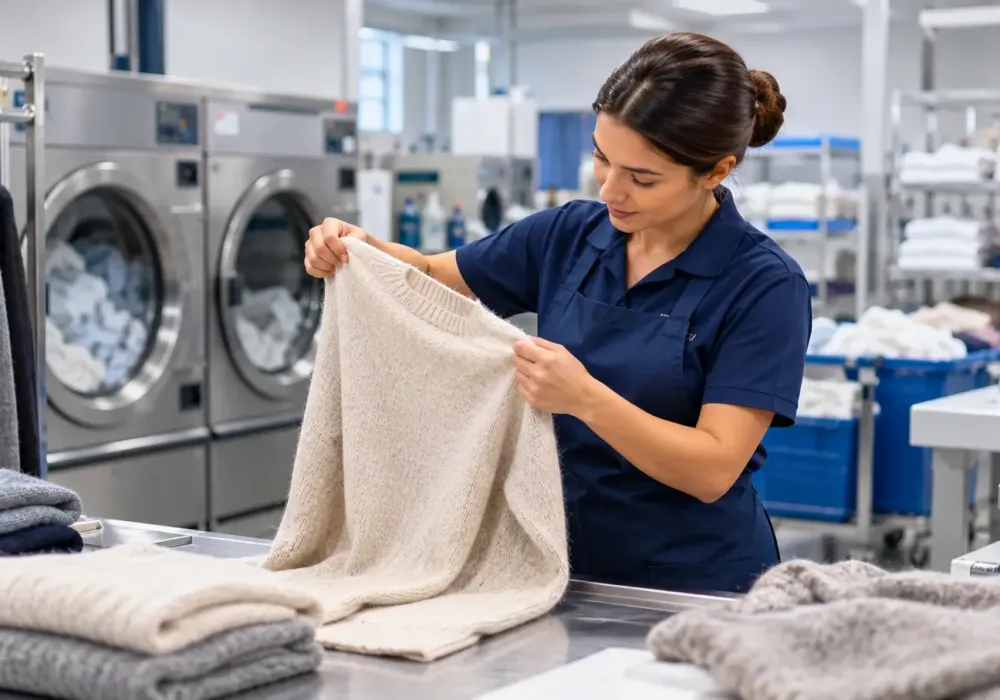
Woollen clothes can look soft, elegant and comfortable, but lint and fuzz can quickly make them appear old and untidy. If your favourite jumper attracts loose fibres after washing or develops small balls on the surface, you may wonder how to keep it looking fresh.
Professional laundry services can help reduce unnecessary friction during cleaning, which may limit lint build-up and protect delicate wool fibres. However, lint and pilling are different problems, and the right solution depends on what is happening to the fabric.
Understanding why woollen clothes attract lint can help you care for them more effectively. In this guide, we explain common washing mistakes, practical ways to reduce lint and how BandBox Laundry in Manchester can help you look after suitable woollen garments.
Why Do Woollen Clothes Attract Lint?
Woollen clothes can collect loose fibres from other garments and develop surface fuzz through everyday wear. Their texture, the way you wash them and the fabrics they rub against can all affect their appearance.
Loose Wool Fibres and Static Build-Up
Some loose fibres can appear on the surface of woollen garments as you wear, wash and handle them. Static electricity may also encourage loose fibres and dust to cling to certain fabrics, particularly in dry indoor conditions.
To reduce this problem:
- Handle delicate woollens gently.
- Avoid unnecessary rubbing during washing.
- Store woollen garments away from fabrics that shed lint.
- Follow the care label when choosing a cleaning method.
These simple habits can help keep your woollen clothes looking neater between cleans.
Friction from Rubbing Against Other Fabrics
Friction is a common reason woollen garments develop surface fuzz. Areas that repeatedly rub against handbags, coat sleeves, seat belts or other clothing may show more visible wear.
For example, a wool jumper may develop fuzz around the underarms, cuffs and sides where it rubs against other surfaces.
Choose suitable outerwear and avoid rough accessories rubbing repeatedly against delicate wool. Gentle handling can help reduce unnecessary wear, although some surface changes naturally occur with regular use.
Lint Transfer from Towels, Jeans, and Cotton in the Wash
Washing woollens with towels, cotton clothing or other lint-shedding fabrics can leave loose fibres on their surface. Towels are particularly likely to release lint, while rougher garments can create additional friction during a wash cycle.
To reduce lint transfer, separate woollen clothes from other laundry and follow the care instructions for each garment. Avoid mixing delicate woollens with heavy items such as jeans or towels, particularly when their washing requirements differ.
Lint vs. Pilling: What's the Difference?
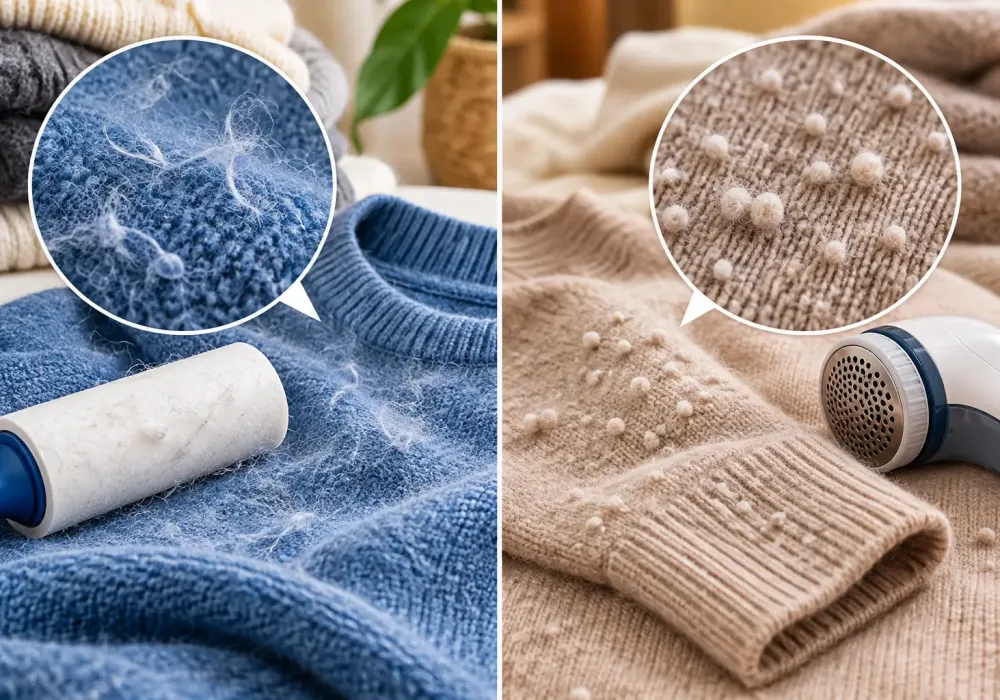
Lint and pilling can look similar at first, but they have different causes. Understanding the difference helps you choose the right way to care for your woollen clothes.
What Lint Looks Like on Woollens
Lint usually consists of loose fibres that settle on the surface of a garment. These fibres may come from towels, cotton clothing, blankets or other materials washed or stored nearby.
You may notice lint as small fluff particles or fibres that stand out against the colour of your wool jumper. A suitable lint roller can often remove loose surface fibres, provided you use it gently and the garment's texture can tolerate it.
What Pilling (Small Fabric Balls) Looks Like
Pilling occurs when loose fibres become tangled together through friction and form small balls on the fabric's surface. You may notice these tiny balls around the sleeves, underarms, cuffs or sides of a frequently worn jumper.
Unlike ordinary lint, pills attach to the garment because they contain fibres from the fabric itself or fibres caught within its surface.
A fabric shaver may help remove pills from some garments, but it can damage delicate wool if used incorrectly. Always check the manufacturer's care advice and test a suitable tool on an inconspicuous area first.
Why Both Make Your Clothes Look Old
Lint creates a fuzzy appearance, while pilling can make the fabric look uneven and worn. Both can affect the appearance of woollen clothes, especially darker garments where loose fibres and surface changes stand out.
The solution depends on the problem. Removing loose lint may restore a neater appearance, while pilling requires more careful treatment. Neither process can reverse genuine wear or damage to the underlying fibres.
Common Mistakes That Cause Lint on Woollens at Home
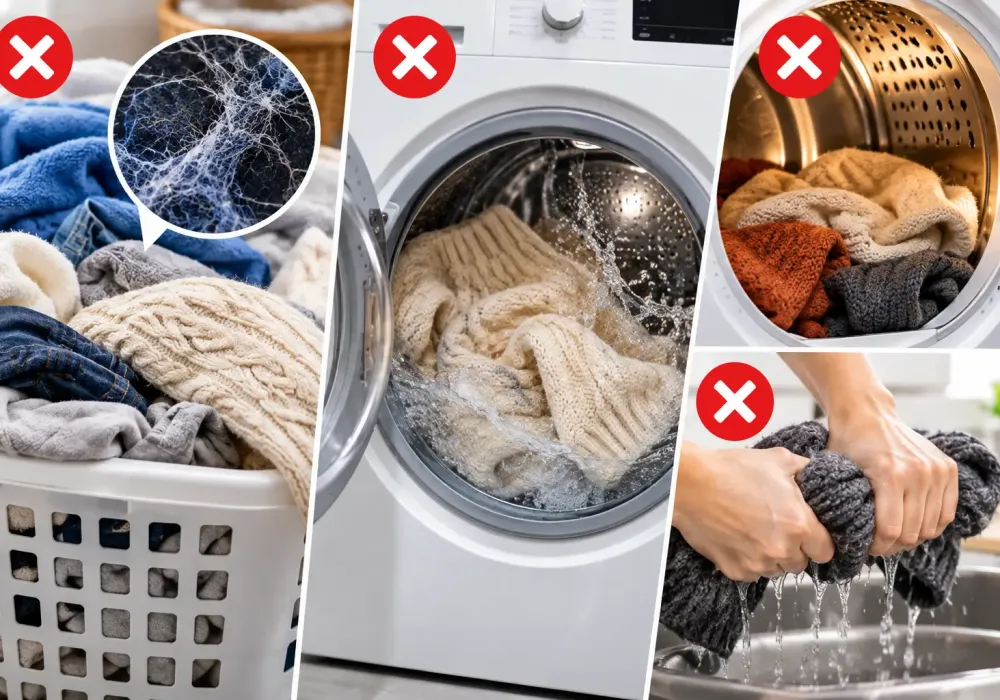
Small changes to your laundry routine can help reduce lint transfer and unnecessary friction. Avoid these common mistakes when caring for woollen garments.
Washing Woollens Together with Other Clothes
Mixing woollen clothes with towels, fleece garments or heavy cotton items can increase lint transfer. Separate woollens from fabrics that shed fibres and check whether the garments can be cleaned using the same method.
Using a Regular Machine Cycle and Strong Spin
A standard washing cycle may involve more movement and spinning than delicate wool can tolerate. This can increase friction and contribute to pilling, stretching or other fabric changes.
Only machine-wash woollens when the care label permits it, and select the recommended wool or delicate programme.
Using a Dryer or Rough Drying Methods
Heat and tumbling can affect woollen fibres and may cause shrinkage or distortion. Avoid tumble drying unless the care instructions specifically allow it.
Instead, follow the recommended drying method and handle wet woollens gently. Never wring or twist them aggressively to remove excess water.
Not Turning the Garment Inside Out
Turning a washable woollen garment inside out before cleaning may reduce direct friction on its outer surface. However, this does not replace the need to separate fabrics or use a suitable washing method.
Always follow the care label, particularly for garments that require professional dry cleaning.
How Professional Laundry Services Prevent Lint on Woollens
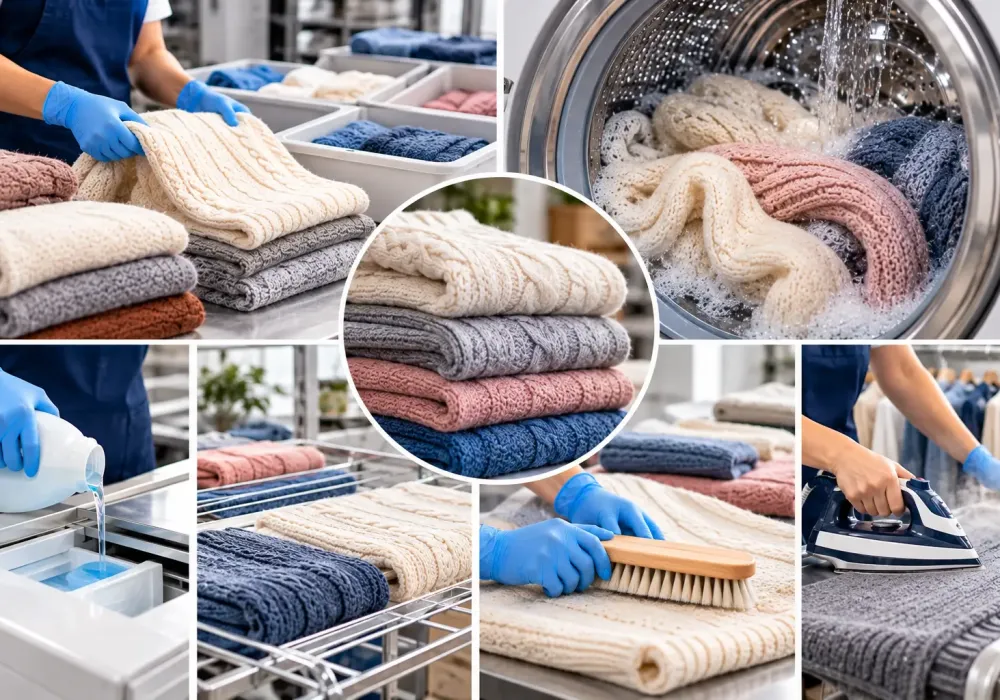
Professional laundry services can help reduce lint transfer by separating garments, selecting suitable cleaning methods and handling delicate fabrics carefully. Although no cleaning process can prevent all lint or pilling, appropriate garment care can help maintain the appearance of woollen clothes.
Sorting and Separating Woollens from Other Fabrics
Separating woollens from towels, cotton garments and other lint-shedding fabrics can reduce the transfer of loose fibres during cleaning.
A suitable laundry process considers:
- The fabric type and colour of each garment.
- The amount of friction the garment can tolerate.
- The care label and recommended cleaning method.
- Whether the garment needs separate handling.
This approach helps reduce unnecessary contact between woollen garments and fabrics that may leave lint behind.
Gentle, Low-Agitation Cleaning
Excessive movement and friction can contribute to pilling and changes in the surface of woollen fabrics. A suitable cleaning method should account for the garment's fibre composition and care instructions.
Professional cleaners can assess whether a garment is suitable for a gentle washing process or requires dry cleaning. The aim is to clean the item appropriately while reducing avoidable friction and protecting its condition.
Wool-Safe Detergents That Protect the Fibres
The wrong cleaning product may affect the texture or condition of delicate wool fibres. When washing is permitted, a suitable wool-safe detergent can help clean the garment without relying on unnecessarily harsh products.
Always choose products according to the care label. Professional cleaning methods and products should match the garment's requirements rather than following a single approach for every woollen item.
Controlled Drying to Reduce Friction and Static
Incorrect drying can affect the shape and texture of woollen clothes. Tumble drying may create additional friction, while excessive heat can damage some wool garments.
Suitable drying methods depend on the garment. Gentle handling and appropriate drying conditions can help reduce unnecessary friction and maintain the garment's shape.
Careful Brushing, Pressing, and Finishing
After cleaning, suitable finishing can help improve the garment's appearance. Gentle brushing may remove loose surface fibres, while careful pressing may help maintain a neat finish when the fabric permits it.
However, finishing cannot guarantee the removal of every pill or reverse damaged fibres. The method should suit the garment's texture and construction.
Why Choose BandBox Laundry for Your Woollen Clothes?
Woollen garments need appropriate care to help maintain their appearance and comfort. At BandBox Laundry, we provide professional laundry and dry-cleaning services in Manchester, with cleaning methods selected according to the garment's requirements.
Expert Care for Delicate Woollen Fabrics
Wool jumpers, cardigans, coats and other delicate garments can have different cleaning requirements. Checking the care label and fabric condition helps determine a suitable approach.
If you are unsure how to clean a particular woollen item, contact BandBox Laundry to discuss its material and care instructions before arranging a service.
Separate Handling for Woollens
Keeping woollen garments separate from lint-shedding fabrics can help reduce fibre transfer during laundry. Appropriate sorting also helps account for differences in fabric type, colour and cleaning requirements.
The right handling method depends on the garment and the service arranged.
Pickup and Delivery at Your Doorstep
Managing delicate laundry can take time, particularly during the colder months when woollen clothes are used frequently.
BandBox Laundry offers free collection and delivery within 48 hours in its service area, with same-day service available when required. This gives customers in Manchester a convenient way to manage their laundry without making an extra trip.
Transparent Pricing and Trusted Reviews
Before booking a cleaning service, ask about the price and the cleaning method suitable for your garment. You can also review customer feedback to understand other customers' experiences.
For woollen garments that need professional attention, contact BandBox Laundry to discuss the item and its care requirements.
Which Woollen Items Are Most Prone to Lint?
Some woollen garments show lint and surface fuzz more visibly than others. Their texture, colour, construction and frequency of use can all affect their appearance.
Sweaters, Cardigans, and Mufflers
Woollen sweaters, cardigans and mufflers often rub against coats, bags and other clothing. This repeated contact can contribute to loose fibres and pilling, particularly around cuffs, sleeves and other high-friction areas.
Store them carefully and avoid washing them alongside towels or other lint-shedding fabrics.
Shawls and Stoles
Shawls and stoles can have delicate surfaces that attract loose fibres from surrounding garments. Their fine texture may also require careful handling during cleaning and storage.
Fold these items neatly and keep them separate from fabrics that shed lint. Check the care label before using a lint remover or attempting to wash them.
Woollen Coats and Blankets
Woollen coats can collect lint around their sleeves, collars and pockets through everyday wear. Woollen blankets may also pick up loose fibres from other bedding and clothing.
Brush coats gently with a suitable clothing brush. For blankets, check the care label before cleaning, as bulky or delicate items may require professional treatment.
Easy Tips to Reduce Lint on Woollens Between Cleanings
Follow these simple habits to help keep your woollen clothes looking neat:
- Use a lint roller carefully: Remove loose surface fibres with gentle strokes, provided the garment can tolerate the roller.
- Use a fabric shaver cautiously: Only use one when suitable for the fabric, following the manufacturer's instructions.
- Fold knitted garments: Store sweaters and cardigans flat to help prevent stretching.
- Avoid rough bags and straps: Repeated rubbing can contribute to surface fuzz and pilling.
- Store woollens separately: Keep them away from towels and other materials that shed fibres.
- Check garments regularly: Remove loose lint before it accumulates and follow the care label when cleaning is needed.
These habits can help reduce lint transfer and everyday wear, although some pilling may still develop with regular use.
Frequently Asked Questions
Can lint be completely removed from woollen clothes?
Loose surface lint can often be removed with a suitable lint roller or gentle brushing. However, pilling involves tangled fibres attached to the garment, so it needs a different approach. Results depend on the fabric and the condition of the wool.
Does dry cleaning remove lint and pilling?
Dry cleaning may help clean a garment, but it does not automatically remove all lint or pilling. Loose fibres may need suitable surface removal, while pills may require careful treatment. Ask the cleaner about the garment's condition and the options available.
How often should woollens be professionally cleaned?
There is no fixed schedule for every woollen garment. Clean them according to the care label, frequency of use and level of dirt or odour. Gentle maintenance between cleans can help keep them presentable.
Is it safe to use a lint remover on wool?
Some lint removers are suitable for certain woollen garments, but others may pull fibres or damage delicate surfaces. Check the manufacturer's guidance, test the tool on an inconspicuous area where appropriate, and avoid aggressive scraping or cutting.
Final Thoughts: Keep Your Woollens Smooth, Soft, and Lint-Free
Lint and pilling can make woollen clothes look untidy, but understanding their causes can help you care for your garments more effectively. Separating woollens from lint-shedding fabrics, reducing unnecessary friction and following the care label can help maintain their appearance.
Professional laundry services can also help by assessing delicate fabrics, selecting suitable cleaning methods and handling garments carefully. However, cleaning cannot prevent every instance of lint or reverse all surface wear.
For customers in Manchester, BandBox Laundry provides professional laundry and dry-cleaning services, with free collection and delivery within 48 hours and same-day service available when required. With appropriate care at home and a suitable professional cleaning routine, you can help keep your woollen wardrobe looking its best for longer.