How Often Should You Wash a Mattress Cover Without Damaging It?
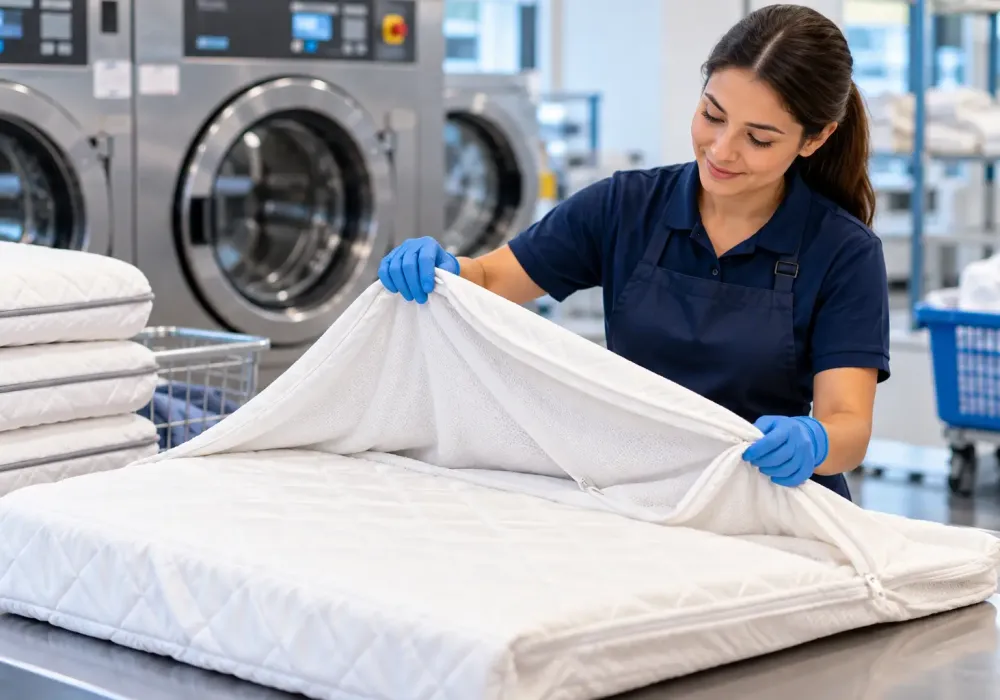
Your mattress cover helps protect your bed from sweat, body oils, dust and everyday spills. However, it can gradually collect dirt even when your sheets look clean. If you share your bed with pets, have children, or experience allergies, your mattress cover may need more frequent cleaning.
Knowing how to wash a mattress cover correctly helps you maintain bed hygiene without shrinking the fabric, damaging waterproof layers or affecting the cover's shape. The right approach depends on the material, the manufacturer's care instructions and whether the cover has removable padding or a waterproof backing.
In this guide, we explain what affects mattress cover washing frequency, how to choose a suitable washing method, which mistakes to avoid, and when professional mattress cover cleaning from a laundry service such as BandBox Laundry in Manchester may be helpful.
What Affects How Frequently You Need to Wash a Mattress Cover?
There is no single washing schedule for every mattress cover. Your sleeping habits, household conditions and the type of cover you use all influence how often it needs cleaning.
Allergy Concerns
If you experience allergies, keeping your bedding clean can help reduce the build-up of dust and other common allergens. Mattress covers may collect skin flakes, dust and other particles over time.
- Follow the manufacturer's recommended washing frequency.
- Wash the cover when it becomes visibly dirty or develops an unpleasant smell.
- Clean your sheets and pillowcases regularly as part of your bedding routine.
Washing alone does not eliminate every allergen, so follow any specific advice you have received for managing allergies.
Sharing Bed with Pets
Pets can bring loose hair, outdoor dirt and debris into your bed. They may also transfer moisture and odours onto the mattress cover.
If your pet regularly sleeps on your bed, inspect the cover more frequently. Remove loose hair before washing and check that the selected cleaning method suits the fabric and any waterproof layer.
Everyday Sweat, Body Oils and Dust
Even without visible stains, a mattress cover can collect sweat, body oils and dust during regular use. These deposits can gradually affect its freshness.
Wash the cover according to its care instructions and your household's needs. If you sweat heavily during sleep, you may need to clean it more frequently than someone whose cover stays relatively clean.
Children or Bedwetting
Children can cause additional laundry needs through food spills, accidental bedwetting and other everyday mishaps. Urine can leave lingering odours if you do not treat the affected area promptly.
If an accident occurs:
- Remove the bedding and mattress cover as soon as practical.
- Blot excess moisture with a clean, absorbent cloth.
- Check the care label before choosing a cleaning method.
- Wash the cover according to the manufacturer's instructions, where permitted.
Avoid using excessive heat or unsuitable cleaning products, particularly on waterproof covers.
Getting Stains or Marks on the Cover
Food, drinks, cosmetics and other substances can leave marks on mattress covers. Treating stains promptly may improve your chances of removing them.
Blot fresh spills rather than rubbing them into the fibres. Use a suitable stain treatment, test it on a hidden area if appropriate, and follow the product instructions. For stubborn stains, avoid repeatedly applying harsh products, as they may damage the fabric.
What Should You Check Before Washing a Mattress Cover?
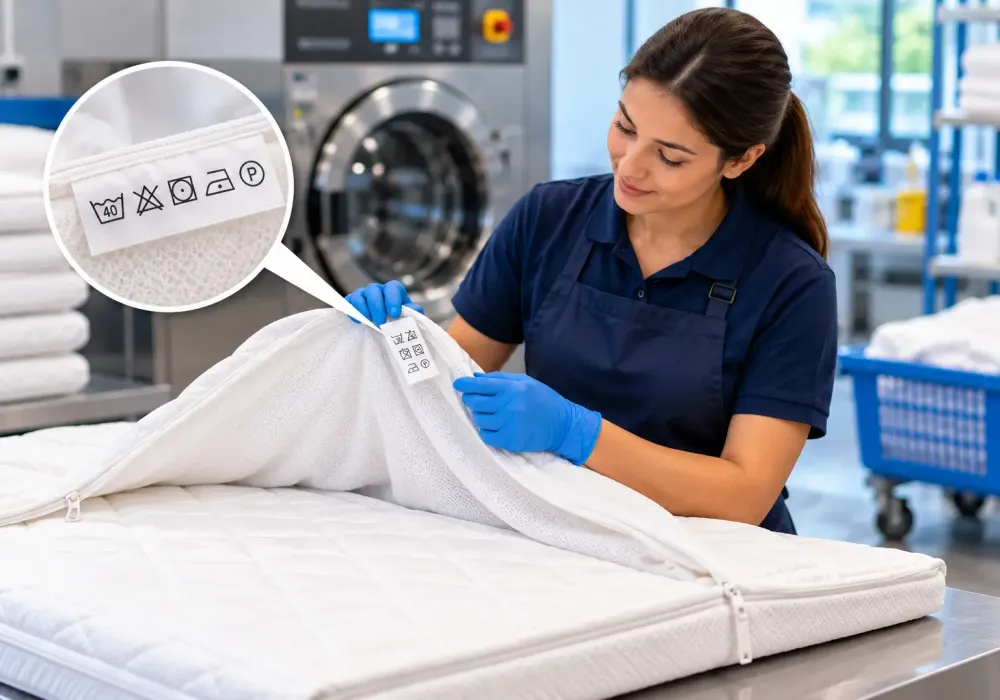
Before washing your mattress cover, check its construction and cleaning instructions. Choosing the wrong method can cause shrinkage, damage the waterproof layer or make the cover difficult to refit.
Fabric Type
Mattress covers come in different materials, including cotton, polyester, microfibre and blended fabrics. Some covers also contain foam padding or other protective layers.
Each material has different cleaning requirements. Before deciding how to wash a mattress cover, identify the fabric and check whether it can tolerate machine washing, hand washing or professional cleaning.
Check the Care Label
The care label provides important information about washing a mattress cover, drying, and ironing. Follow these instructions rather than assuming that every removable cover can go in the washing machine.
Check for:
- The recommended washing temperature.
- Whether machine washing is permitted.
- Restrictions on bleach or other cleaning products.
- Tumble-drying instructions.
- Any requirements for specialist cleaning.
If the label is missing, check the manufacturer's website or contact the manufacturer before attempting a deep clean.
Waterproof Backing or Special Padding
Some mattress covers have a waterproof membrane that protects the mattress from moisture. Others contain quilted padding or foam layers for extra comfort.
Excessive heat, harsh chemicals and unsuitable washing cycles may damage these features. If your cover has waterproof backing, follow the specific care instructions to maintain its protective properties.
Washing Cycle and Type
Choose the washing method according to the cover's size, material and care label. A removable fabric cover may be machine-washable, while a padded or specially constructed cover may require a different approach.
Avoid forcing a bulky cover into an overloaded washing machine. The fabric needs enough room to move so that water and detergent can circulate properly.
Which Washing Temperature and Detergent Should You Use?
The right temperature and detergent help clean your mattress cover without placing unnecessary stress on the fabric.
Choosing a Suitable Water Temperature
Always follow the temperature stated on the care label. Some covers can tolerate warmer washes, while others require a cooler cycle to protect their shape or waterproof coating.
Do not automatically choose the hottest setting. Higher temperatures do not suit every fabric and may cause shrinkage or damage to certain protective layers.
Selecting a Gentle Detergent
Use a detergent suitable for the cover's material and the recommended washing method. Measure the amount according to the product instructions and the size of the load.
Using too much detergent can leave residue on the fabric, while an unsuitable product may affect delicate materials or special finishes.
Avoiding Harsh Chemicals and Excessive Heat
Bleach, strong stain removers and high drying temperatures may damage some mattress covers. Check product instructions before treating stains, especially on waterproof or coloured materials.
If you are unsure which method is suitable, seek advice before washing. Professional laundry services such as BandBox Laundry in Manchester may be able to advise on cleaning options for suitable bedding items.
What Mistakes Can Damage a Mattress Cover?
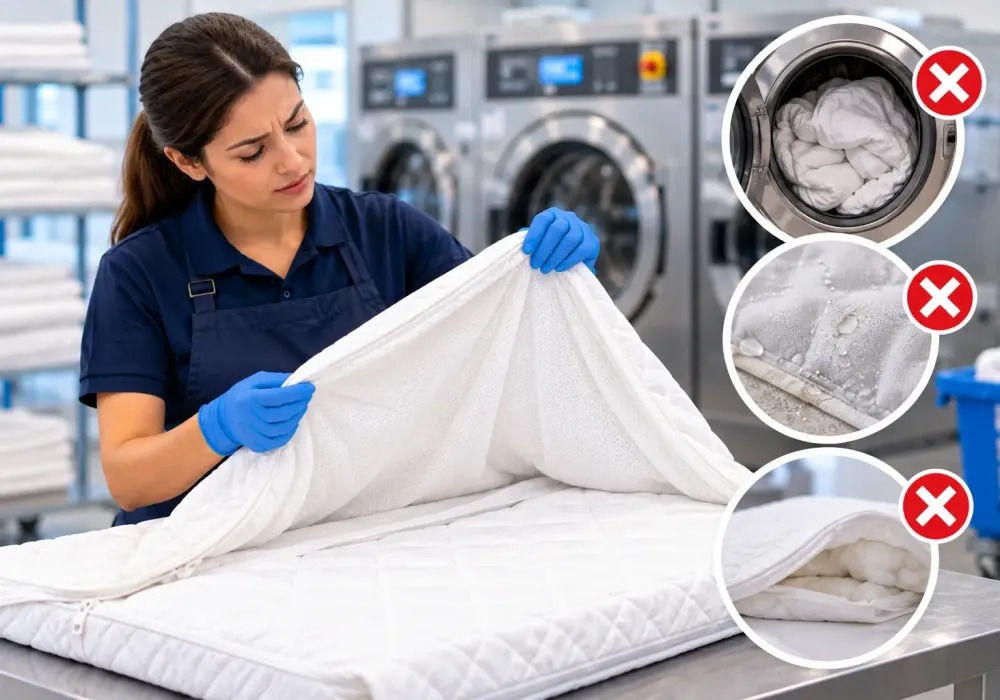
Even when you wash your mattress cover regularly, the wrong cleaning method can affect its fit, appearance and protective features. Avoid these common mistakes to keep it in good condition.
Using the Wrong Washing Cycle
A vigorous washing cycle may damage delicate fabrics, stitching or padded sections. Always select a cycle that matches the manufacturer's instructions.
Avoid overloading the washing machine, as a tightly packed cover may not clean evenly. If the cover is too large for your machine, consider a suitable alternative rather than forcing it inside.
Damaging Waterproof Layers
Waterproof mattress covers need particular care because their protective membranes may react poorly to high temperatures or harsh cleaning products.
To help protect the waterproof layer:
- Follow the recommended washing temperature.
- Avoid bleach and strong chemicals unless the manufacturer permits them.
- Do not iron the cover unless the care label allows it.
- Check the drying instructions before using a tumble dryer.
Putting the Cover Back on While Damp
A mattress cover must dry completely before you put it back on the mattress. Trapped moisture can contribute to unpleasant smells and create conditions that encourage mould growth.
Allow the cover to dry according to its care instructions. Check the seams, corners and padded sections, as these areas may take longer to dry than thinner parts of the fabric.
When Should You Choose Professional Mattress Cover Cleaning?
Home washing works for many removable mattress covers, but some items need extra care. Professional cleaning may be worth considering when the cover has stubborn stains, delicate materials or specific cleaning requirements.
Persistent Stains and Heavy Soiling
Sweat marks, urine stains and other spills can become difficult to remove when they remain in the fabric for a long time. If ordinary washing does not remove the marks, avoid repeatedly applying strong stain removers.
A professional laundry provider can assess the fabric and recommend a suitable cleaning approach where the item is accepted. However, complete stain removal is not always possible.
Delicate or Special-Care Covers
Some mattress covers contain delicate fabrics, special padding or waterproof layers that require particular handling. Incorrect washing may cause shrinkage, damage the backing or affect the cover's fit.
Check the manufacturer's instructions before choosing professional cleaning. Explain the material and any protective features to the provider so they can assess whether the item is suitable.
Large Covers That Are Difficult to Handle at Home
Large mattress covers can be difficult to fit into a domestic washing machine and may take considerable time to dry.
If your cover is bulky or difficult to handle, a professional laundry service may offer a convenient alternative. Confirm that the provider accepts your particular cover before arranging a collection.
Why Choose BandBox Laundry for Mattress Cover Cleaning in Manchester?

Keeping bedding fresh can take time, especially when you have a busy household or a mattress cover that needs special care. BandBox Laundry provides laundry services in Manchester and can help you discuss suitable cleaning options for your bedding.
Care for Suitable Bedding Materials
Different mattress covers require different cleaning methods. Before arranging a service, explain whether your cover is made from cotton, polyester, a blended fabric or a waterproof material.
BandBox Laundry can discuss your cleaning requirements and confirm whether the item is suitable for its available services. This is particularly important for covers with foam padding, waterproof backing or special-care labels.
Convenient Laundry Services for Busy Households
Washing, drying and refitting a large mattress cover can be time-consuming. Using a laundry service may help reduce the effort involved in maintaining your bedding.
If your cover has persistent stains or requires special handling, contact BandBox Laundry to discuss the item before sending it for cleaning.
Collection and Delivery Options
BandBox Laundry offers collection and delivery within 48 hours, with same-day service also available. These options can make laundry care more convenient for households in Manchester.
Contact the team to confirm whether your mattress cover can be accepted, which cleaning method is suitable and what collection options are available.
Frequently Asked Questions
Can You Wash a Mattress Cover Every Week?
You can wash a mattress cover weekly if the manufacturer permits that frequency, but not every cover needs such frequent washing. Consider how often you use the bed, whether spills occur and whether you share it with pets.
Follow the care label to avoid unnecessary wear from repeated washing.
Which Mistakes Should You Avoid When Cleaning a Mattress Cover?
Avoid using excessive heat, unsuitable detergents, harsh chemicals and washing cycles that do not suit the fabric. Do not overload the machine or put the cover back on while damp.
Always check the care label before cleaning.
Should I Wash a Mattress Cover Before Using It?
Check the manufacturer's instructions first. If the cover is machine-washable and the manufacturer recommends washing before use, follow those instructions. Some covers require specific care and should not be washed before their first use.
Can We Wash a Mattress Cover in the Washing Machine?
Some removable mattress covers are machine-washable, but others are not. Check the care label for temperature, cycle and drying instructions. If the cover is bulky or has waterproof backing, confirm that machine washing is suitable before proceeding.
How Do You Clean a Non-Removable Mattress Cover?
Avoid soaking a non-removable cover, as moisture may penetrate the mattress beneath it. Blot spills with a clean cloth and use a suitable fabric-cleaning method according to the manufacturer's instructions.
Do not saturate the surface. If the cover has heavy staining or persistent odours, seek professional advice about suitable options.
Can You Wash a Mattress Cover That Has a Zip?
Yes, some zipped mattress covers are designed to be removed and washed. However, a zip does not automatically mean that the cover is machine-washable.
Check the care label, remove the cover carefully and follow the recommended washing method. If the cover is difficult to remove or refit, avoid pulling or stretching it.
Final Thoughts: Protect Your Mattress Cover with the Right Care
Regular mattress cover cleaning helps manage sweat, body oils, dust and everyday stains. However, washing frequency and cleaning methods depend on your household needs, the cover's material and the manufacturer's instructions.
Check the care label, use a suitable detergent, avoid excessive heat and make sure the cover dries completely before putting it back on your mattress. These simple steps can help maintain its appearance and protective features.
If you need help with suitable bedding items, BandBox Laundry offers laundry services in Manchester, with collection and delivery within 48 hours and same-day service available. Contact the team to discuss your mattress cover and confirm which cleaning options are appropriate for it.
Disclaimer:
The information in this article is provided for general information purposes only. Cleaning results may vary depending on the garment, fabric, stain, and cleaning method used. Always follow the garment's care label and seek professional cleaning for delicate or valuable items. BandBox Laundry accepts no liability for any loss or damage resulting from the use of the information provided.