Why Do Clothes Shrink in the Dryer? Reasons You Need to Know
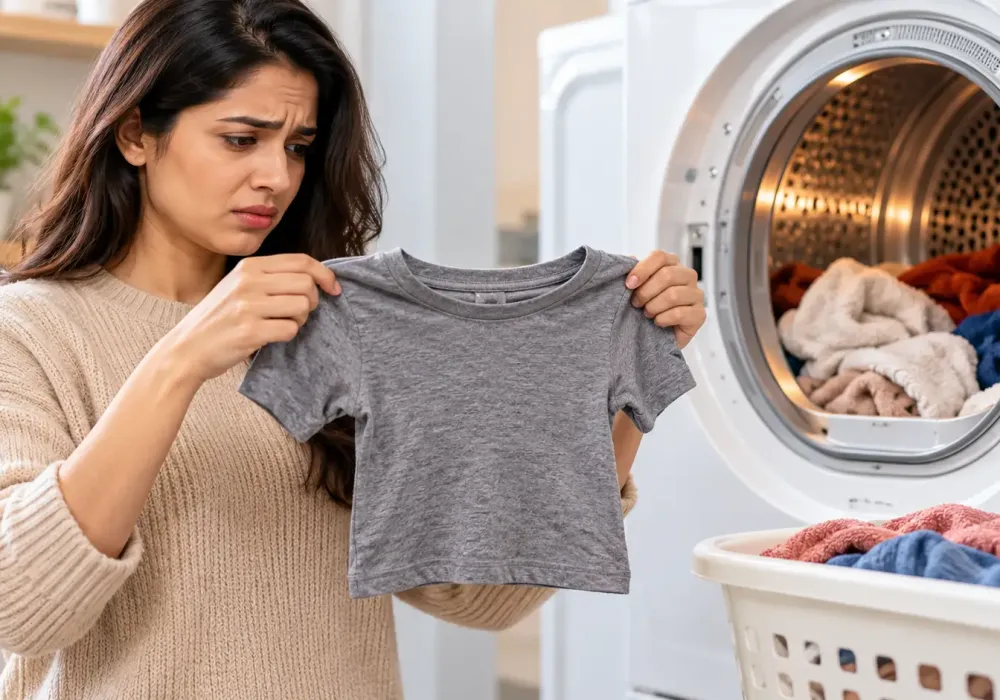
Have you ever taken your favourite T-shirt out of the tumble dryer and noticed that it feels tighter or shorter than before? It can be frustrating, especially when the garment fitted perfectly before washing. In many cases, the problem comes down to the fabric, the drying temperature, or the way you handle your laundry.
So, why do clothes shrink in the dryer? High temperatures, moisture and repeated tumbling can change the structure of certain fabric fibres, causing garments to shrink. However, not every fabric reacts in the same way. Understanding what causes clothes to shrink can help you protect your favourite outfits and keep them looking good for longer.
What Happens to Clothes When They Go Through a Dryer?
Clothes can shrink in a tumble dryer when heat and movement cause their fibres to contract or return towards their original structure. Natural fabrics such as cotton and wool often need extra care because they can react more noticeably to unsuitable washing and drying conditions.
How Heat Changes the Structure of Fabric Fibres
Manufacturers stretch and process many fabric fibres during production. When you wash and dry these materials, moisture and heat can allow the fibres to relax and change shape. The garment may then become shorter, narrower or tighter than it was before.
High temperatures can increase this risk, particularly when you dry clothes that need gentle handling. Wool can also felt and become denser when heat, moisture and friction act together.
Why Some Garments Become Shorter or Tighter After Drying
Different fabrics react differently to heat and moisture. A cotton T-shirt may lose some of its length, while a wool jumper may become tighter around the sleeves or body.
The original fabric construction, previous washing, and drying conditions all influence the result. That is why checking the care label before putting clothes in the tumble dryer is important.
Is Your Tumble Dryer the Main Reason Your Clothes Shrink?
Yes, a tumble dryer can contribute significantly to clothes shrinking, especially when you use excessive heat or dry garments for too long. However, the dryer is not always the only cause. Washing conditions and the type of fabric also play a role.
The Role of High Temperatures in Fabric Shrinkage
High temperatures increase the risk of shrinkage in many natural fabrics. Cotton shirts, linen garments and wool jumpers can all suffer when you expose them to unsuitable drying conditions.
If a care label recommends low heat or air-drying, follow those instructions rather than choosing a high-temperature cycle for convenience. A gentler setting can help reduce unnecessary stress on the fabric.
How Long Drying Cycles Can Affect Your Clothes
Leaving clothes in the dryer longer than necessary can expose them to additional heat and tumbling. This may increase shrinkage risk and cause unnecessary wear, particularly when you repeatedly dry the same garments on high heat.
Check your clothes towards the end of the cycle and remove them when they are dry enough for their intended use. Avoid running another full cycle simply because a few items still feel slightly damp.
Why Different Dryer Settings Produce Different Results
Your dryer settings can make a noticeable difference to how your clothes fit after drying.
- High heat: Can increase shrinkage risk for heat-sensitive fabrics.
- Low heat: Offers gentler drying for many suitable garments.
- Delicate cycle: Provides a gentler option for items that permit machine drying.
- Air-dry setting: Uses little or no heat, depending on the appliance.
Always check the garment's care label first. Even a low-heat setting may be unsuitable for some delicate items.
Can Washing Your Clothes Also Make Them Shrink?
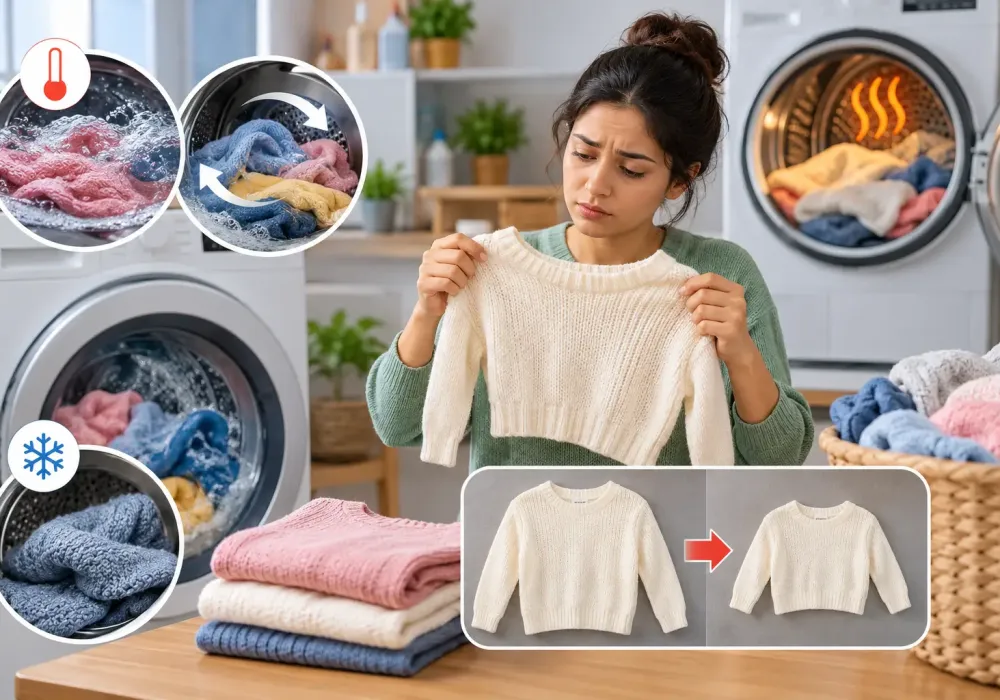
Yes, clothes can shrink during washing as well as drying. Hot water, mechanical movement and the properties of the fabric can all contribute to changes in garment size.
How Hot Water and Washing Machine Agitation Affect Fabrics
Hot water can encourage some fibres to relax and contract, while the washing machine's movement creates friction between garments. Wool and other delicate materials may be particularly vulnerable when you use an unsuitable cycle.
Choose the water temperature and washing programme according to the care label. A gentler cycle can help protect fabrics that do not tolerate vigorous washing.
What Happens When Washing and Drying Are Combined
Washing and tumble-drying can affect the same garment in different ways. The washing cycle exposes clothes to water and movement, while the dryer adds heat and further tumbling.
When you repeatedly use unsuitable settings for a fabric, the effects can accumulate. A garment that looks fine after washing may become noticeably smaller after drying.
Is Cold-Water Washing Better for Preventing Shrinkage?
Cold-water washing can reduce the risk of heat-related shrinkage for many garments, but it cannot prevent every type of shrinkage. Some fabrics react to movement, while wool can become damaged if you use an unsuitable washing programme even at a lower temperature.
For better results, combine an appropriate water temperature with the correct washing cycle and drying method. Always follow the care instructions rather than assuming cold water makes every garment safe to machine wash.
Which Everyday Fabrics Are Most Vulnerable to Shrinking?
Some fabrics need more attention than others. Cotton, wool, linen and certain regenerated fibres can shrink noticeably under unsuitable conditions, while many synthetic fabrics generally resist shrinkage better.
Why Cotton T-Shirts and Shirts Can Become Smaller
Cotton clothes can shrink when heat and moisture allow their fibres to relax. This is why cotton T-shirts, shirts, bedding and other everyday items may become tighter after washing and drying.
To reduce the risk, check the care label, avoid excessive dryer heat and remove garments promptly when the cycle finishes.
Why Wool Jumpers Need Extra Care
Wool jumpers require careful handling because heat, moisture and friction can cause the fibres to interlock and felt. Once this happens, the garment may become denser, smaller and difficult to restore.
Use the wool-care instructions provided by the manufacturer. If the label recommends specialist cleaning, avoid experimenting with a standard washing or drying cycle.
What Happens When Polyester and Blended Fabrics Get Too Hot
Polyester generally resists ordinary washing-related shrinkage better than cotton, but excessive heat can still affect some polyester garments. Blended fabrics also behave differently depending on their fibre composition.
Check the label before using a tumble dryer, especially for garments containing a mixture of natural and synthetic fibres.
How Linen and Denim Respond to Washing and Drying
Linen can shrink when you expose it to unsuitable washing and drying conditions. Denim can also change size, particularly when it contains a high proportion of cotton and experiences repeated high-heat drying.
Use the recommended washing temperature and drying method to help preserve the original fit and shape of these garments.
What Laundry Habits Could Be Ruining the Fit of Your Clothes?
Small laundry mistakes can gradually affect the size and shape of your clothes. If you want to prevent clothes from shrinking in the dryer, start by paying attention to how you wash, dry and care for different fabrics.
Choosing the Wrong Temperature for Your Garments
Using a high-temperature setting for every load can increase the risk of shrinkage. Cotton shirts, wool jumpers and delicate garments may need different care, so avoid treating every item in the same way.
Common mistakes include:
- Using high heat for clothes that need gentle drying.
- Washing delicate fabrics with heavy items.
- Leaving clothes in the dryer longer than necessary.
- Repeatedly drying garments that are already dry.
Changing these habits can help you maintain the original fit of your clothes and reduce unnecessary fabric damage.
Ignoring the Instructions on Clothing Care Labels
Care labels tell you how to wash, dry and maintain your garments. Ignoring these instructions can lead to shrinkage, fading or damage that may be difficult to reverse.
Before washing or drying an item, check whether the label recommends machine drying, low heat, air-drying or professional cleaning. Following these instructions is one of the simplest ways to protect your clothes.
Putting Delicate Clothes Through Regular Drying Cycles
Delicate garments often need more attention than everyday cotton clothing. Wool jumpers, certain blouses and specially finished fabrics may not tolerate the heat and movement of a standard tumble-dryer cycle.
Separate these items from your regular laundry and follow their individual care instructions. If you are unsure which cleaning method is suitable, seek professional advice before risking damage.
How Can You Keep Your Clothes the Same Size After Washing?
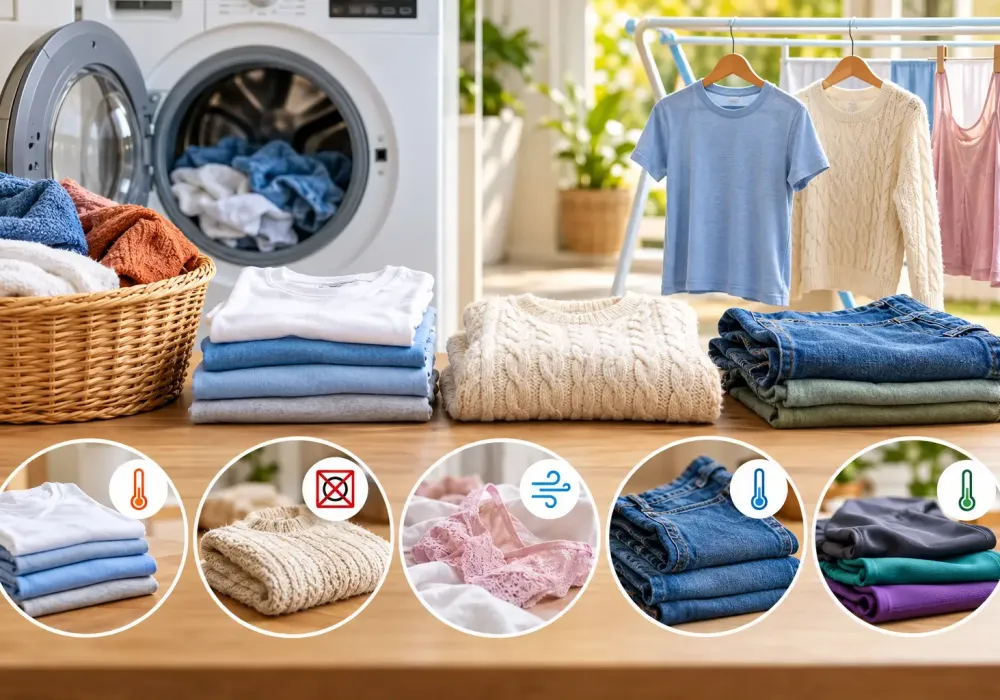
You can reduce the risk of shrinkage by choosing suitable washing and drying methods for each garment. Although no method can guarantee that every fabric will retain its original size, a few simple changes can make a difference.
Match the Drying Method to the Fabric
Different fabrics need different drying methods. Before starting a cycle, consider the material and check the manufacturer's instructions.
For example:
- Cotton T-shirts: Use the recommended temperature and avoid excessive heat.
- Wool jumpers: Follow the wool-care instructions and avoid unsuitable tumble-drying.
- Delicate garments: Air-dry when the care label recommends it.
- Denim: Follow the label and avoid unnecessary high-heat drying.
- Synthetic fabrics: Use the recommended temperature to avoid heat damage.
Choosing the right method helps you care for your clothes without exposing them to unnecessary heat.
Know When to Use Low Heat or Air-Drying
Low heat can help reduce the risk of shrinkage for garments that are suitable for tumble-drying. Air-drying is another useful option when the care label recommends avoiding heat.
However, do not assume that every garment can be hung up to dry without consequences. Some fabrics need a flat drying surface to maintain their shape, particularly wool and knitted garments.
Remove Clothes Before They Become Overdried
Overdrying can expose garments to unnecessary heat and tumbling. Check your laundry near the end of the cycle and remove items once they have reached the appropriate level of dryness.
If you plan to air-dry clothes afterwards, follow the care label and avoid leaving damp garments bunched together, as this can encourage unpleasant odours.
Sort Garments by Their Care Requirements
Sorting clothes by colour is useful, but sorting them by fabric and care requirements can also help prevent damage.
Before washing, separate items that need different treatment. Keep delicate garments away from heavy items such as towels and denim when their care instructions call for a gentler cycle.
Can You Make Clothes Smaller in the Dryer Intentionally?
Yes, some clothes can shrink when exposed to heat and moisture, but the results are difficult to predict. If a garment feels too loose, deliberately shrinking it may seem like an easy solution. However, the process can also change its shape, texture or overall fit.
Why Some Fabrics Shrink More Easily Than Others
Cotton and some other natural fibres can shrink under unsuitable washing and drying conditions. Wool can also shrink and felt when exposed to the wrong combination of heat, moisture and movement.
Synthetic fabrics such as polyester often resist ordinary shrinkage better, although excessive heat can still damage them.
What to Consider Before Trying to Shrink a Garment
Before attempting to shrink clothes in the dryer, consider these points:
- Check the fabric composition and care label.
- Understand that shrinkage may be uneven or permanent.
- Avoid experimenting with expensive or delicate garments.
- Remember that excessive heat can damage fabric as well as change its size.
If you want to adjust the fit of a favourite garment, professional alterations may offer a more controlled option than deliberately shrinking it.
What Should You Do If Your Favourite Clothes Have Shrunk?
Finding that your favourite clothes have become smaller after washing or drying can be frustrating. Whether you can restore them depends on the fabric, the amount of shrinkage and the condition of the fibres.
Here are a few things you can try:
- For shrunken cotton clothes: If the garment has shrunk slightly, gently reshape and stretch it while damp. Avoid pulling too hard, as this can distort the seams and fit.
- For a shrunken wool jumper: Handle it carefully and follow its care instructions. Gentle reshaping may help with minor changes, but severe felting can be permanent.
- Avoid using more heat: Putting shrunken clothes through another hot wash or dryer cycle may cause further damage.
- Check the care label: Before trying to restore a garment, make sure your chosen method is suitable for its fabric.
- Seek professional advice: If an expensive, delicate or favourite garment has shrunk significantly, consult a garment care specialist. They can assess the fabric and advise whether restoration may be possible.
Remember, not every shrunken garment can return to its original size. Taking the right steps early can help avoid further damage and protect your clothes.
When Is Professional Garment Care a Better Choice?

Some clothes need extra care, especially delicate fabrics, wool jumpers and garments with specific cleaning instructions. Using the wrong washing or drying method can affect their size, shape and appearance. If you are unsure how to clean a particular item, professional garment care can help you choose a suitable cleaning method and reduce the risk of damage.
BandBox Laundry in Manchester offers professional garment care services, including WetCare, dry cleaning, ironing, clothing alterations, and laundry collection and delivery. These services can help you care for different types of clothing according to their needs.
Choosing professional laundry services can be useful when:
- You have delicate garments: Some fabrics need special attention to help maintain their original shape and texture.
- You want to reduce shrinkage risk: The appropriate cleaning method can help minimise the risk of damage caused by unsuitable washing and drying.
- You have clothes with specific care requirements: Professional advice can help you understand how to care for items that should not go through a regular laundry cycle.
- You need convenient laundry services: BandBox Laundry offers free collection and delivery within 48 hours, with same-day service available.
Instead of guessing which washing or drying setting to use, you can ask BandBox Laundry for advice on caring for your garments. Visit BandBox Laundry to explore the available services and arrange your laundry collection in Manchester.
Common Questions About Dryer-Related Shrinkage
Will Clothes Shrink Every Time They Go in the Dryer?
No, clothes do not shrink every time you put them in the dryer. The risk depends on the fabric, the drying temperature, the cycle and previous care. Following the garment's care label and avoiding excessive heat can help reduce shrinkage.
Is It Possible for Clothes to Shrink Without Heat?
Yes, some fabrics can shrink without dryer heat. Water, agitation and friction during washing can change the size of certain garments. Wool, in particular, can felt when exposed to unsuitable washing conditions, even without high-temperature drying.
Which Is Riskier for Clothes, Washing or Tumble-Drying?
Both can contribute to shrinkage, but tumble-drying at high temperatures can increase the risk for many heat-sensitive fabrics. Washing can also cause shrinkage through water, agitation and fabric relaxation. The safest method depends on the garment's material and care instructions.
Can Professional Laundry Services Help Protect Clothing?
Professional laundry services can help reduce the risk of shrinkage by selecting appropriate cleaning methods and handling garments according to their care requirements. However, no service can guarantee that every garment will remain unchanged or that existing shrinkage can be reversed.
Final Thoughts
Clothes can shrink in the dryer because of heat, moisture and repeated tumbling, but the risk varies between fabrics. Checking care labels, choosing suitable drying settings and avoiding excessive heat can help you protect your favourite garments.
When you are unsure how to care for delicate or difficult-to-clean clothing, professional garment care from BandBox Laundry in Manchester can help you make a more informed choice.
Disclaimer:
The information in this article is provided for general information purposes only. Cleaning results may vary depending on the garment, fabric, stain, and cleaning method used. Always follow the garment's care label and seek professional cleaning for delicate or valuable items. BandBox Laundry accepts no liability for any loss or damage resulting from the use of the information provided.